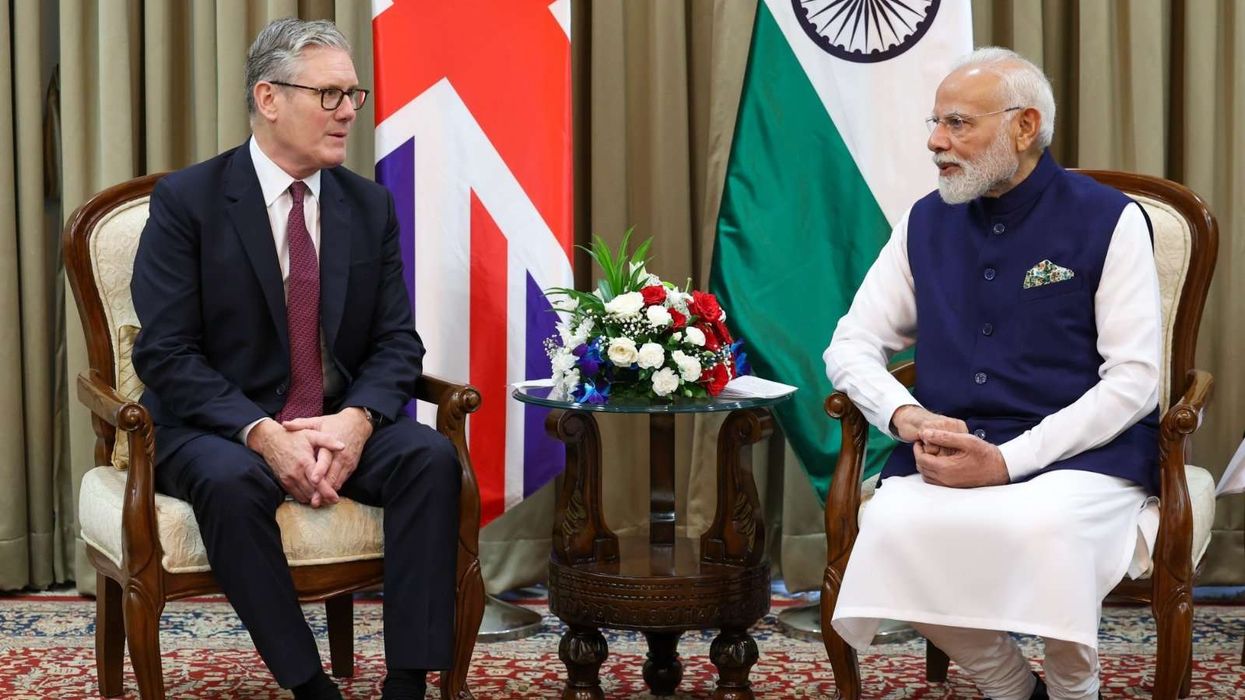

THE FREE trade deal between India and the UK, under negotiation for more than four years, was concluded in 2025 along with a ‘Vision 2035’ pact aimed at strengthening bilateral ties beyond trade and investment.
The Free Trade Agreement (FTA) talks remained a central focus through much of the year and were formally signed during Indian prime minister Narendra Modi’s visit to the UK in July.
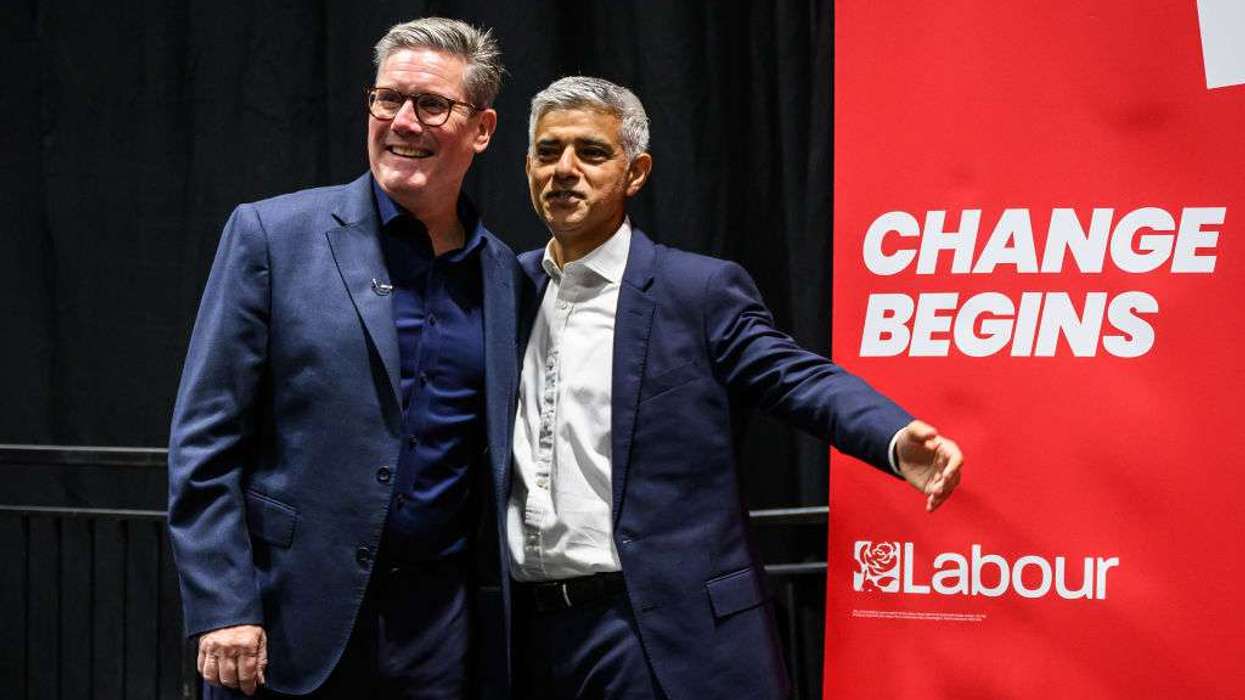
Prime minister Keir Starmer hosted Modi at his countryside residence, Chequers, near London, during the visit. “We have agreed a landmark deal with India – one of the fastest growing economies in the world,” Starmer said, while accepting Modi’s invitation to lead the “biggest British trade delegation to India ever” in October.
According to analysis by the UK Department for Business and Trade (DBT), the Comprehensive Economic and Trade Agreement (CETA) is expected to increase bilateral trade by more than 25 billion pounds from the current 44.1 billion pounds once it comes into force, following ratification by the UK Parliament, expected in the first half of 2026. “India is a growing force on the world stage, on track to have the third largest economy by 2028,” Starmer told the Commons after his visit to Mumbai.
Alongside the trade pact, both sides highlighted the 10-year ‘India-UK Vision 2035’ roadmap, which outlines strategic goals for cooperation across sectors. Expansion of the UK’s higher education presence in India is expected to gather pace from the New Year, with at least nine British universities finalising overseas campuses.
The developments come amid tighter UK immigration policies. Home Office data showed about 45,000 Indians on study visas and 22,000 professionals on work-related visas left the UK, contributing to a fall in net migration. Tougher rules doubling the wait for permanent residency to 10 years are expected to remain a focus in 2026.
The year also saw tax changes announced by chancellor Rachel Reeves, including the abolition of non-dom status. Against this backdrop, reports emerged of wealthy individuals relocating abroad, including Rajasthan-born Lakshmi N Mittal, founder of ArcelorMittal.
Several prominent UK-based Indian-origin figures died during the year, including hotelier Joginder Sanger, Hinduja Group co-chairman GP Hinduja, Caparo Group founder Lord Swraj Paul, and economist Lord Meghnad Desai. Tributes highlighted their contributions to business, public life and India-UK relations.
Security and terrorism-related issues also featured, including condolences expressed by deputy prime minister David Lammy for a terrorist attack in Delhi and references to the Pahalgam attack in Kashmir. UK officials also commented on the impact of these events on British Indians.
The year was further marked by the Air India crash involving a London Gatwick-bound flight from Ahmedabad on June 12, which killed all but one of the 242 passengers and crew. Vishwas Kumar Ramesh, the sole survivor, later returned to Leicester. Investigations into the crash are ongoing.
Extradition cases involving Vijay Mallya, Nirav Modi and Sanjay Bhandari continued in UK courts, while the UK government imposed sanctions on British Sikh businessman Gurpreet Singh Rehal under its Domestic Counter-Terrorism Regime.
(With inputs from PTI)