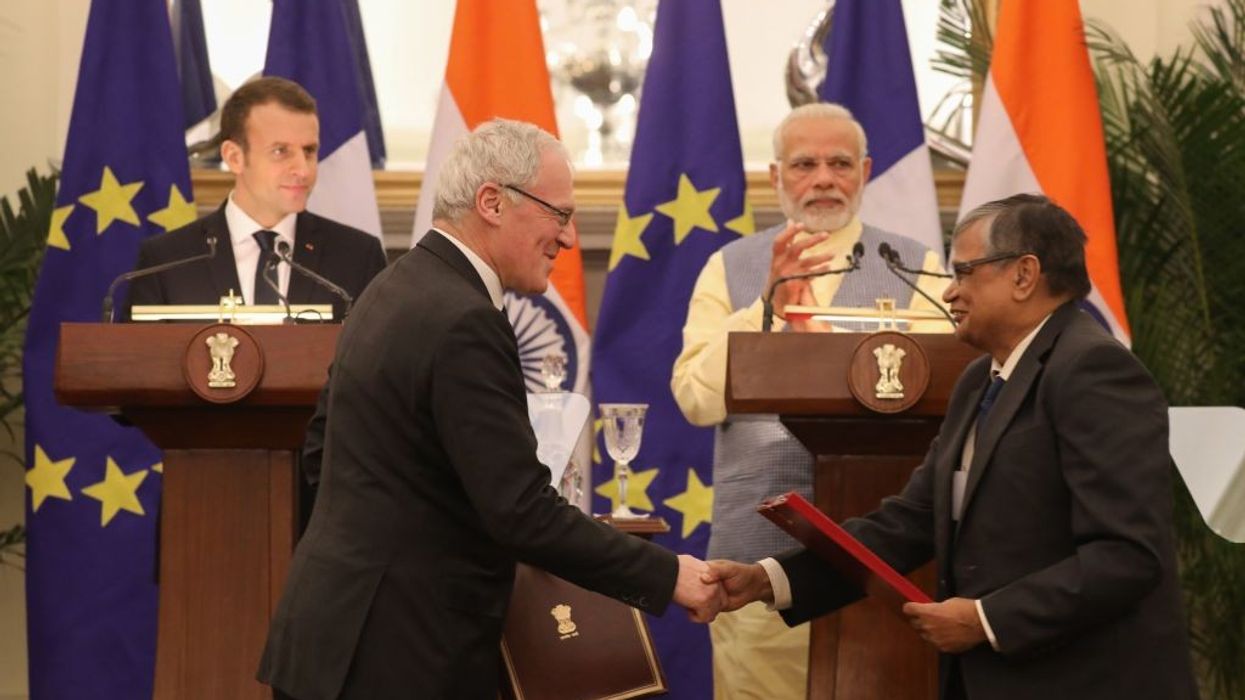

FRENCH energy group EDF took Friday (23) a key step towards helping to build the world's biggest nuclear power plant in India, a project blocked for years by nuclear events and local opposition.
The company said it had filed a binding offer to supply engineering studies and equipment to build six, third-generation EPR reactors in Jaitapur, western India.
Once finished, the facility would provide 10 gigawatts (GW) of electricity, roughly enough for 70 million households.
Construction is expected to take 15 years, but the site should be able to start generating electricity before its completion.
Finalisation of the contract was expected "in the coming months", an EDF statement said.
EDF, which is in exclusive talks with Indian officials, would not build the power plant itself, but would provide the nuclear reactors in a deal that includes US partner GE Steam Power.
The state-owned PSU Nuclear Power Corporation of India controls the national nuclear energy sector, and the EDF offer was submitted to the country's nuclear operator NPCIL.
Although no financial details have been released, the contract is estimated to be worth in the tens of billions of euros.
It faced opposition however from local inhabitants since the idea was first floated around 20 years ago, and was delayed after the 2011 nuclear disaster in Fukushima, Japan.
The far-right Shiv Sena party, which is powerful in Maharashtra state where Jaitapur is located, campaigned against the plan, though it has become less vocal recently.
EDF estimates the project will create around 25,000 local jobs during the construction phase, and around 2,700 permanent jobs.
Earthquake risks and the potential impact on local fishing have been cited as key issues.
But Xavier Ursat, head of EDF's nuclear division, told AFP that the company estimates that the site's "geological conditions are excellent and fully comparable to what we find in a country such as France."
India already has several agreements for exchange of nuclear technologies and expertise with countries like US, France, Russia and Japan.
Russia –- India's traditional ally -– supplies nuclear fuel and has built reactors in the country, for example.
At present, there are 22 functioning nuclear reactors in India, most of them pressurised heavy water reactors, providing about three per cent of the country's power.





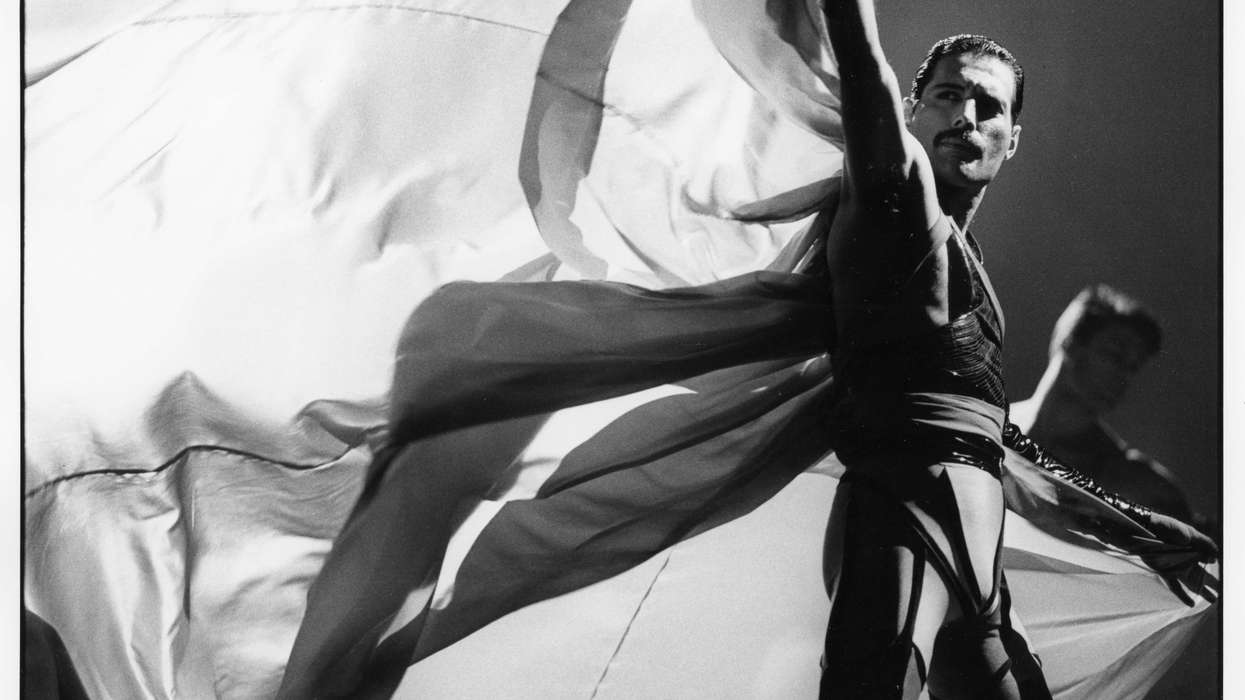
 Freddie Mercury in the Made in Heaven music videoSimon Fowler © Mercury Songs Ltd
 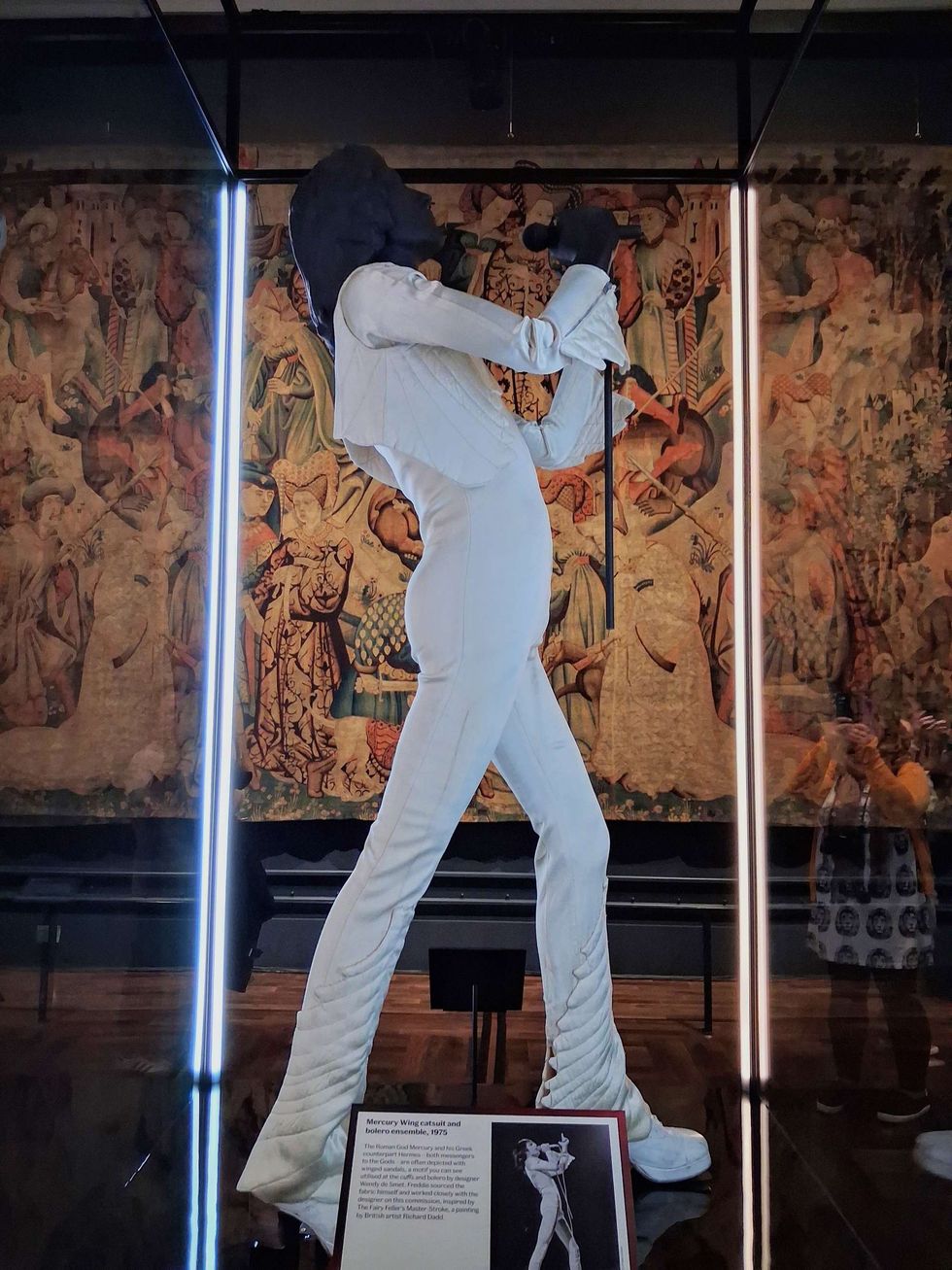 Mercury Wing Catsuit and bolero ensemble (1975)Amit Roy
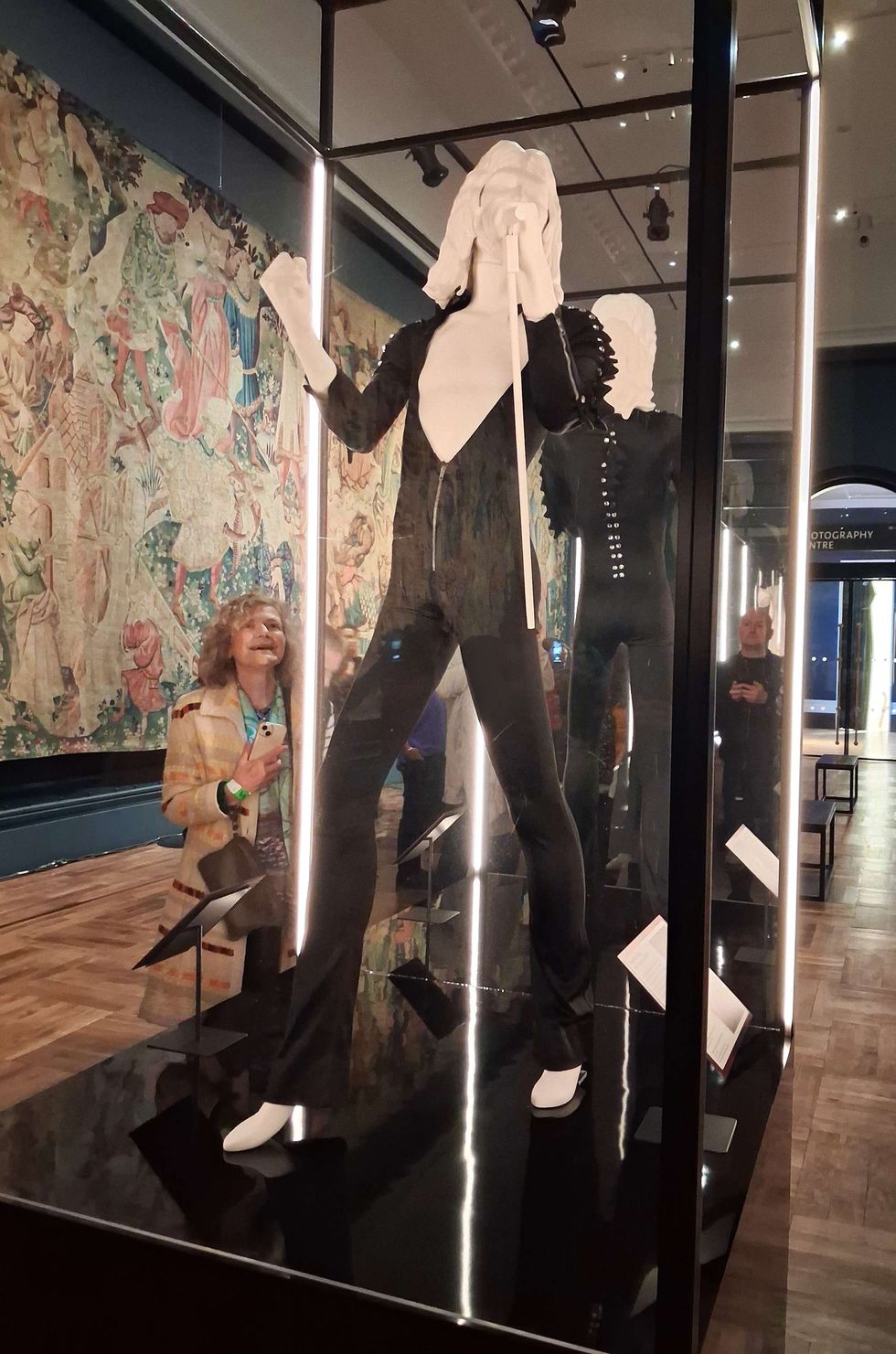 Designer Wendy de Smet with the spine suit or the Black Queen suit from 1975 Amit Roy
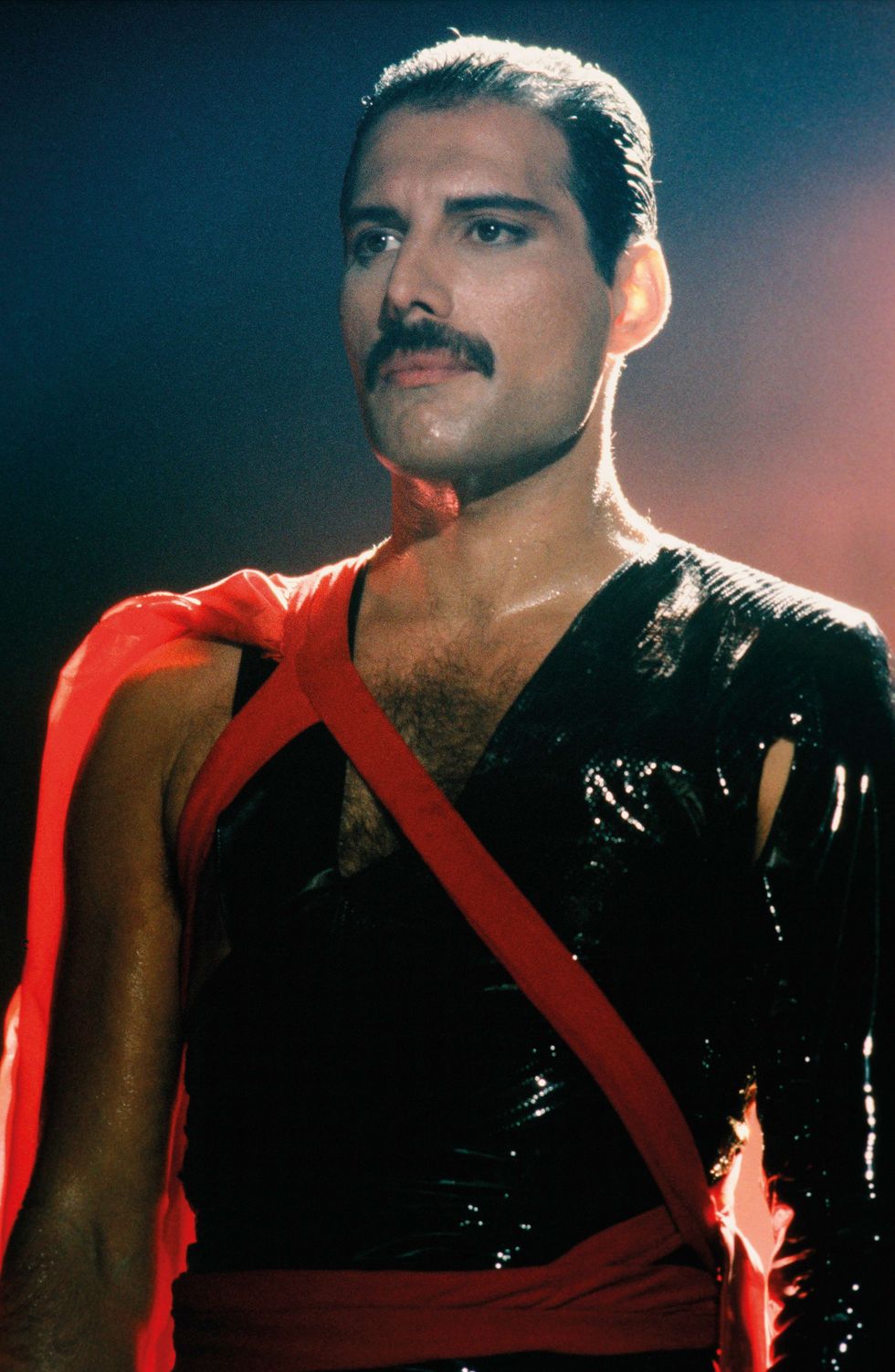
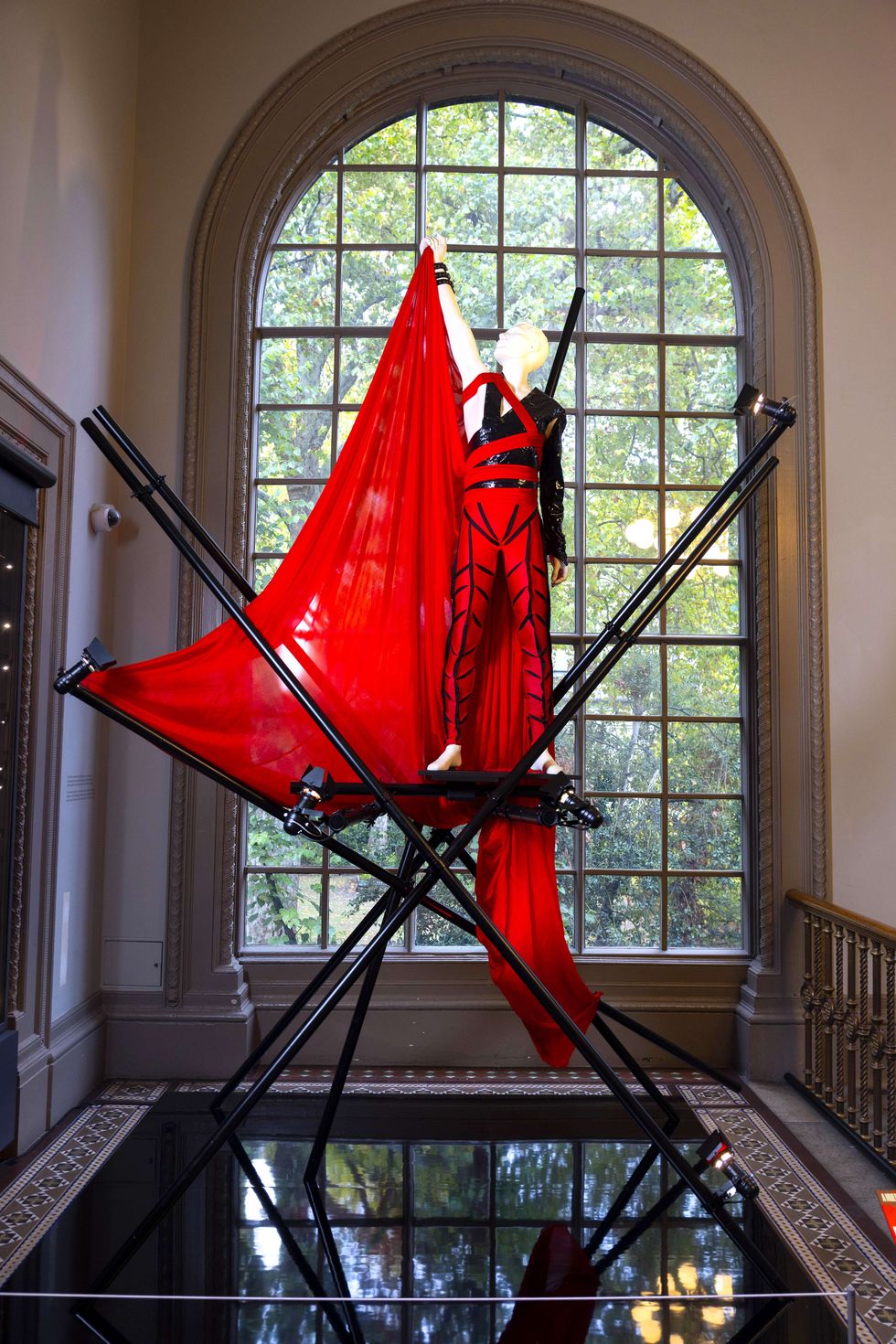 Made in Heaven music video costume (1985) David Parry/V&A
 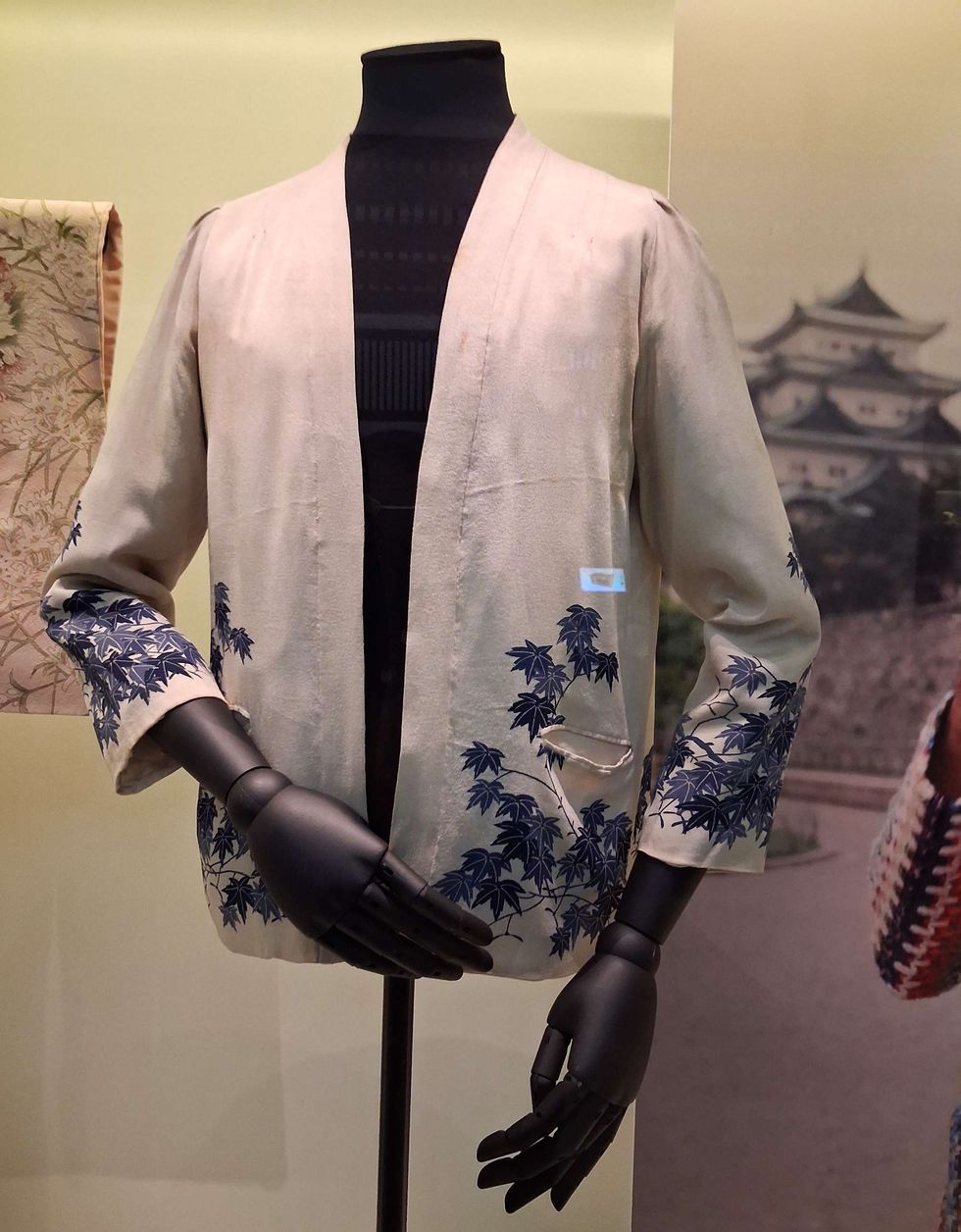 Japanese jacket (early 1970s)Amit Roy
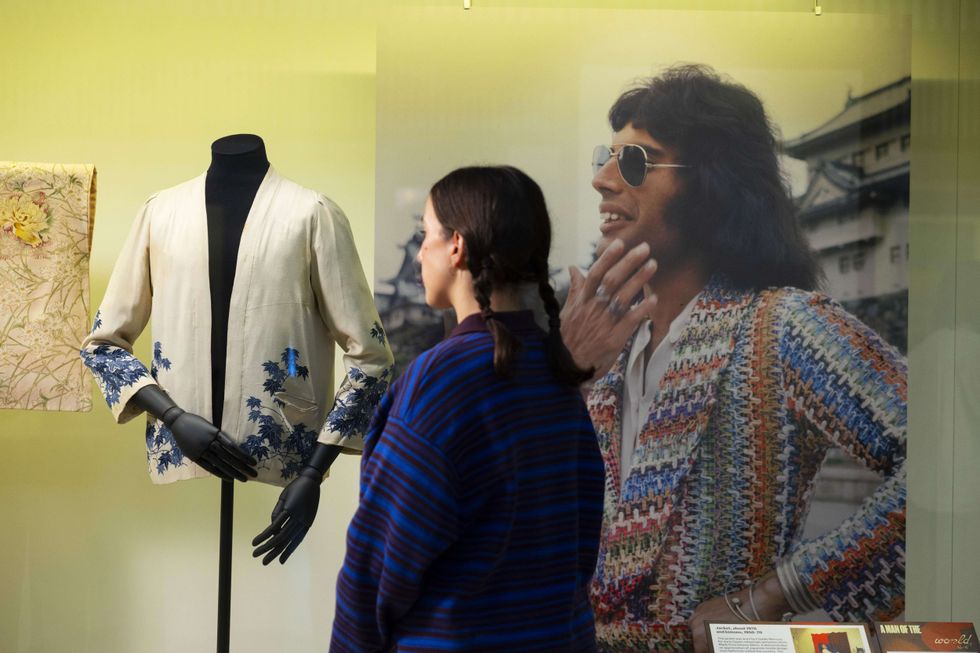 Japanese jacket (early 1970s) and kimono (1950-70) David Parry/ V&A
 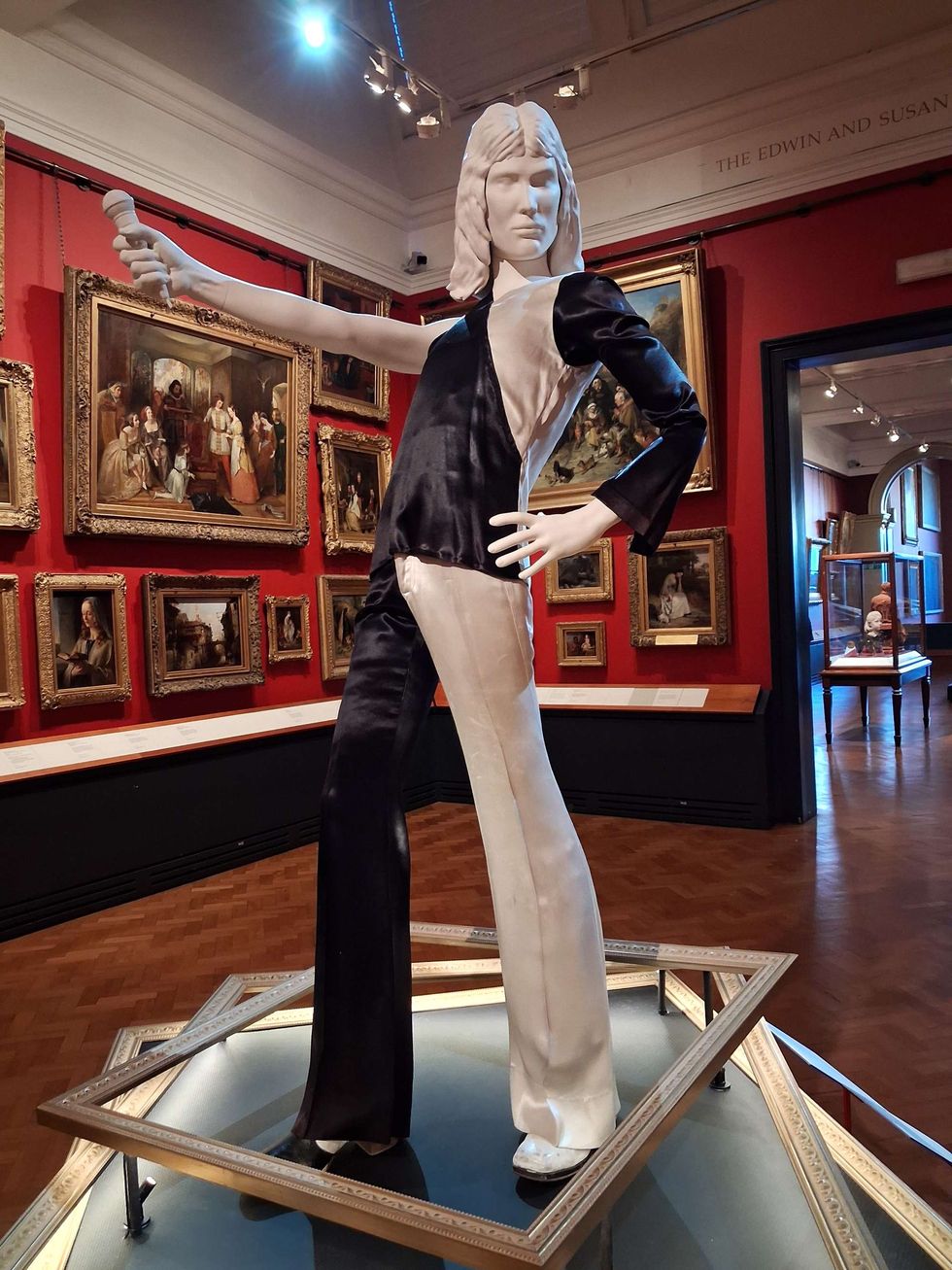 Ensemble worn for Imperial College gig in 1973Amit Roy
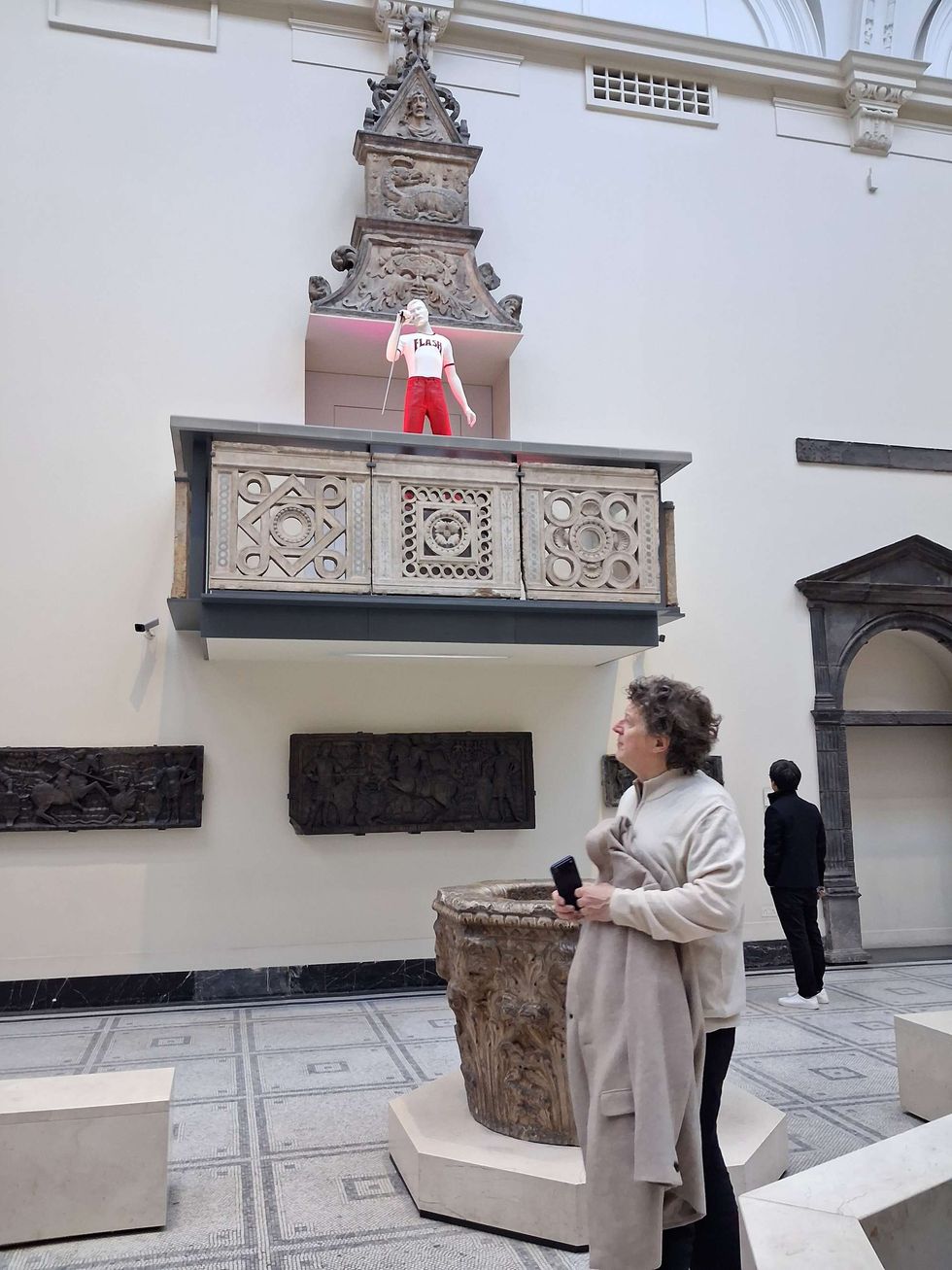 Flash ensemble and half mic (Flash Gordon 1980)Amit Roy
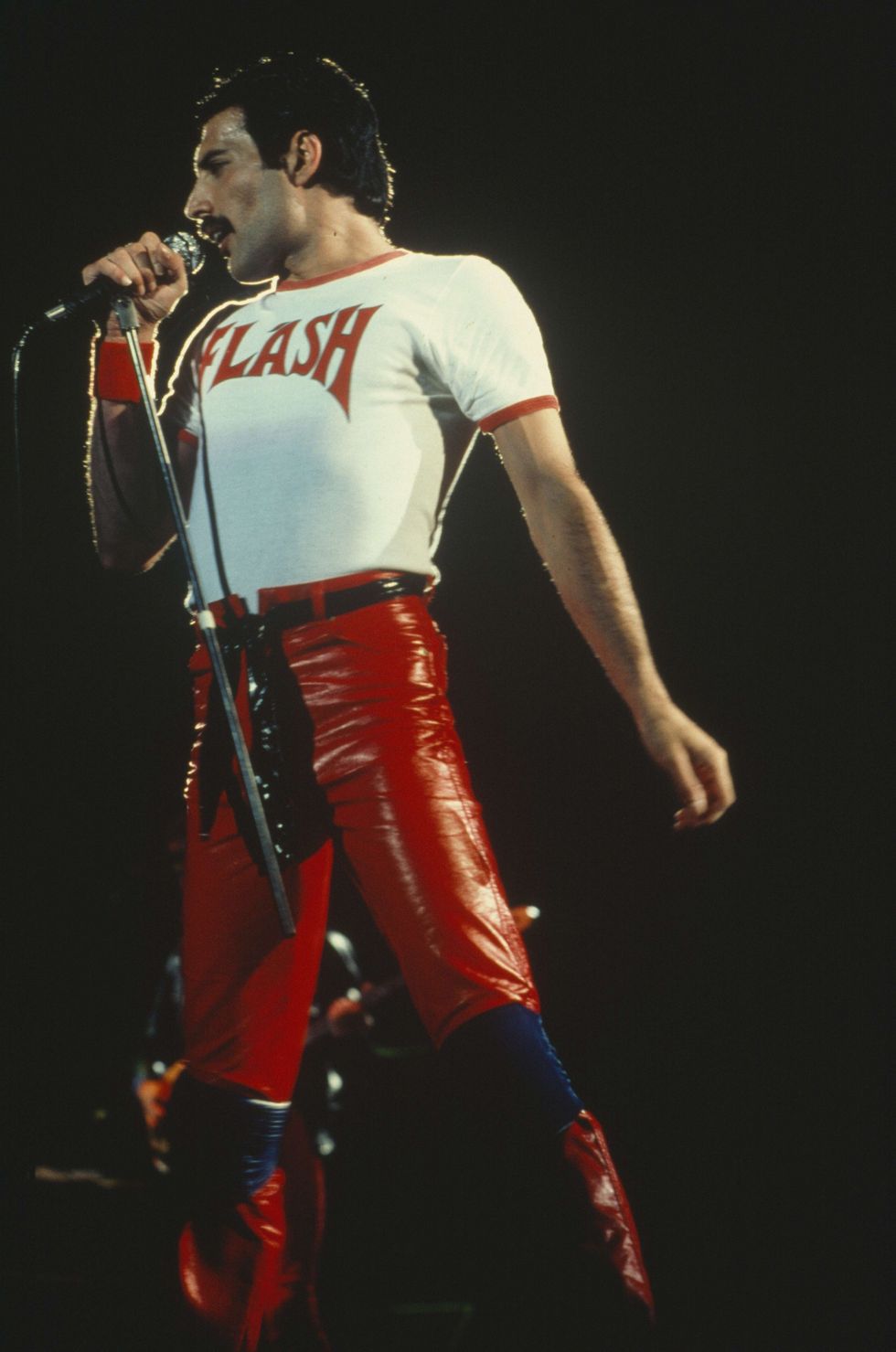 Freddie Mercury performs wearing a 'Flash' t-shirt at Sports Arena in San Diego, California, United States, on 5th July 1980David TanShinko Music/Getty Images
 Cloal and crown ensembleAmit Roy
 Cloak and crown ensemble (1986)Amit Roy
 Cloak and crown ensemble (1986)Amit Roy
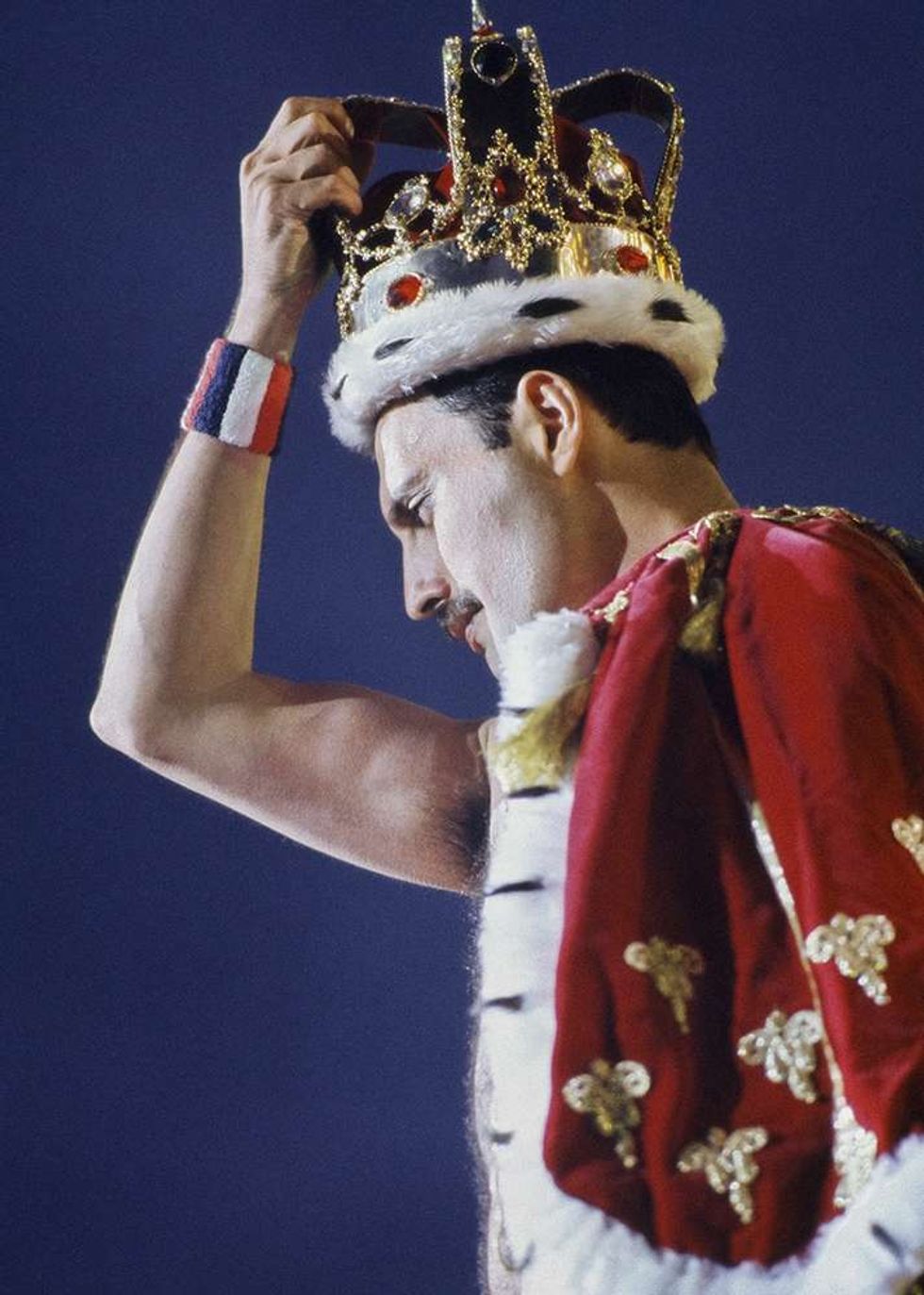 Freddie Mercury, Magic Tour (1986) Denis O’Regan