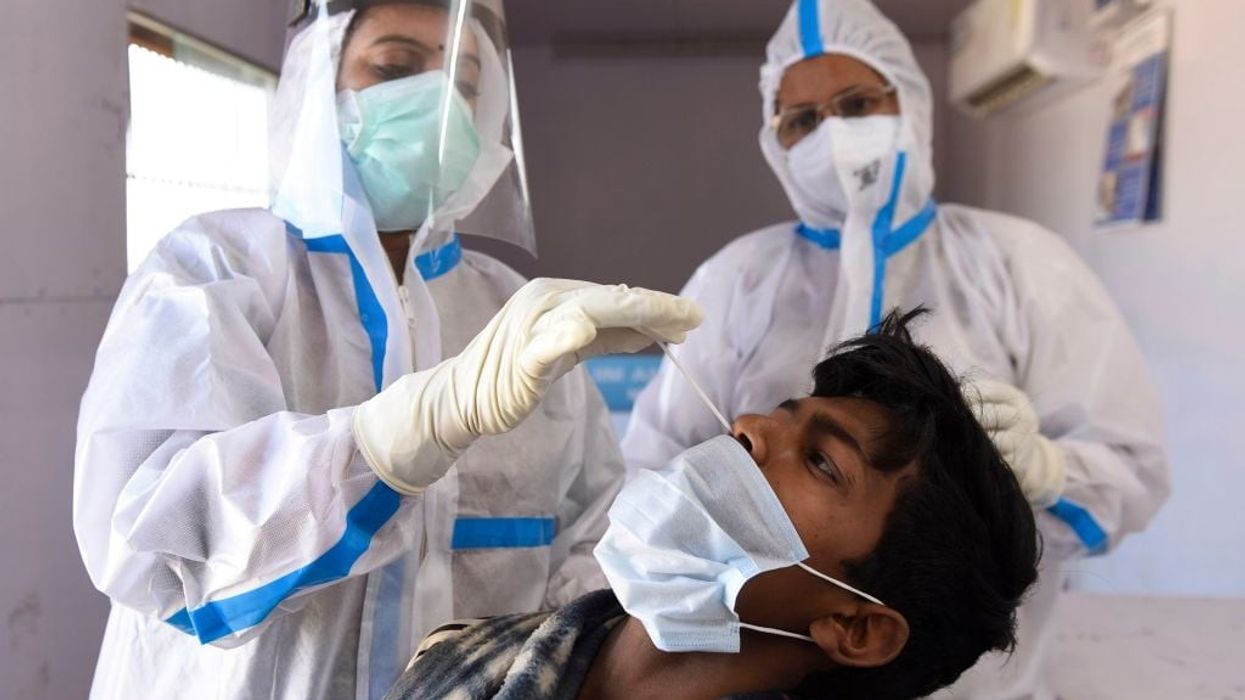

INDIA'S second wave of Covid-19 infections continued to surge as the country reported a record 115,736 new cases on Wednesday (7), which was a 13-fold increase in just over two months.
The increase in daily infections has put the Narendra Modi-led government under pressure to ramp up the vaccination drive.
The federal government has asked the states to impose curbs to restrict the spread but not looking at national lockdown as an option.
The number of deaths recorded was 630 - the most in four days, according to the data from the health ministry.
India with 12.8 million cases is the third worst hit country after the United States and Brazil.
There is also a concern after the daily infections topped 100,000 twice this week. Moreover, daily caseloads in India have also crossed the peak of the epidemic's first wave in September.
Maharashtra has been the hardest hit in the second wave, with authorities swinging to action by imposing local curbs.
"The pandemic isn't over and there is no scope for complacency," health minister Harsh Vardhan said on Twitter, urging people to get "vaccinated on your turn and follow COVID-appropriate behaviour scrupulously!"
Despite the surge in infections, India has restricted its immunisation drive to front-line workers and people aged over 45 years, with few states on Wednesday (7) reporting vaccine shortage.
States such as Maharashtra and Odisha have reported shortage of supplies.
Odisha's chief health official, PK Mohapatra, wrote to the federal health ministry on Tuesday (6), warning the state only had enough vaccines for three days. It has not yet replied to Mohapatra's letter complaining of shortages.
Vaccine supplies in Mumbai, India's financial capital and one of its worst-hit cities, will be over in three days also and the next installment is scheduled to arrive only on April 15, its mayor Kishori Pednekar told reporters.
The federal health ministry has had said earlier that stocks are adequate in the country.
More than 74 million people in India have received at least one dose. 85 million doses, more than 90 per cent are the AstraZeneca shot, produced by Serum Institute of India. The rest has come from Indian company Bharat Biotech that has developed a vaccine with a government research body.
With the virus spreading fast, India now finds itself in a far harder race to increase immunity among its population of 1.35 billion people.
Due to the rise of its domestic needs, India has now delayed exports of large quantities of vaccines, though 64.5 million doses have been shipped so far.
"We are supposed to be the pharmacy of the world, what kind of pharmacy is this that cannot provide vaccines to even a small portion of its people," said a government official who declined to be named.
"How long can you justify this situation to your people."





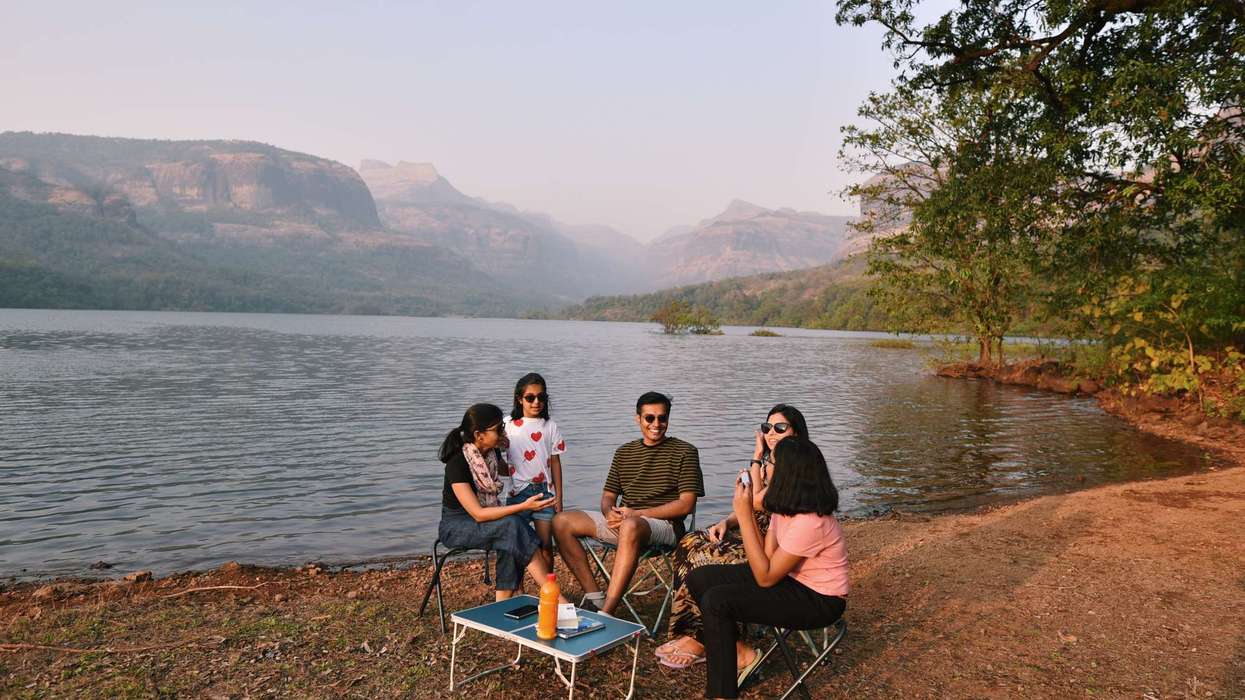 Digital detox holidays are on the riseiStock
 People are booking hyper-personalised holidaysiStock
 Victoria Street in Edinburgh is popular for it Harry Potter connectioniStock
 Road trip are making a comeback this year
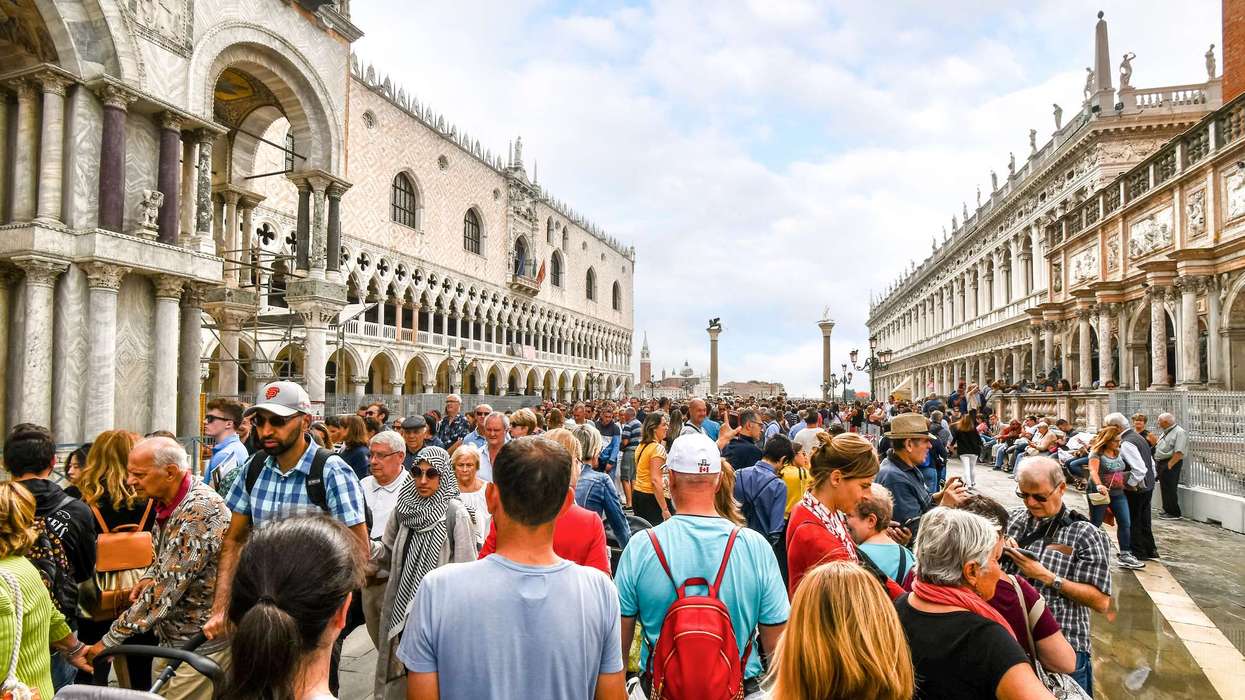 Overtourism has turned people awayiStock