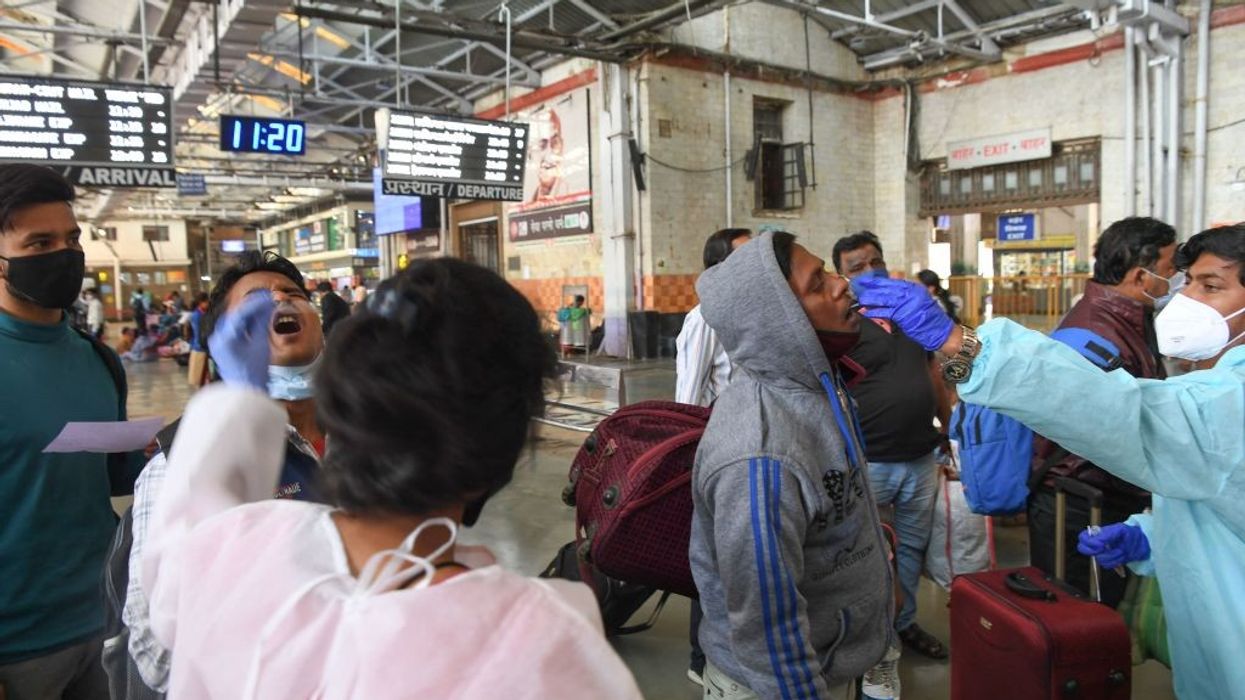

INDIAN authorities started to impose stringent rules on Thursday (30) to prevent mass gatherings at parties and public venues ahead of new year celebrations as the nation sees a spike in Covid-19 infections.
Night curfews have been imposed in all major cities and restaurants ordered to limit customers, officials said.
However, state authorities were finding it difficult to limit crowding in markets, religious sites and holiday destinations as they were allowed to remain open, the officials said.
The country reported 13,154 new Covid-19 cases and 268 deaths in the last 24 hours, the federal health ministry said, with urban centres reporting a big jump. It was the highest number of daily infections since October.
Cases of infection by the Omicron variant rose to 961 across India.
Police in the financial capital Mumbai prohibited public gatherings of five or more residents until January 7 as it recorded a sharp jump in cases with 2,510 infections, the highest daily increase since May, local authorities said.
"It is being seen that social gatherings are going on in an unrestricted manner with people flouting all social distancing norms...we are trying our best to control the spread of the virus," said Rajesh Tope, the health minister of the western state of Maharashtra of which Mumbai is the capital.
Tope said the next 48 hours were critical for authorities to prevent an escalation of fresh Covid-19 cases.
Earlier this week, India accelerated vaccine distribution by approving Merck's Covid-19 pill and two more vaccines for emergency use.
Asia's third-largest economy has already said it will allow Covid-19 booster shots for some of its population.
The emergency approvals come at a time measures are being taken to ramp up oxygen supplies and hospital beds.
But an ongoing strike by thousands of junior doctors against the government has added pressure on the fragile health infrastructure.
Around 13,000 junior doctors across the country are continuing with the strike to protest against delayed postgraduate admissions, said Dr Manish, president of the Federation of Resident Doctors' Association India.
"We are continuing with the agitation," said Manish, who only uses one name. "If (Covid-19) cases are rising, then how is the government planning to deal with the situation without these doctors in the hospitals?"
(Reuters)





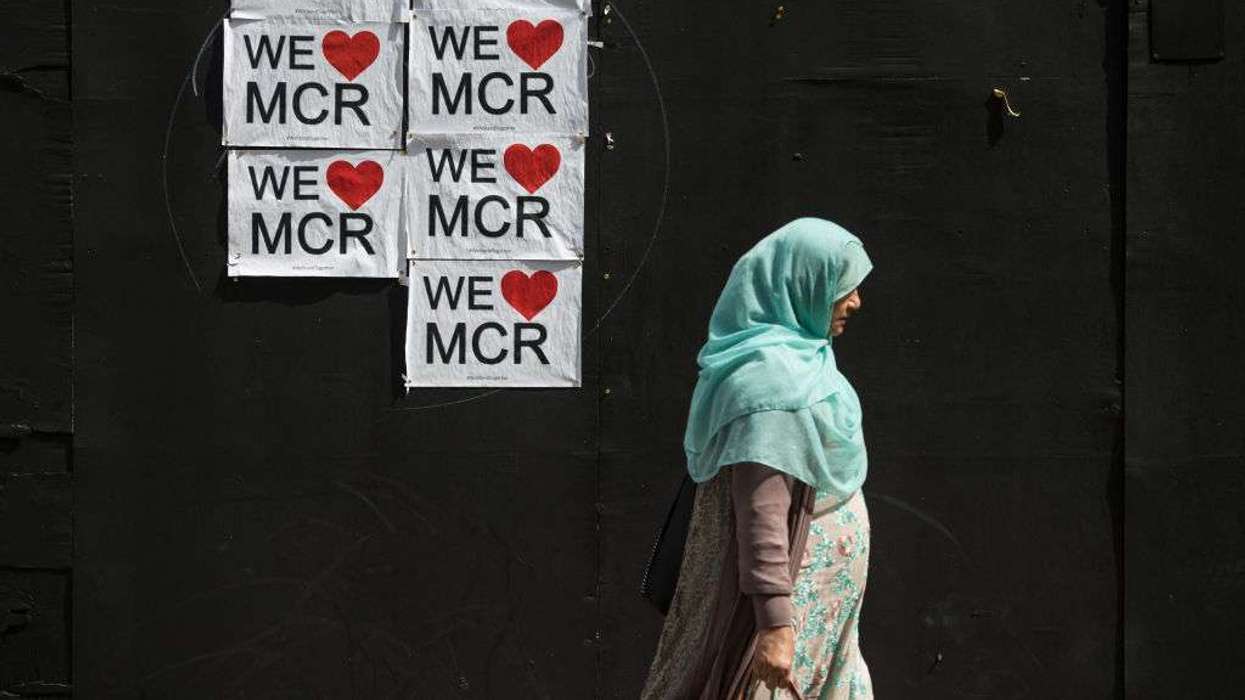 FILE PHOTO: A woman walks past a poster displaying a message of defiance to the terror attack of May 22 at the Manchester Arena, in Manchester, northwest England on May 31, 2017. (Photo by OLI SCARFF/AFP via Getty Images)