
INDIA'S drugs regulator has banned the use of an anti-cold drug combination in children aged below four and ordered that drugs should be labelled accordingly, in the wake of the deaths of at least 141 children globally linked to cough syrups.
The regulator said concerns raised about promotion of an unapproved anti-cold drug formulation in infants prompted a discussion and a resulting recommendation to not use the combination for that age group.
The order comes as India draws lessons from a spate of child deaths since 2019 that authorities linked to toxic cough syrups made in the country, including at least 141 deaths in Gambia, Uzbekistan and Cameroon since the middle of last year.
Within India, authorities said at least 12 children died and four others were left with severe disabilities in 2019 after consuming domestically-made cough syrups.
The deaths have cast a shadow over the quality of exports from India, often dubbed the "world's pharmacy" due to its supply of life-saving drugs at low prices.
The order by the regulator on the fixed-drug combination (FDC), issued on December 18 and made public on Wednesday (20), requires drugmakers to label their products with the warning that the "FDC should not be used in children below 4 years of age".
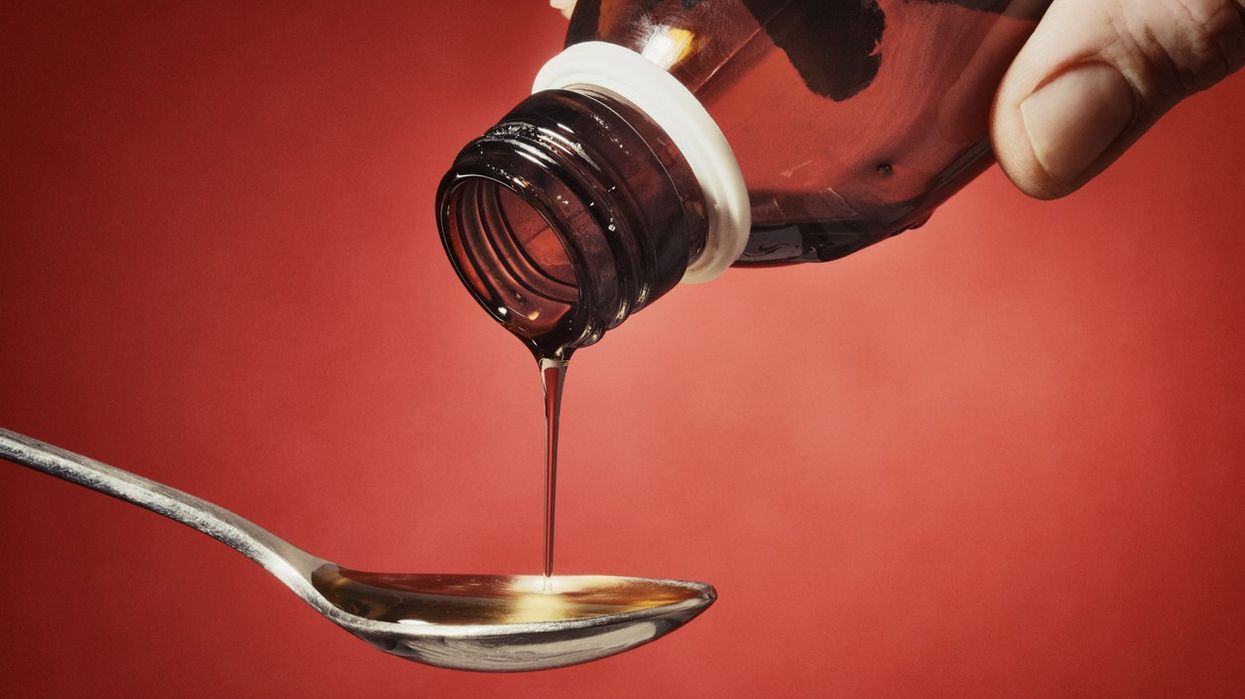
The fixed drug combination comprises chlorpheniramine maleate and phenylephrine - medication that is often used in syrups or tablets to treat common cold symptoms.
The World Health Organization does not recommend the use of over-the-counter cough syrups or medicines for the treatment of coughs and cold symptoms in children younger than five years of age.
India has introduced mandatory testing for cough syrup exports since June and stepped up scrutiny of drugmakers. Drugmakers whose cough syrups were linked to child deaths have denied any wrong doing.
(Reuters)
India bans anti-cold drug combination for children aged under four
The order comes as the country draws lessons from a spate of child deaths since 2019





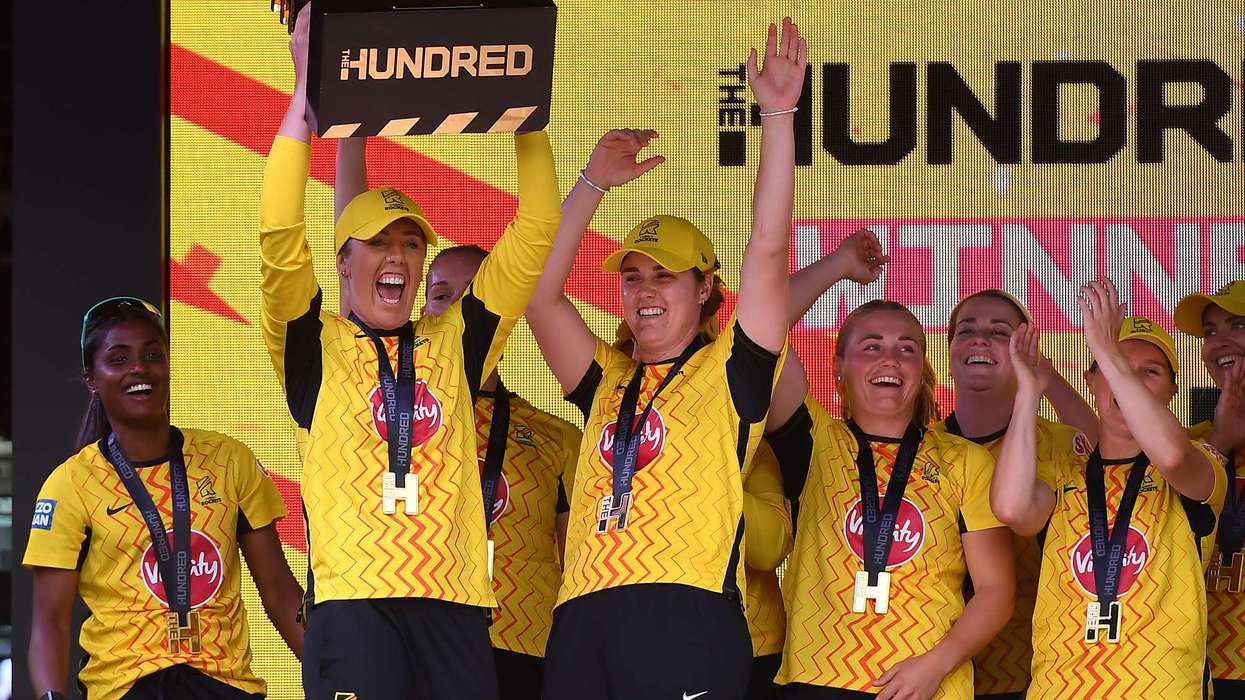
 Lift their trophies after their respective victories in The Hundred finals at Lord’s in London on August 16Philip Brown/Getty Images
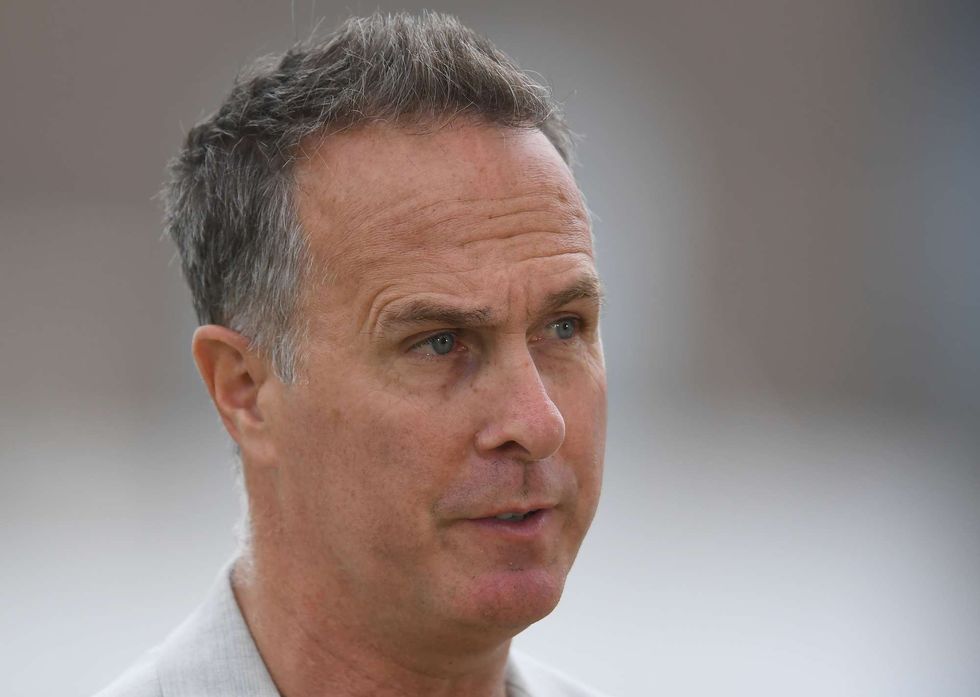 Michael VaughanPhilip Brown/Getty Images
 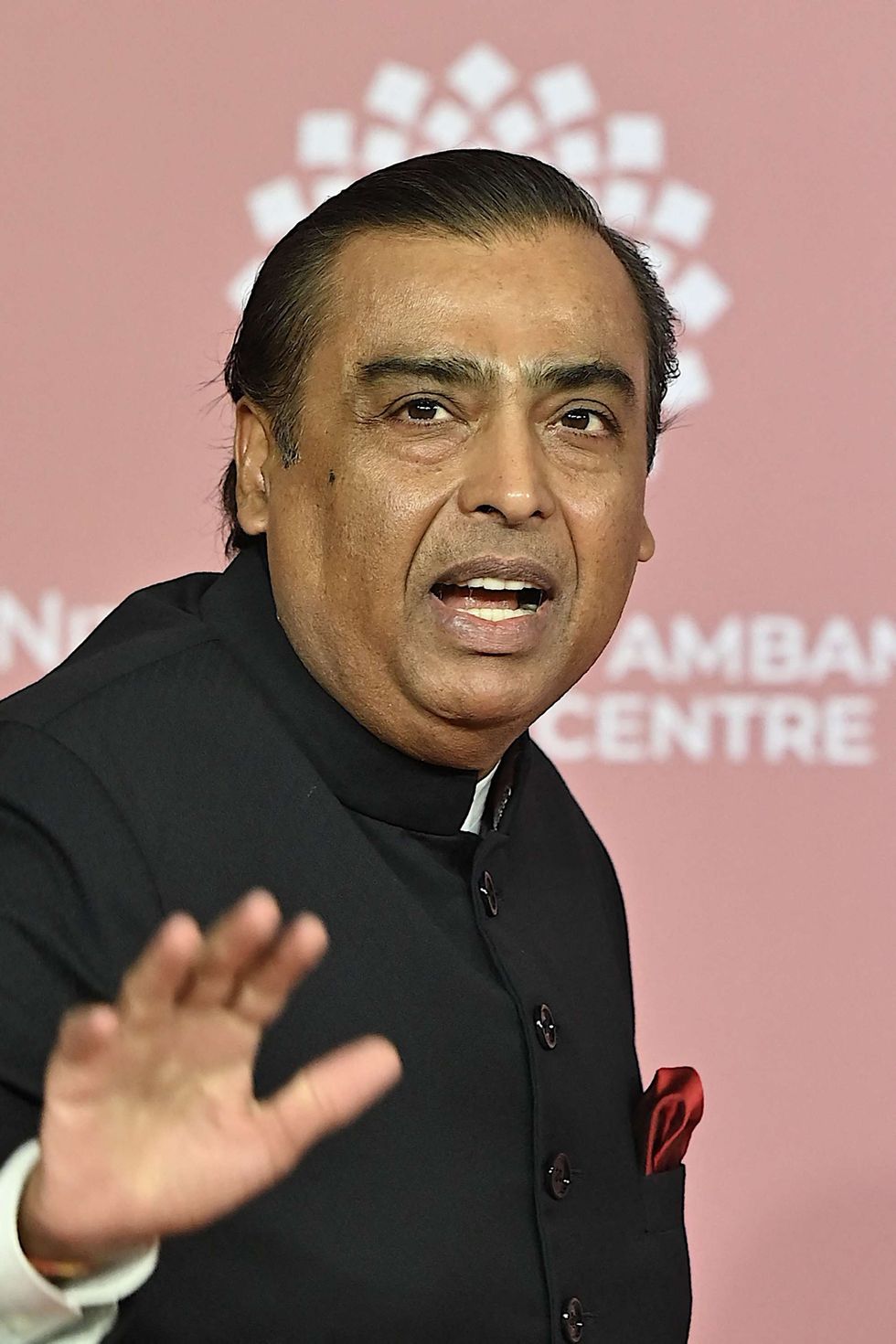 Mukesh AmbaniSujit Jaiswal/AFP via Getty Images
 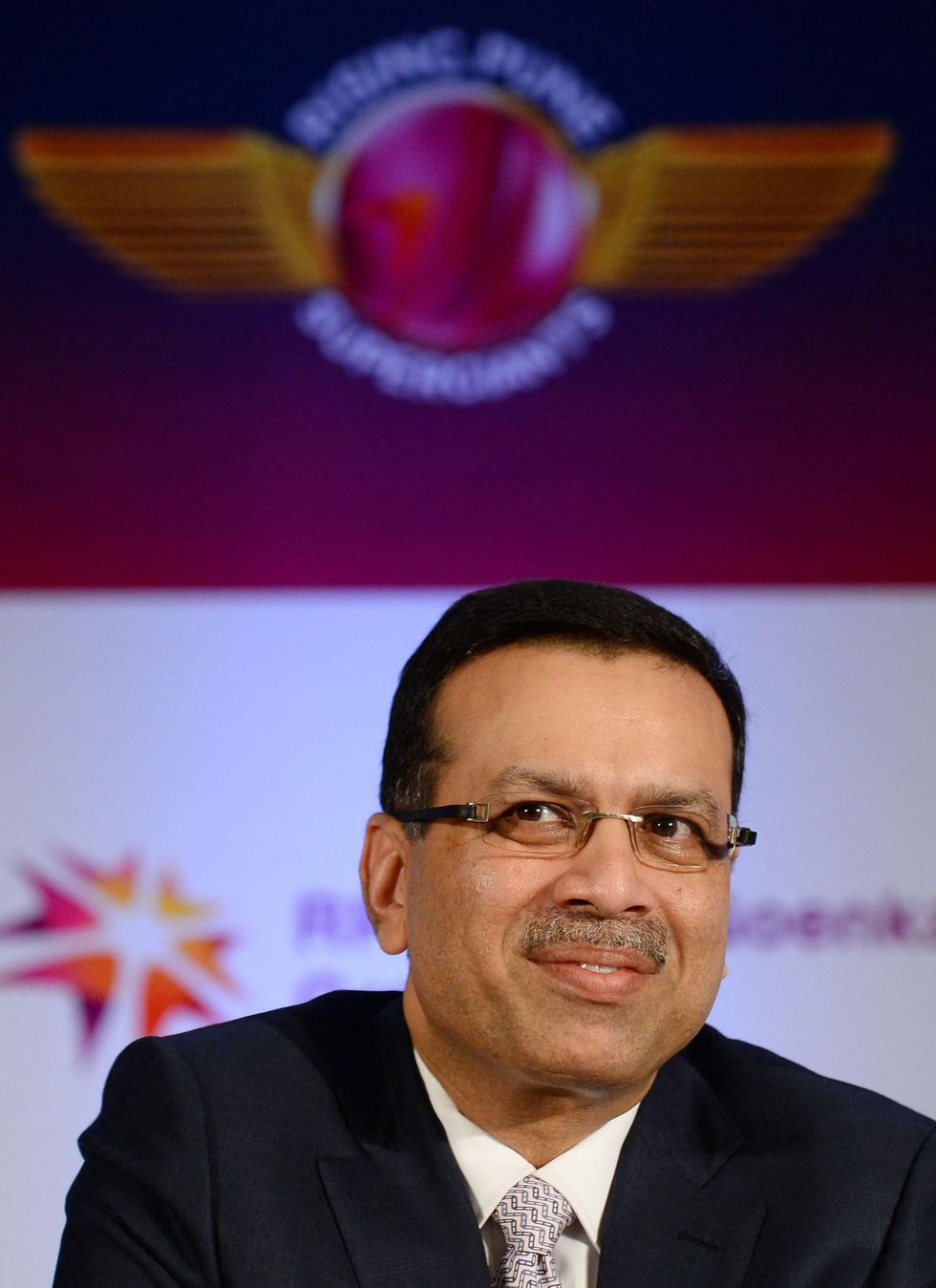 Sanjiv GoenkaSajjad Hussain/AFP via Getty Images
