MANY find it difficult to keep healthy and energised during the month of Ramadan. Eating at night rather than during the day can affect the metabolism and lead to weight gain. Fasting can lead to cravings, in particular for fatty and sugary foods that are high in calories. Here are some of my recommendations.
Eat meals with protein and fibre
The two main meals during Ramadan - sehri and iftar - are consumed before dawn and after dusk. It is important that the early morning pre-meal contains sufficient protein and fibre foods. Keep the meal wholesome and have moderate portions.
Food sources should be light and easy to digest, such as oats, toast, eggs, milk, yoghurt, cheese and nuts. Complex carbohydrates release energy slowly during the long hours of fasting, keeping you energised for longer. Good fibre sources are whole grains, vegetables and fruit. It is also important to have some fluid that contains vitamins such as smoothies or fresh juices for energy.
Avoid overeating
After a day of going without food it is common to overindulge at iftar. To avoid the temptation to reach for unhealthy calorie-rich foods, try having soup or a glass of freshly squeezed juice. This will help curb hunger pangs and temptation for those 'bad' foods containing sugar, fat and empty calories. Avoid deep-fried or oily foods and ensure each meal contains healthy portions of protein, vegetables, fruit, fibre, whole grains and dairy products.
Healthy options Instead of greasy deep-fried foods, try baked samosas, chapattis made without oil, baked or grilled meat and chicken. Include complex carbohydrates - oats, semolina, beans, lentils, basmati rice. Try alternative foods such as dates or almonds instead of the extremely calorie-rich pastries served during Ramadan. Almonds and a little rich dark chocolate (small portion) are a good alternative to rich desserts.
Keeping active To avoid dehydration, it is best to avoid strenuous exercise during fasting and postpone working out. The ideal time to work out is after iftar, when energy levels are higher. Be sure to leave yourself enough time after eating before you begin.
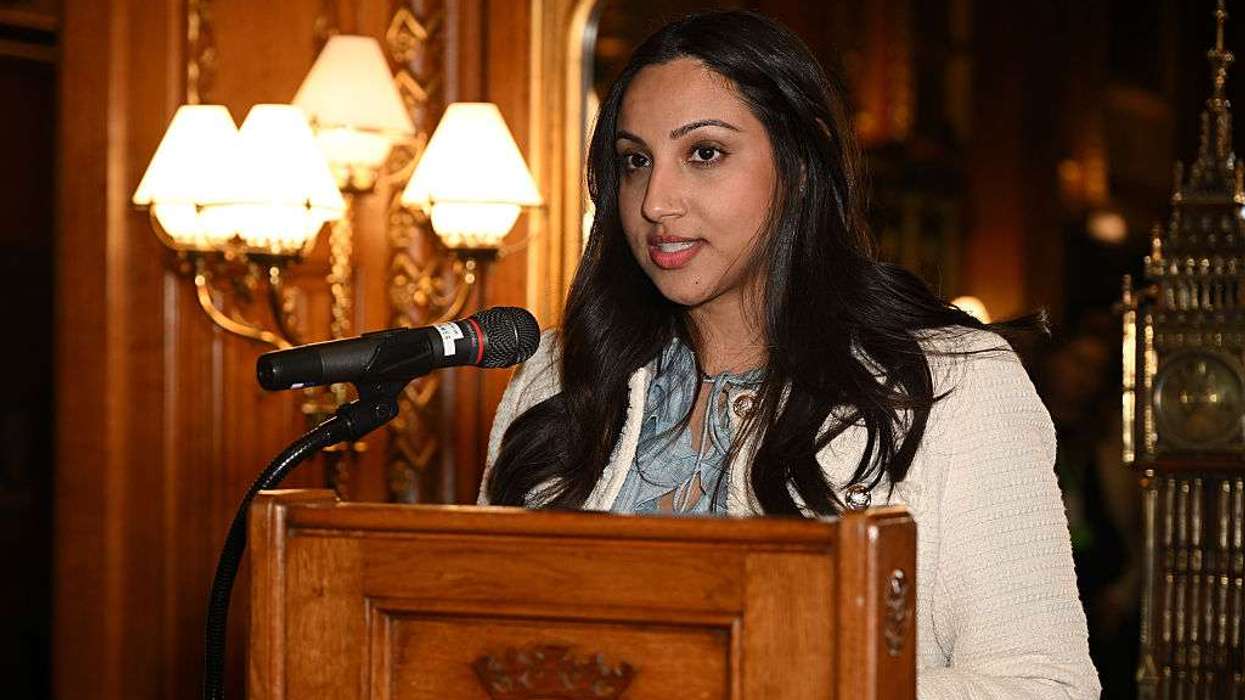
Health and fitness expert Dal Dhaliwal is the founder of Body Perfect Personal Training Studio. She is also a TV and radio and presenter.
@daldhaliwalPT
Facebook: Dal Dhaliwal