
Highlights
- Starmer to convene industry and military leaders over West Asia conflict impact
- Oil prices rise as shipping risks increase around Strait of Hormuz and Red Sea
- Houthis’ attacks raise fears of wider escalation and global trade disruption
- Markets fall amid inflation concerns linked to higher crude prices
PRIME MINISTER Keir Starmer will on Monday host senior government and military officials along with leaders from the energy, shipping, finance and insurance sectors to discuss the West Asia war, his office said.
The Downing Street meeting will focus on the impact of Iran’s effective closure of the Strait of Hormuz, through which about 20 per cent of global crude and gas passes, and which has pushed up oil prices and costs across sectors.
Representatives from Shell, BP and Centrica will attend, along with shipping firms Maersk and CMA CGM, and banking executives from HSBC and Goldman Sachs. Officials from Lloyd's of London will also be present.
“The roundtable will include an operational update from Commander Maritime Operations, who is responsible for directing and coordinating UK naval and Royal Marine operations globally,” Downing Street said.
ALSO READ: Houthis launch attacks on Israel as US deploys more forces to West Asia
“He will set out the maritime security picture in the Strait of Hormuz and the wider West Asia, which is having a direct effect on shipping and the freedom of navigation.”
The government said it wanted to “hear directly from industry leads” and “set out the situation in the region, as well as how it is engaging with partners and allies in the region to work on de-escalation”.
“They will discuss how the government and private sector can work together as the conflict in West Asia continues to have a significant impact on the British people back home,” it added.
“The prime minister will reiterate that the best way to reduce the impact of the war on the cost of living is de-escalation.”
Starmer will also launch Labour’s local elections campaign ahead of voting on May 7 in Scotland, Wales and parts of England. He is expected to defend his decision to keep Britain out of offensive operations in the US-Israel war on Iran.
“We will protect our forces, our people, our allies in the region,” he is set to say.
ALSO READ: Trump Delays Iran Strike as Global Oil Lifeline Faces Crisis
“But I made the decision that it is not in our national interest to commit British forces to a war, without a clear legal basis and a clear plan -- and I stand by that.”
The conflict entered its fifth week with signs of escalation after Yemen’s Houthi rebels said they had fired “a barrage of cruise missiles and drones” at sites in Israel.
The strikes raised concern about disruption in the Red Sea and the Bab al-Mandeb strait, which accounts for about 12 per cent of global trade, while Saudi Arabia rerouted oil exports to avoid the Strait of Hormuz.
Oil prices rose, with both main contracts up more than three per cent at one point. Brent moved close to $117 a barrel before easing. The increase added pressure on equities amid concerns over inflation and global economic impact.
Markets in Tokyo fell more than four per cent and Seoul more than three per cent before reducing losses. Hong Kong, Sydney, Mumbai, Bangkok, Wellington, Taipei, Jakarta and Manila also declined. London edged up, while Paris and Frankfurt were slightly lower.
The losses followed a drop on Wall Street after the United States and Israel struck Iranian nuclear sites.
ALSO READ: Britain to 'host summit on reopening Strait of Hormuz'
“The market is now reacting to higher crude pricing and towards the fallout in the economic consequences,” said Chris Weston of Pepperstone.
“Higher short-term inflation expectations, volatility in the interest rate markets, and growing concerns around supply shortages/inventory and the subsequent impact on the March/April economic data series and corporate earnings is now front and centre,” he added.
“The Houthi's ability to disrupt shipping through the Bab al-Mandeb strait, which accounts for roughly 12 per cent of global trade, is the new key risk.”
“Any meaningful disruption, married with a sharp rise in insurance costs, could drive another leg higher in crude and further pressure risk assets.”
US president Donald Trump told the Financial Times he wanted to “take the oil in Iran” and said the United States could take Kharg Island “very easily”.
“Maybe we take Kharg Island, maybe we don't. We have a lot of options,” he said. “It would also mean we had to be there for a while.”
On Sunday, he said the war had led to “regime change” in Iran.
“We're dealing with different people than anybody's dealt with before. It's a whole different group of people. So I would consider that regime change,” he said.
ALSO READ: Narendra Modi & Donald Trump talk Hormuz crisis
Iran’s parliament speaker Mohammad Bagher Ghalibaf said the United States was “secretly planning a ground attack”.
Pakistan said it was ready to broker and host “meaningful talks” between Washington and Tehran, with foreign ministers from Pakistan, Saudi Arabia, Egypt and Turkey meeting in Islamabad.
On the ground, Israel said it was striking military infrastructure in Tehran and intercepting missiles launched from Iran.
Indonesia said one of its peacekeepers was killed in Lebanon after “indirect artillery fire” near Adchit al Qusayr, with three others wounded.
Saudi Arabia said it intercepted five ballistic missiles aimed at its Eastern Province.
An Iranian strike on a power station in Kuwait killed one Indian worker and damaged a building. Kuwait’s defence ministry said 10 service members were injured in a separate attack on a military camp.
Iran reported power outages in Tehran after what it called “attacks on electricity industry facilities”. The International Atomic Energy Agency said a heavy water production plant in Khondab was no longer operational after an Israeli strike.
A university in Isfahan said it was hit by US-Israeli airstrikes for the second time since the war began.
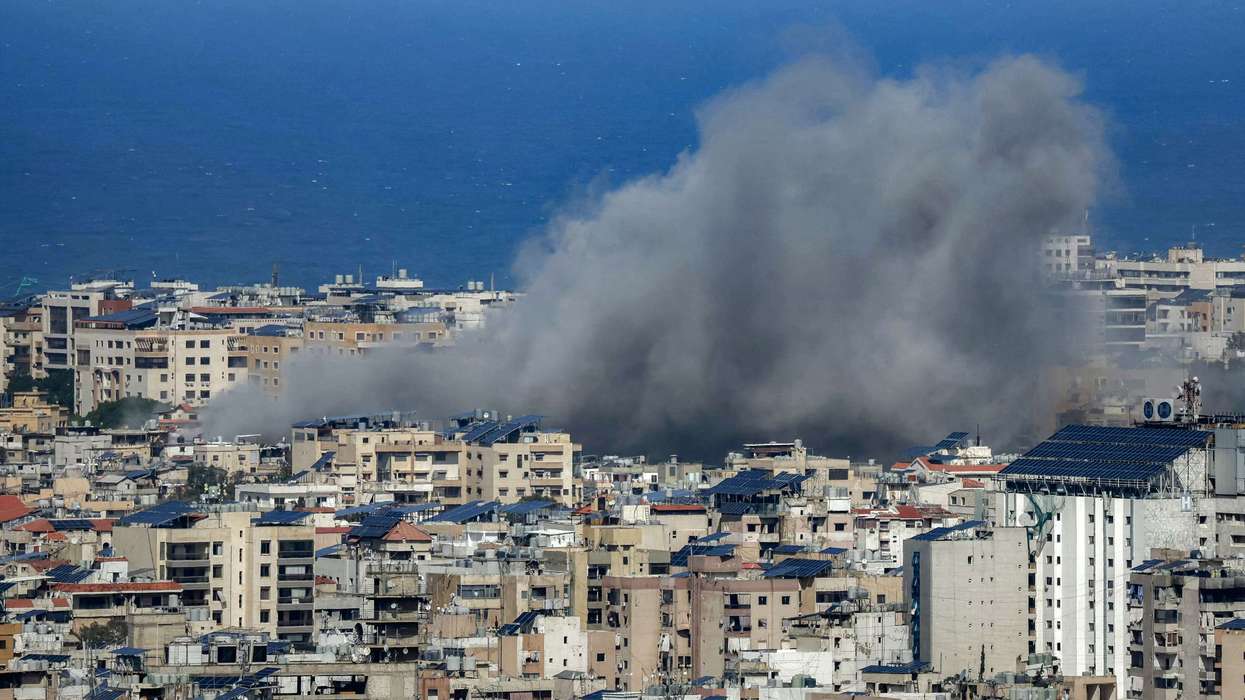
Lebanon’s health ministry said Israeli strikes had killed 1,238 people since March 2 in fighting with Hezbollah. Israel’s prime minister Benjamin Netanyahu said he had ordered the military to “further expand” a security zone in Lebanon.
Iran’s nationwide internet blackout has lasted 30 days.
Iran’s ambassador has refused to leave Lebanon after being declared persona non grata, with Lebanon accusing him of statements “interfering in Lebanon's internal politics”.
Israel’s parliament approved its 2026 budget, including about $10 billion in additional military spending, taking total defence spending to about $45 billion.
(With inputs from agencies)