
THE British government has been urged to overhaul its systems to ensure that the Windrush generation mistakes are not repeated.
Lessons Not Learned, the report published on Wednesday (18) by Freedom from Torture and seven other leading organisations, exposes the government's "historical and systemic failures of asylum decision-making."
The report examines 50 reports from 17 organisations to analyse the quality of Home Office refugee decision-making, and pointed out that procedures that led to the suffering of the Windrush generation are continuing to cause problems.
It also said the Home Office continues to carry out flawed credibility assessments that are hurting individuals.
An example of flawed reasoning by the Home Office is the case where a doctor documented a woman's torture scars and found them to be consistent with her claims. But the department rejected the expert medical evidence saying it was not reliable as the doctor had not witnessed the torture himself.
Another case is of a 13-year-old asylum seeker from Afghanistan who fled to the UK after his father was killed by the Taliban, with whom he was involved.
Rejecting the teen's case, a Home Official said: "It is considered to be inconsistent that you claim your father was associated with the Taliban when you did not like them."
The report also calls on home secretary Priti Patel to end the toxic narratives around immigration.
Steve Crawshaw, director of policy and advocacy at Freedom from Torture, said: “The impact of poor decision making can be devastating – for many it’s a matter of life and death. There are early signs of efforts to change the culture within the Home Office but root and branch reform is urgently needed. Windrush exposed the terrible human cost when the Home Office gets it wrong. The government has a chance to make this right.”
Terming Windrush the result of institutionalised racism, a culture of disbelief and the migrant scapegoating myths peddled by politicians, Satbir Singh, chief executive of the Joint Council for the Welfare of Immigrants, said: "This searing report lays bare the suffering and injustice inflicted on the most vulnerable asylum seekers. Our shared future can and should be one where the UK takes a constructive and global lead so that people who flee in fear for their lives are protected, and so that everyone who moves here is treated with humanity. Priti Patel must read this report and implement its lessons."
Referring to the report, a Home Office spokesperson said the government has made significant changes to its asylum system.
“The UK has a proud record of providing protection to those fleeing persecution. In the 12 months to June we gave protection to over 18,500 people, the highest number since 2003,” the spokesperson was quoted as saying.
“This report brings together information from reports that are up to 15 years old. The Home Office has made significant changes over this period and continues to work with Freedom from Torture and other organisations to improve the asylum system,” the spokesperson added.





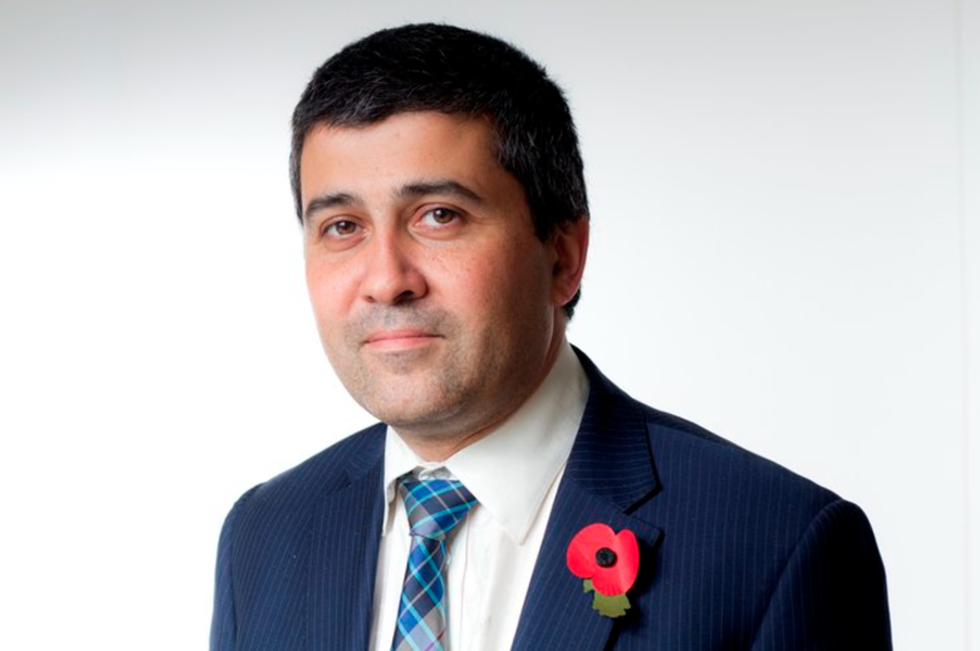 Sunder Katwala
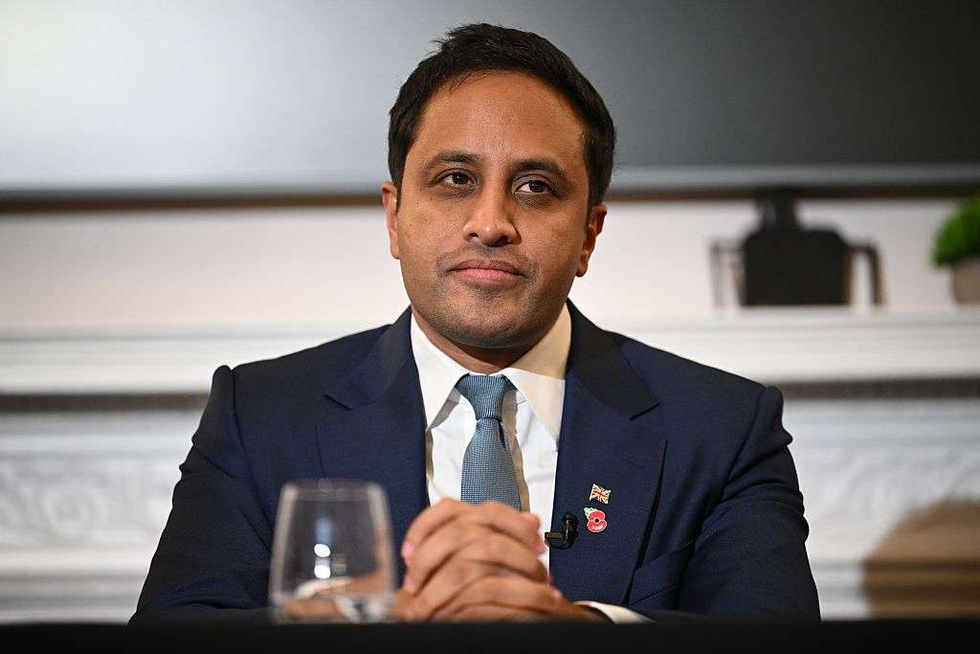 Reform UK spokesperson for home affairs, Zia Yusuf, attends a press conference with Leader of Reform UK Nigel Farage at The Clermont London Hotel on November 2, 2026 in London, United Kingdom. (Photo by Ben Montgomery/Getty Images)
 The decline has renewed calls for tighter immigration controls from the Conservatives.


