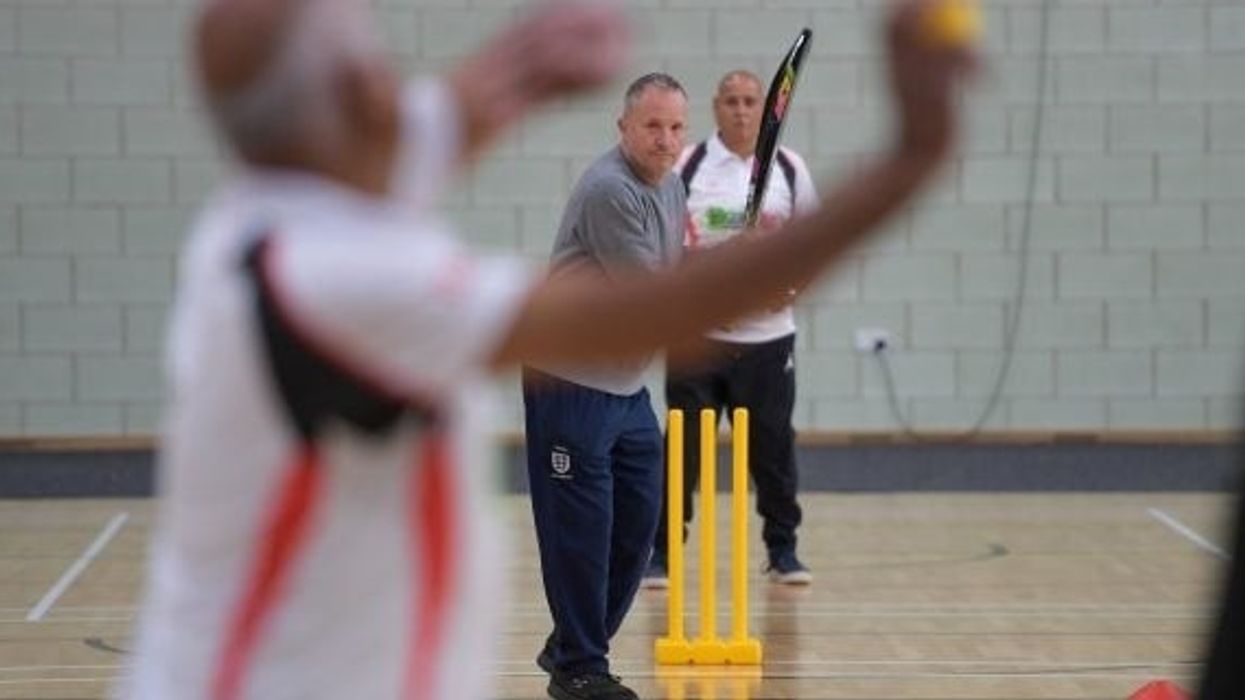

An educational physical activity initiative, Healthy Goals, designed to combat rising type 2 diabetes rates within the South Asian community, has demonstrated enduring positive effects on participants' health.
Notably, 100% of those who participated adopted healthier dietary habits after completing the programme, reflecting significant lifestyle changes, a press release by Leicester Diabetes Centre said.
Launched in 2018, Healthy Goals has successfully integrated physical activity into the daily routines of 84 individuals, as per findings from the Centre for Ethnic Health Research (CEHR).
Nearly 90% of those who completed the programme reported increased physical activity, with 68% experiencing weight loss.
Additionally, according to data from the Leicester Diabetes Centre (LDC) and the CEHR, 87% of participants decreased sedentary time, by sitting less and 50% witnessed a reduction in waist circumference.
The CEHR and the LDC worked with Cities Changing Diabetes, Leicester City in the Community (LCitC) to deliver Healthy Goals in Leicester's South Asian communities.
Sunny Rohit, community engagement officer at the CEHR, emphasised the substantial impact of Healthy Goals on participants' overall well-being.
He highlighted the 100% adoption rate of healthier diets post-programme as evidence of the programme's commitment to fostering lasting lifestyle changes.
He added, “Healthy Goals goes beyond the conventional; it’s a platform for active discussions and physical activity sessions that resonate with Leicester’s South Asian communities.”
The 12-week initiative aims to instill healthy habits and engage the South Asian community in active discussions and physical activities.
Participants highlighted their increased awareness of cooking habits, opting for healthier ingredients like fresh vegetables, demonstrating a shift towards healthier choices.
Given the increased susceptibility of south Asians to type 2 diabetes, especially with less engagement in traditional health programmes due to cultural disparities, the CEHR strives to bridge these gaps by catering to the specific needs of ethnic minority groups.
Professor Kamlesh Khunti, co-director of the LDC and director of the CEHR, stressed the significance of tailored programmes like Healthy Goals in combating the looming threat of type 2 diabetes among South Asian communities.
He said, “Physical activity is a cornerstone of diabetes prevention, and tailored programmes such as Healthy Goals are vital.”