
VETERAN BBC journalist George Alagiah has opened up about battling bowel cancer, saying he does not fear death anymore.
The BBC News at Six host was first diagnosed in 2014 and since then he has undergone more than 40 rounds of chemotherapy. Although he has had 17 bouts of treatment and five operations, his cancer returned last year.
Alagiah does not fear death, but the 63-year-old is emotional over leaving his wife and two sons.
Speaking on the How To Fail podcast, hosted by Elizabeth Day, he said: “I'm not actually scared of death. I'm not, for myself. That much I know and I've had to work through it in my head.
“I'm one scan away from perhaps knowing that thing is going to happen sooner rather than later.”
He credits his family for helping him through his tough times.
“I've dealt with it for myself, but I do find it very difficult when I think of my loved ones and particularly for the woman who has loved me, and I've loved, since 1976 – Frances.”
Reflecting on his life, Alagiah said he was pretty content. Once he drew up list of good things and bad things in his life, he said he was happy to note that the good things “way outnumber the bad things.”
And although cancer has been tough, he is committed to continuing his treatment. “Cancer is knocking on my door every day. I have to accept and own that vulnerability, and not let it engulf me.”
On the podcast, Alagiah also touched up on the gender pay bias and said he was concerned about it.
He said: “There is a gender pay gap. I know we published a list for us 'top people', if you can call us that.
“I am actually more worried about the gender gap below, of the people who don't get published and whether there is a gap there, and there shouldn't be. I think equal pay for equal work.”





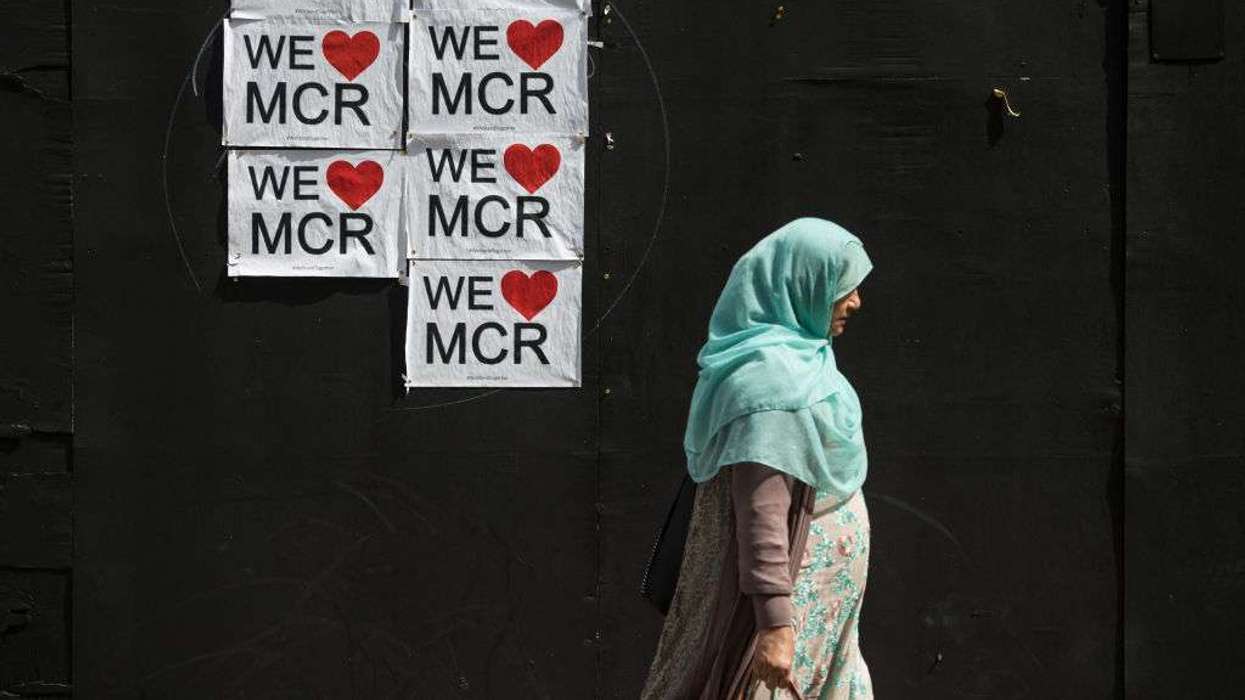 FILE PHOTO: A woman walks past a poster displaying a message of defiance to the terror attack of May 22 at the Manchester Arena, in Manchester, northwest England on May 31, 2017. (Photo by OLI SCARFF/AFP via Getty Images)