
- £15bn pledged over five years to improve home energy efficiency
- Up to five million homes to receive upgrades by 2030
- Low-income households to get free improvements, others offered low-interest loans
The government has announced its long-awaited Warm Homes Plan, promising £15bn in funding over the next five years to improve the energy efficiency of homes across the UK and bring down household energy bills.
The plan is positioned as a response to what ministers have described as a national emergency around rising energy costs. It focuses on expanding access to technologies such as solar panels, heat pumps, batteries and insulation, with the stated aim of cutting bills, reducing reliance on fossil fuels and lifting up to one million households out of fuel poverty by 2030.
According to the Department for Energy Security and Net Zero, upgrades could be rolled out to as many as five million homes, with families potentially saving hundreds of pounds a year on energy costs.
Where the £15bn will go
Of the total £15bn package, £5bn has been earmarked for low-income and fuel-poor households, who will be offered free upgrades depending on what is suitable for their homes. This could include insulation, solar panels, batteries or clean heating systems, reportedly covering the full cost in some cases.
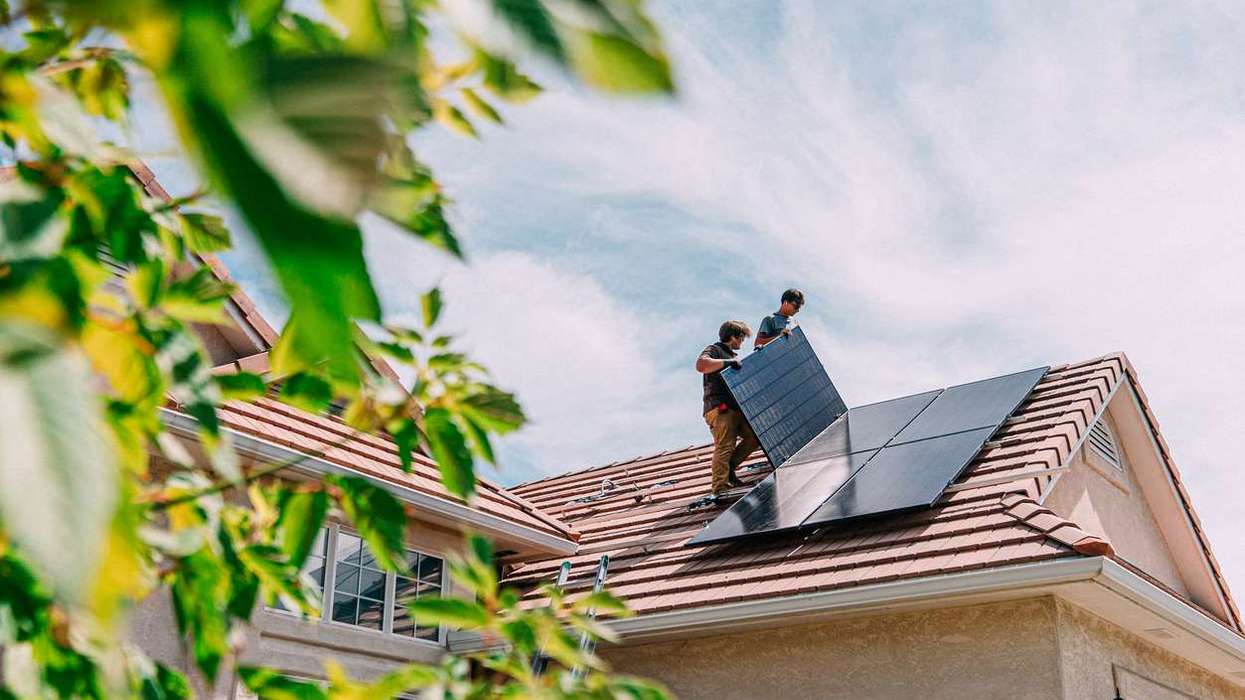
A further £2bn is set aside for consumer loans, allowing households to apply for government-backed zero and low-interest finance to install technologies such as rooftop solar panels, batteries and heat pumps. Ministers say this is intended to widen access to clean energy products that remain out of reach for many households despite falling costs.
The plan also includes £2.7bn for the existing boiler upgrade scheme to fund heat pump grants, another £2.7bn through a new Warm Homes Fund investment facility for home upgrades, £1.1bn for heat networks, and £1.5bn for other funding streams including allocations for devolved administrations.
The government said the programme will triple the number of homes with solar panels by 2030 and support a wider shift towards cleaner heating, while continuing to allow households to choose which technologies work best for them.
Low-income households and those in fuel poverty are expected to benefit most immediately, with free upgrades aimed at improving warmth and cutting bills. The government says this could help reverse a long-term decline in insulation installations, which reportedly fell by more than 90 per cent between 2010 and 2024.
For other households, the plan offers a more universal approach through loans and grants, alongside continued support such as the £150 Warm Home Discount, which around six million households are expected to receive.
The plan also includes updated protections for renters and support for landlords to improve the energy efficiency of rental homes over several years. Ministers say this is intended to ensure rented properties are safe, warm and affordable, while avoiding sudden cost shocks for landlords or tenants.
Announcing the plan, Keir Starmer reportedly said that a warm home should be a basic guarantee rather than a privilege, adding that the programme was aimed at driving bills down for good and giving families greater financial security.
Ed Miliband reportedly said the investment marked a national effort to tackle fuel poverty and improve affordability, describing the lack of warm and affordable homes as a long-standing failure.
Industry backing, with warnings attached
The scale of public investment has been welcomed by parts of the energy and finance industry, which see it as a signal intended to unlock further private funding. Dhara Vyas, chief executive of Energy UK, reportedly said the £15bn commitment provides greater certainty for investors and businesses in the energy market.
Fuel poverty campaigners have also broadly welcomed the plan, while warning that delivery and long-term funding will be key. Rick Parfett, head of climate at World Wide Fund for Nature, reportedly said that if fully funded and delivered, the plan could lead to warmer homes and lower bills through better insulation and use of clean energy.
The government has also said the plan will be supported by wider reforms, including the Future Homes Standard, due to be implemented in early 2026, which is expected to make new homes cheaper to run by design.
While ministers describe the Warm Homes Plan as the largest public investment in home upgrades in British history, details around delivery timelines, access to loans and long-term enforcement are expected to be set out gradually. For now, the plan marks a significant shift in how the government intends to tackle energy bills, housing quality and fuel poverty over the rest of the decade.