
Highlights:
- BBC says it supports the EBU decision to include Israel in Eurovision 2026.
- Ireland, Spain, the Netherlands and Slovenia withdraw in protest over Gaza war.
- Broadcasters cite humanitarian concerns, voting trust issues and safety of journalists.
- Vienna set to host the contest after Austria’s narrow win last year.
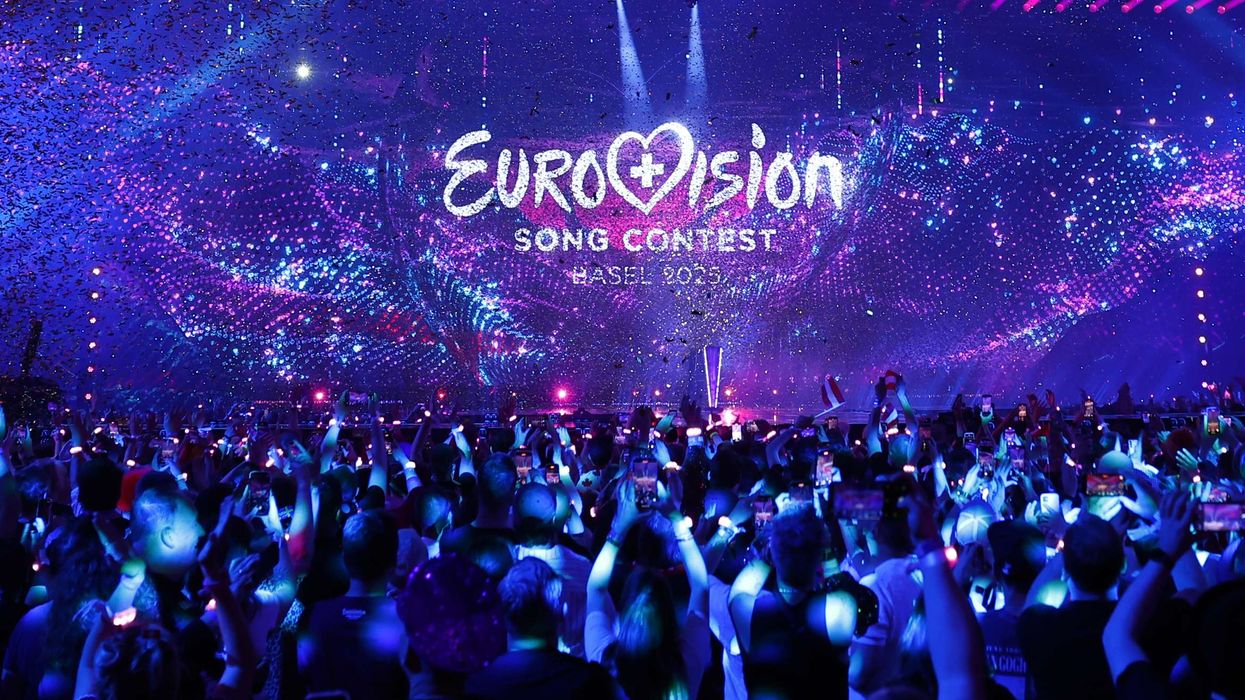
The BBC has backed the European Broadcasting Union’s (EBU) call to keep Israel in Eurovision 2026, even as a growing boycott from Ireland, Spain, the Netherlands and Slovenia reshapes the run-up to next year’s event. Their exit has deepened a dispute that has simmered since the war in Gaza began, centring on the bitter debate over whether the contest can stay separate from politics.
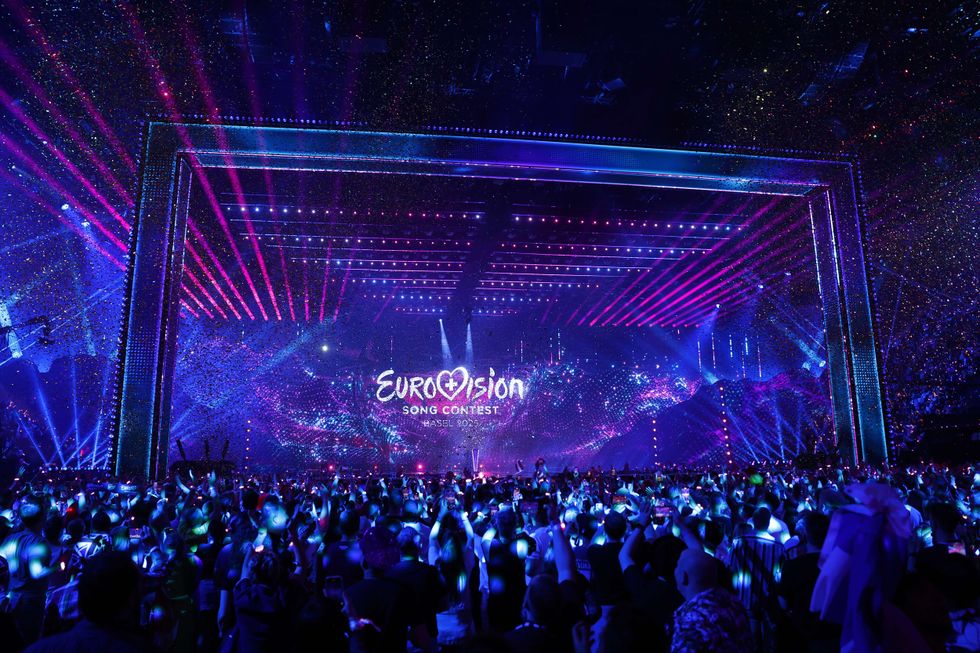 BBC stands by Israel in Eurovision dispute as four nations walk out over Gaza deaths Getty Images
Why Israel’s place in Eurovision 2026 triggered this fallout
At a winter assembly in Geneva, EBU members agreed on new rules intended to stop state-driven campaigns around their acts. Once those changes passed, the EBU said there was no need for a further vote on Israel’s participation. For several broadcasters, that was the breaking point.
Irish broadcaster RTÉ said it could not justify taking part “given the appalling loss of lives in Gaza” and repeated concerns about the deaths of journalists and the ongoing block on foreign media entering the territory. Spain’s RTVE shared the stance, saying trust in the contest’s organisation had been shaken.
The Netherlands took a similar line. Avrotros, one of the country’s main public broadcasters, said last year’s tensions over political influence had crossed its limits. Its chief executive, Taco Zimmerman, said public values such as humanity and press freedom had been “seriously violated”. Slovenia’s RTV made its point even more directly, saying it refused to stand on the same stage “on behalf of the 20,000 children who died in Gaza”.
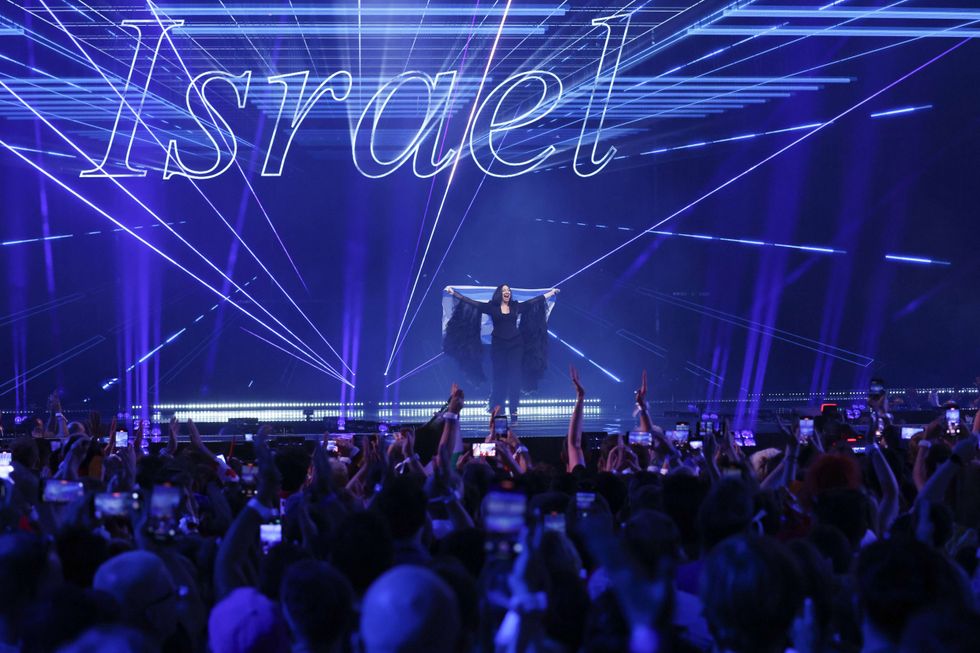 Yuval Raphael representing Israel walks on stage during the Grand Final of the 69th Eurovision Song ContestGetty Images
How the BBC explained its support
The BBC, however, struck a different tone. A spokesperson said the corporation supports the “collective decision” of EBU members and framed the move as one of rule enforcement and inclusion. The view is shared by the UK government. Ministers said music should not be pulled into political fights, while the Conservatives called the boycotts “deeply concerning”.
Some MPs criticised the stance. Independent MP Adnan Hussain urged viewers to “boycott Eurovision for platforming genocide,” quoting the BBC’s own statement. But the broadcaster maintained that decisions on members rest with the EBU, not national governments.
One quiet detail stood out: the UK remains under pressure from some activist groups to withdraw, but there has been no sign of movement from either government or broadcaster.
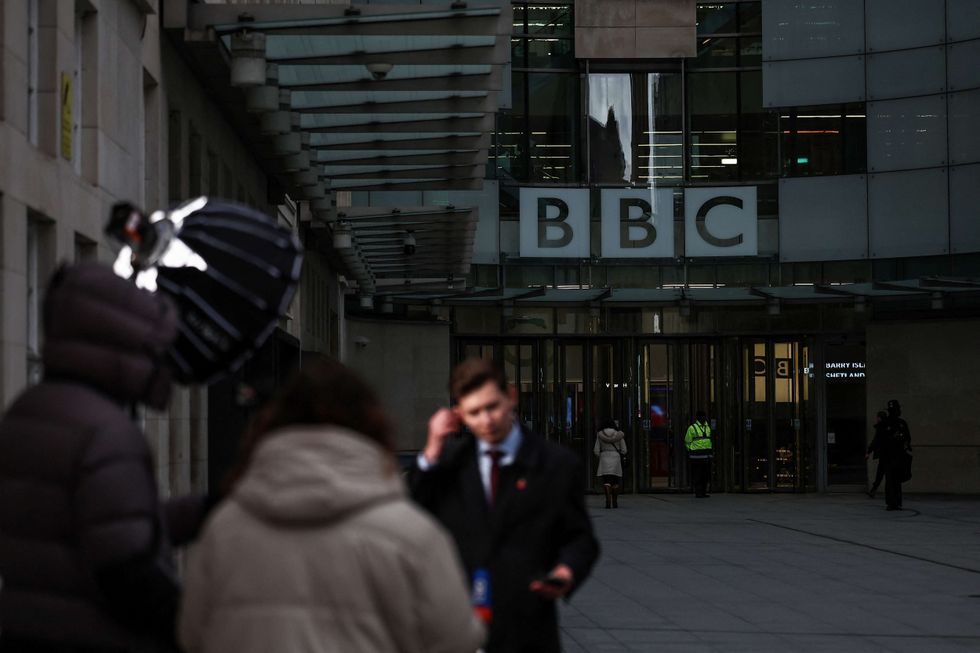 Offices of British broadcaster BBC in LondonGetty Images
What happens next for Eurovision 2026
The contest will return to Vienna next May. Austria’s entry, JJ with Wasted Love, edged out Israel’s Yuval Raphael in last year’s vote. Israel’s president, Isaac Herzog, welcomed the decision to keep the country in the contest, saying Israel “deserves to be represented on every stage”.
Russia remains barred following the invasion of Ukraine, creating a contrast that several broadcasters referred to in their statements. They argued that similar standards should apply to all countries involved in major conflicts.
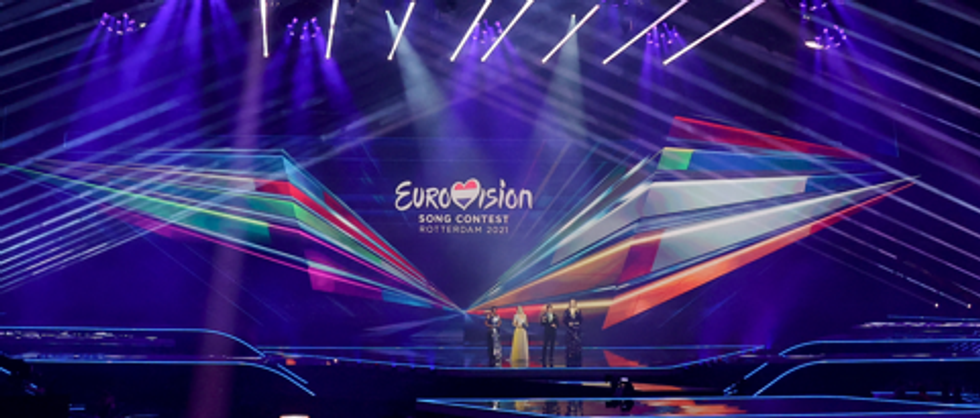 Stage during the first semi-final of the 65th edition of the Eurovision Song Contest 2021Getty Images
The withdrawals leave gaps in next year’s line-up, though the Dutch public broadcaster NPO has said it will still screen the show for viewers. For now, the EBU says the contest will proceed as planned. What shape it takes on stage in Vienna, with four nations gone and debate still running, will be clearer in the months ahead.