
Highlights
- 29 councils already unable to meet financial obligations without emergency government loans.
- London boroughs face £1bn shortfall this year, with half potentially requiring bailouts by 2028.
- Government's "fair funding review 2.0" expected December (17) will determine council allocations.
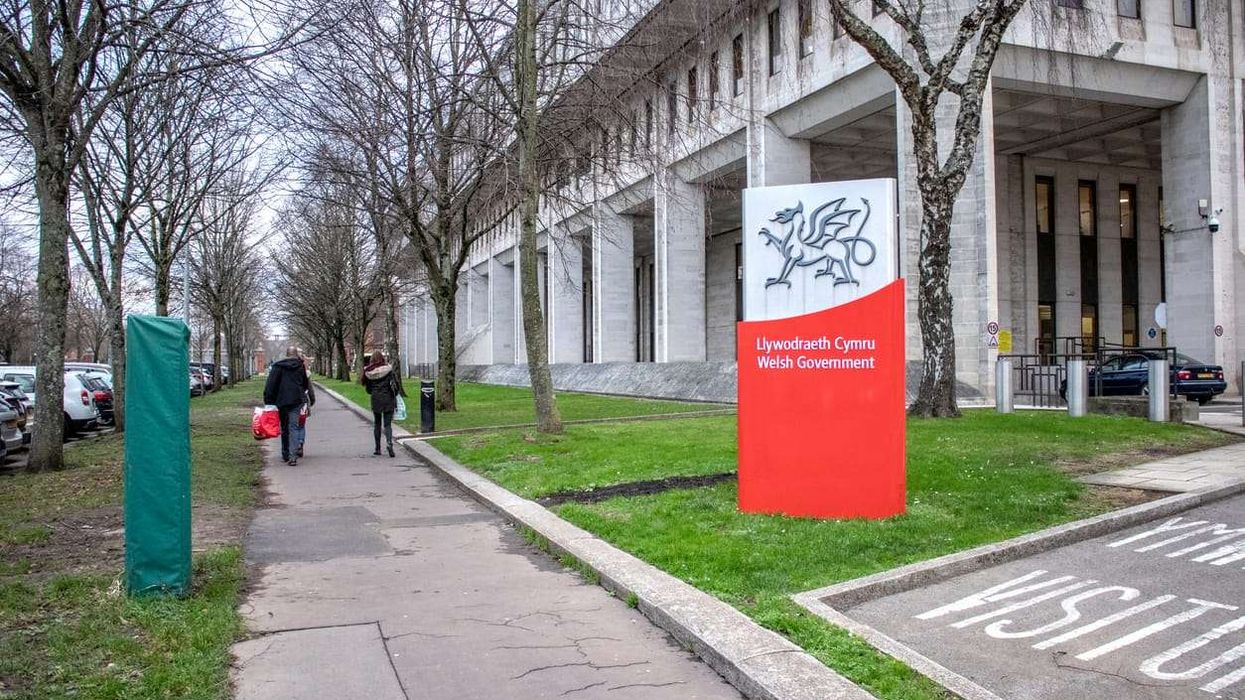
Local authorities across England and Wales have warned their finances are at "breaking point," with more councils expected to declare bankruptcy as they await crucial government funding announcements this month.
Council leaders anticipate changes to annual funding arrangements will result in steep cuts for many authorities, preventing them from balancing budgets and providing basic services to residents.
Twenty-nine councils have already been unable to meet financial obligations without special government loans, including Birmingham, Croydon, and Thurrock in Essex.
Norfolk county council's deputy finance leader Andrew Jamieson told the Guardian the number of failing authorities would likely grow when the government publishes its new funding settlement. "We are often accused of crying wolf, but local authorities are reaching breaking point now," he stated.
The money's not there. There are bound to be some more councils that cannot meet their obligations, he added
The Local Government Association spokesperson highlighted that "cost and demand pressures are unrelenting, particularly in key demand-led services such as children's social care, adult social care, homelessness and home-to-school transport for children with special educational needs."
Funding shortfalls worsen
The government's "fair funding review 2.0," expected on December (17) will determine how funding is allocated. Labour sources claim the changes respond to former Prime Minister Rishi Sunak's redrawing of rules favouring wealthier Conservative areas.
Despite promised increases, many councils face difficult choices. Cornwall council plans to save between £40m and £70m after making £50m in cuts last year. Hartlepool borough council aims to freeze council tax while closing a £9m deficit.
London Councils warned boroughs face a £1bn funding shortfall this year and a cumulative £4.7bn gap through 2028-29, with half potentially requiring emergency support by 2028 to avoid bankruptcy.
Jamieson noted council tax receipts rose from 42 per cent to 60 per cent of Norfolk's income over four years, adding "The way local government is funded is not sustainable."
A government spokesperson stated councils set their own tax levels, with increases limited to 5 per cent without local referendums, ensuring "taxpayers the final say on increases."