
Highlights
- England's poorest communities have 70 per cent more vape shops, off-licences and bookmakers than affluent areas.
- Deprived neighbourhoods contain half the childcare facilities and 25 per cent fewer gyms, cafés and pubs.
- Vacancy rates in poorest areas reach 8.1 per cent compared to 5.9 per cent in wealthier locations.
The study reveals that poor communities possess half the number of childcare facilities including nurseries and children's centres—and approximately 25 per cent less social infrastructure such as gyms, cafés and pubs compared to wealthier areas.
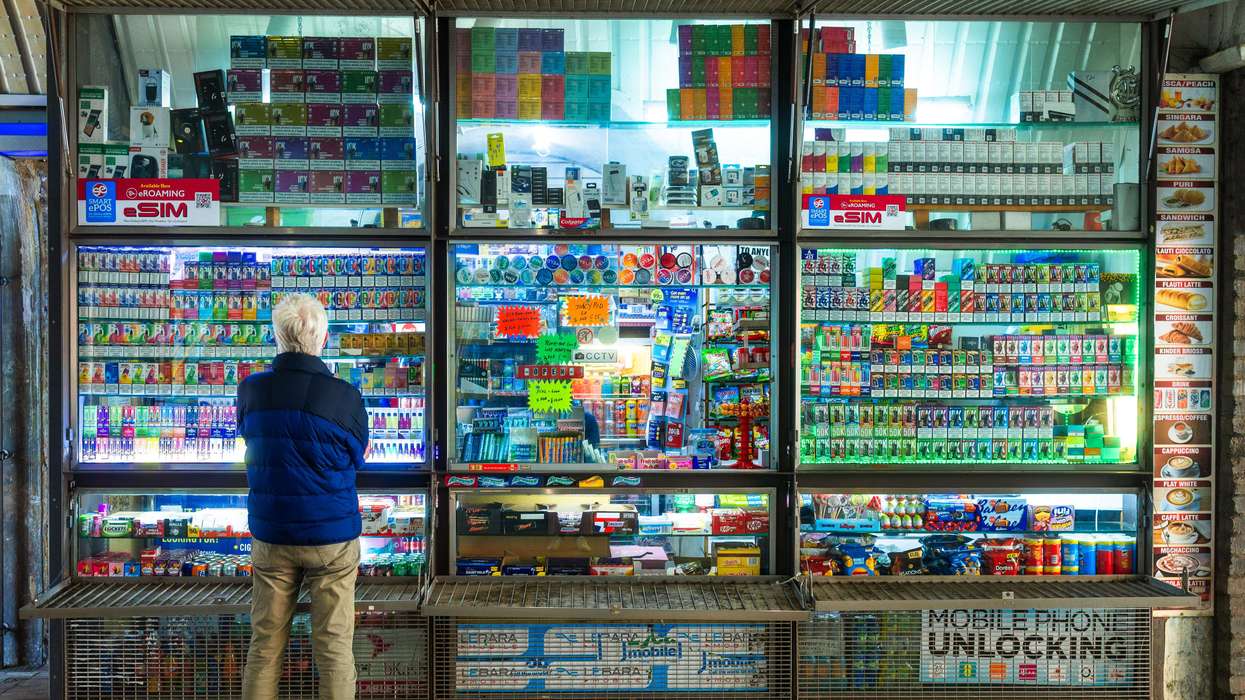
Meanwhile, these same neighbourhoods contain 70 per cent more vape shops, off-licences and bookmakers than affluent communities.
The research, chaired by Labour peer Hilary Armstrong, warns that ministers risk overlooking vitally important neighbourhood shopping precincts by concentrating efforts on town centres.
Local shops in deprived areas feature roughly double the number of retailers selling unhealthy food and experience substantially higher vacancy rates with 8.1 per cent compared with 5.9 per cent in more affluent areas.
Ross Mudie, Icon's head of research, stated "Ministers risk overlooking vital neighbourhood shopping parades as the government focuses on boosting town centre retail.
Communities in these areas should be given extra support to take over and run empty units in their local shopping parades as new community facilities."
Policy approach criticised
Researchers criticised a "fragmented" approach to these "hyperlocal" areas, noting that as many as 13 government departments hold responsibility for policy rising to 16 with healthy eating initiatives.
Prime minister Keir Starmer announced last week an expansion of the £5 bn "pride in place" programme investing in 284 areas across the UK, enabling communities to seize boarded-up shops and purchase beloved local assets such as libraries and cinemas. However, whether this programme addresses Icon's concerns remains unclear.
The thinktank IPPR North has warned that the "withering away" of local community spaces has fuelled people's shift online, with young men particularly drawn into radical right-wing politics through WhatsApp and Telegram.
Professor Will Jennings of the University of Southampton warned Labour faces being "washed away in a tide of discontent" at the next general election unless it tackles high street deterioration.
Recent polling identifies high street decline as one of people's biggest concerns about their local areas, second only to high shop prices.