Skip to content
Search

Latest Stories

Submit Guest Post

ECB unveils plan to drive inclusion in cricket

The ECB’s goal is also to engage 14 million people annually in cricket, increase children’s participation by 10 per cent.

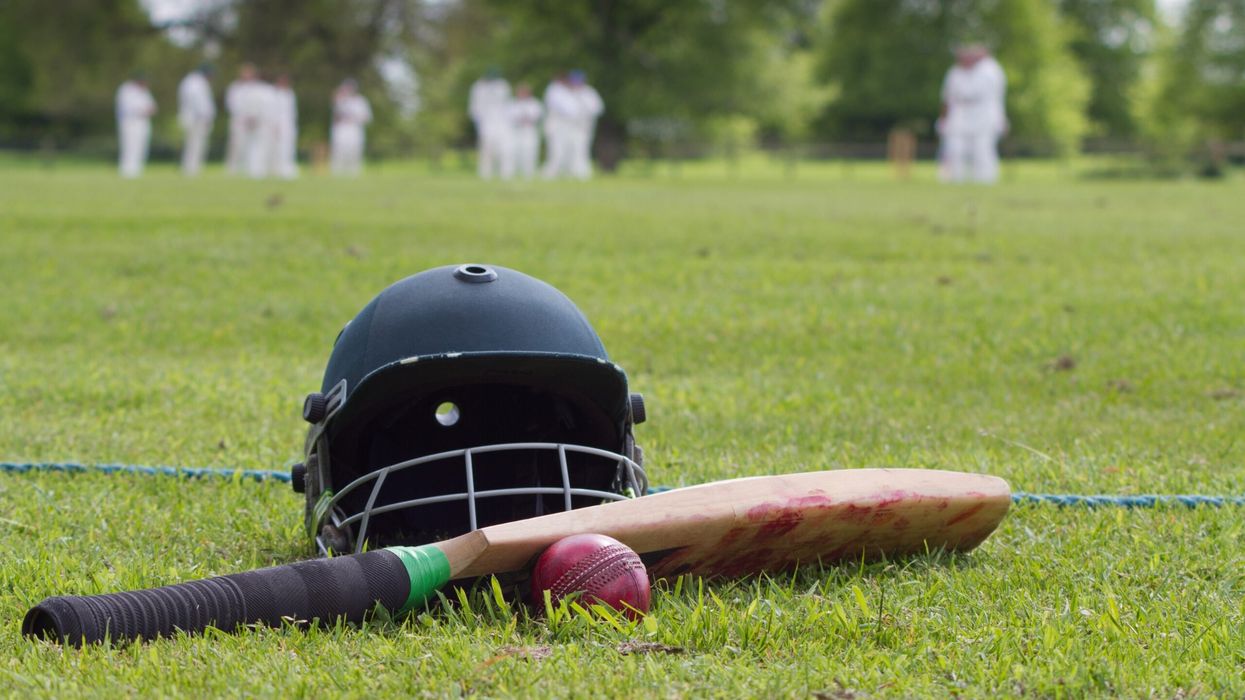
The new strategic plan aims to make cricket the most inclusive team sport in the region while growing the sport through 2028. (Representational image: iStock)

THE ENGLAND and Wales Cricket Board (ECB) has announced an updated version of its "Inspiring Generations" strategy, focusing on removing barriers to entry in cricket and promoting equity, diversity, and inclusion (EDI).

The new strategic plan aims to make cricket the most inclusive team sport in the region while growing the sport through 2028.


Key events during this cycle include hosting the ICC Women’s T20 World Cup in 2026, the Men’s and Women’s Ashes series in 2027, and cricket’s inclusion in the 2028 Los Angeles Olympics.

The ECB’s goal is to engage 14 million people annually in cricket, increase children’s participation by 10 per cent, improve visibility and access for women and girls, and promote diversity, inclusion, and fair access across all levels.

Alongside this, the ECB has launched action plans to address issues such as racism, sexism, and class-based discrimination in the sport. The Independent Commission for Equity in Cricket (ICEC) identified these barriers in its 2023 report.

One key initiative is the State Schools Action Plan, which will train teachers and deliver free cricket to 500 state secondary schools by 2030.

Supported by government funding, the ECB also aims to provide cricket to 3.5 million children in state primary schools and Special Educational Needs schools, while investing £26 million in facilities for state school children in 16 towns or cities.

Other plans include investing £3.5 million in ethnically diverse areas by 2027, building 450 new facilities, and offering free cricket programmes to underprivileged youth.

A partnership with the South Asian Cricket Academy will support 70 players annually, while the African Caribbean Engagement (ACE) programme will engage 21,000 young people.

Richard Gould, ECB CEO, emphasised that the success of the strategy depends on the collective effort of everyone involved in the sport.

ECB Deputy CEO Clare Connor echoed these sentiments, highlighting the long-term commitment to making cricket a welcoming and inclusive environment for all.

Add EasternEye As Your Trusted Source
preferred source on google news

More For You

Leonid Radvinsky

OnlyFans has grown into one of the most profitable companies in Britain, despite employing just 47 people

Leonid Radvinsky

OnlyFans made £513m in dividends for its owner before he died, here's the full picture

  • OnlyFans owner Leonid Radvinsky received dividends worth more than £513m (over $700m) before his death in March at the age of 43.
  • The company made $714m in profit before tax last year, a rise of 5 per cent from 2024, despite employing only 47 people.
  • OnlyFans has paid over $30 billion to creators since launch, according to chief executive Keily Blair.

The man behind OnlyFans was paid an extraordinary sum in dividends in the months leading up to his death from cancer earlier this year, newly published company accounts show. Fenix International Ltd, the British company that owns the streaming platform, paid its late owner Leonid Radvinsky more than £513m (around $700m) before he died in March.

According to Fenix International's annual report, the company made $714m in profit before tax last year, up 5 per cent from 2024. What makes the figure especially striking is the size of the company behind it. OnlyFans employs just 47 people, a staggeringly small workforce for a business generating that kind of profit. For comparison, Marks and Spencer, which employs more than 65,000 people, made £671m in profit last year, roughly in the same ballpark as OnlyFans despite a workforce thousands of times larger.

Keep ReadingShow less