
- Fuel stations must now share live prices within 30 minutes.
- Households could save around £40 a year, according to the government.
- Motoring groups say price gaps of up to 20p per litre remain common.
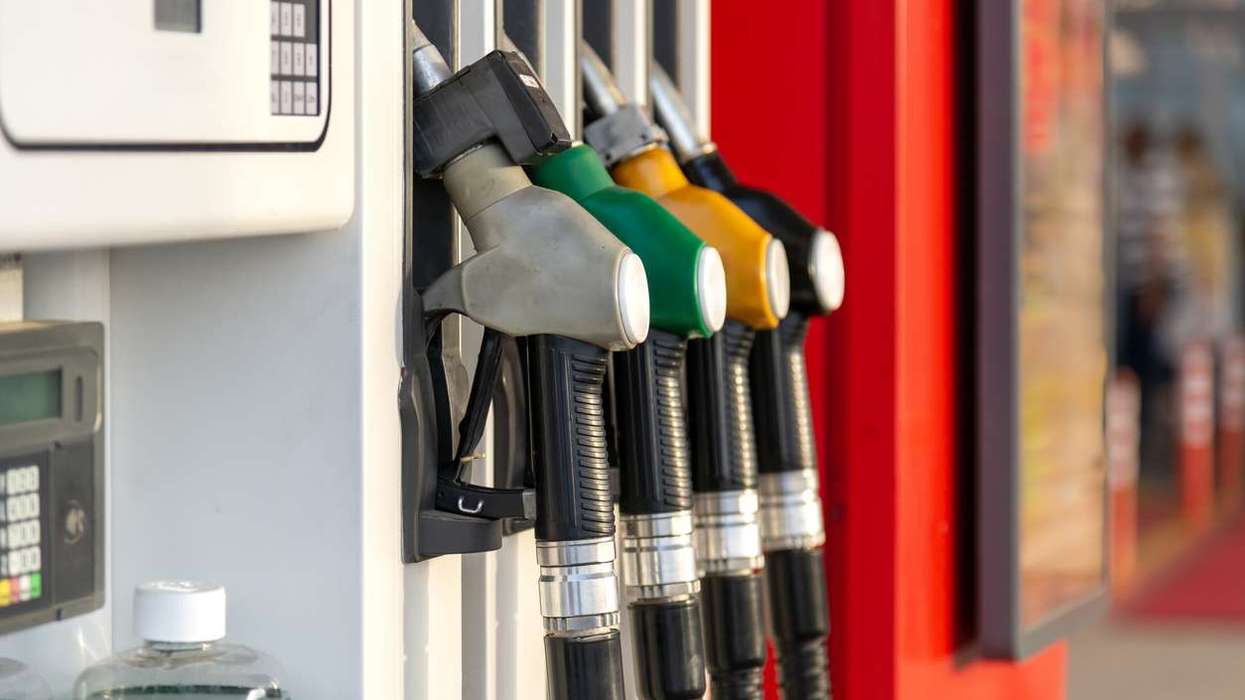
Drivers across the UK can now compare fuel prices at every petrol station, after new rules came into force on February 3 under the government’s Fuel Finder Scheme. From this week, garages and fuel retailers are required to report any price changes for petrol and diesel to a central database within 30 minutes.
The idea is simple. By making prices visible through third-party apps and websites, motorists are expected to find cheaper options more easily, while retailers face greater pressure to compete. Chancellor Rachel Reeves said the scheme could save the average household about £40 a year.
Motoring groups have long argued that drivers can pay significantly different prices for the same fuel, depending on where they fill up. In some areas, that gap can reach as much as 20p per litre.
Watchdog pushed for change
The policy follows repeated investigations by the Competition and Markets Authority, which found that competition between petrol stations remained weak and retailer margins were “persistently high”. The regulator also said pump prices tend to “rise like a rocket, but fall like a feather” when oil prices move, reportedly said in earlier findings.
Under the new system, fuel prices are no longer shared voluntarily. All businesses selling petrol or diesel must now upload their prices to a government-run database. The data also includes information on forecourt services such as car washes, air pumps and toilets.
There is no official government app linked to the scheme. Instead, the data will be used by existing comparison platforms, including PetrolPrices, Waze, My RAC, the AA app, in-car navigation systems and online maps.
Prices are lower, but gaps remain
Fuel prices have already fallen from recent highs. According to the RAC, petrol is currently averaging 131.91p per litre, the lowest level since July 2021. Diesel stands at about 140.97p per litre.
Simon Williams, the RAC’s head of policy, said that as more of the UK’s 8,300 forecourts submit daily prices, drivers should find it easier to spot cheaper options near them, as quoted in a news report.
Fuel retailers, meanwhile, argue they are facing higher wage and tax bills, even though pump prices are well below the peaks seen in 2022 and 2023, when oil prices surged after Russia’s invasion of Ukraine.
Whether the new transparency will narrow price gaps over time remains to be seen, but drivers now have more information at their fingertips than ever before.