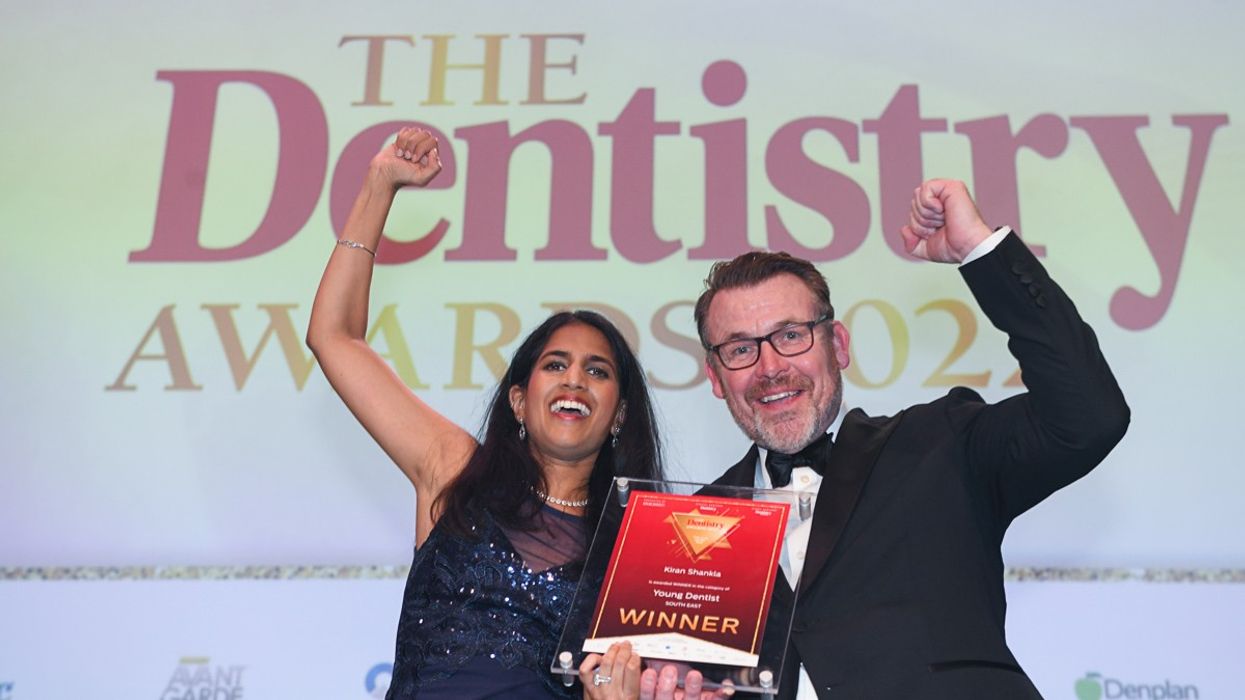

British Indian dentist Dr Kiran Shankla has won the best Young dentist at The Dentistry Awards for the South East. There were 12 finalists in the category.
"This is an extremely prestigious and distinguished award. It hasn't been won by a female Asian dentist for many years and is the equivalent of winning best actor at The Oscars," Dr Shankla, who lives in Reading, Berkshire, said in a statement.
Dr Shankla graduated from the University of Birmingham. After graduating she went on complete two dental core training posts before moving to Australia. She spent a year here before returning to Reading and joining the practice in summer 2016.
Since then she has enlisted herself on a part time master in Restorative Dentistry at the Eastman Dental Institute enabling her to peruse postgraduate studies and deal with a variety of clinical scenarios. Her areas of interest are minimally invasive dentistry, treating young children and cosmetic dentistry.
Rohit Keshav Sunil Patel and Jon Nicholas were other winners in the category.
The 2022 Dentistry Awards took place on 25 November at The Athena in Leicester. The event, also known as ‘dentistry’s biggest party’, recognised excellence in dentistry across the UK.
According to a statement, the highest number of entries were received for The Dentistry Awards this year.