
Highlights
- FSA recalls 700ml Disaronno Originale bottles due to possible glass fragments making drink unsafe.
- Seven batches affected by "anomaly on bottle line" during manufacturing process.
- Customers advised to check batch codes on back of bottles before consumption.
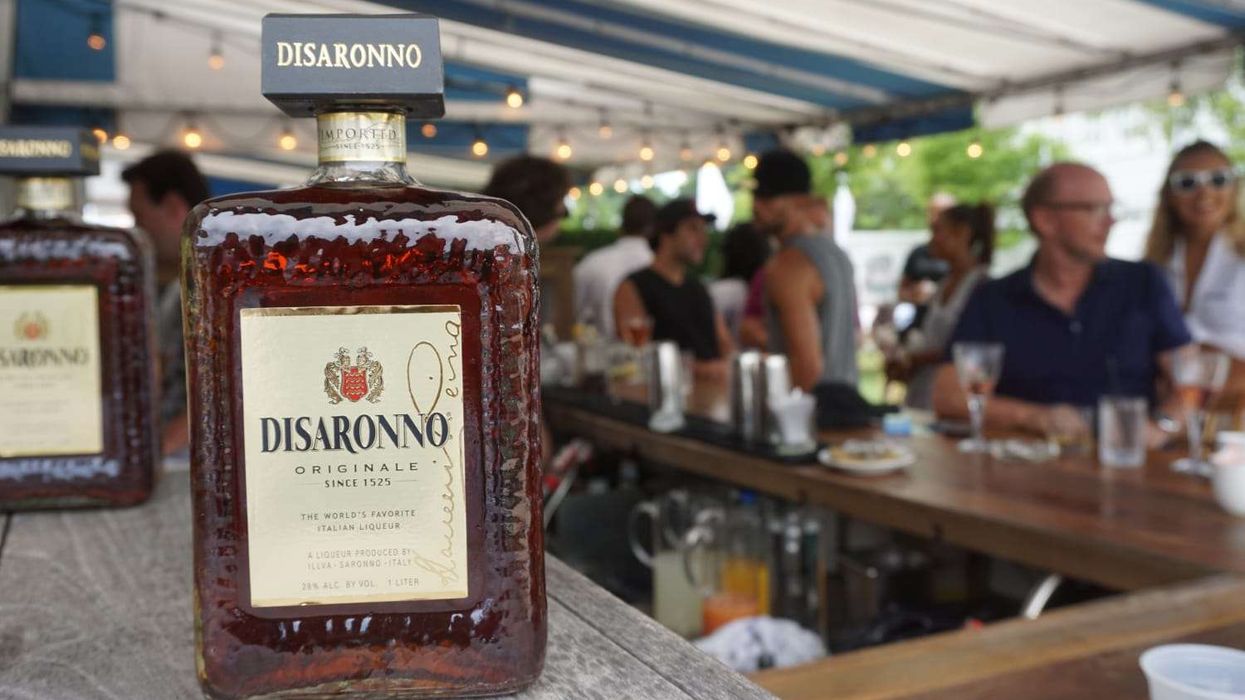
Bottles of popular almond liqueur Disaronno have been recalled over fears of possible glass contamination. The Food Standards Agency (FSA) issued an urgent recall notice on Tuesday for 700ml bottles of the drink sold in England and Scotland.
The FSA said Illva Saronno, the brand's parent company, was recalling bottles of Disaronno Originale because of "the possible presence of small pieces of glass within some bottles of product, which could make it unsafe to drink".
Seven batches have been identified which could include potentially contaminated bottles. The potential contamination is thought to have occurred due to an "anomaly on the bottle line", according to the recall notice.
The affected bottles carry the following batch codes: 25374, 25375, 25381, 25382, 25435, 25442, and 25444. Consumers can check these numbers on the back of bottles.
Recall notices will now be displayed at point of sale in shops where the bottles were sold, advising customers on appropriate action.
The recall follows a similar notice issued in the Republic of Ireland on Monday, recalling the same product for identical safety concerns.
Product recalls are not uncommon and can be issued for various safety reasons. On Tuesday, health food brand Grape Tree also issued recall notices for two products due to possible contamination with undeclared peanuts and milk. Disaronno, known for its distinctive amaretto flavour, is one of Britain's most popular Italian liqueurs.