Skip to content
Search

Latest Stories

Submit Guest Post

Paedophile 'faces deportation to India'

A PAEDOPHILE faces deportation to India after the home secretary revoked his UK citizenship after it emerged that the man lied on his application form.

Known only as RSD, the man was jailed for 14 years after he was convicted in 2011 of 23 counts of sexual abuse of “a male child within the family”.


He had arrived in the UK in 1997 and became a British national in 2004, the Sunday Telegraph reported (23).

The crime is said to have taken place between 2003 and 2010 – meaning he lied about abusing the child when RSD applied to become a naturalised UK citizen.

When the home secretary revoked the citizenship, RSD appealed against the decision and won. However, a a senior judge agreed with the home secretary and RSD now faces deportation, the report said.

It is said to be the first time a convicted paedophile has been stripped of his acquired citizenship.

Judge Pitt, of the Upper Tribunal of the Immigration and Asylum Chamber, was quoted as saying in the Telegraph report: "It is my conclusion that the appellant obtained naturalisation in 2004 by deliberately concealing material facts."


Add EasternEye As Your Trusted Source
preferred source on google news

More For You

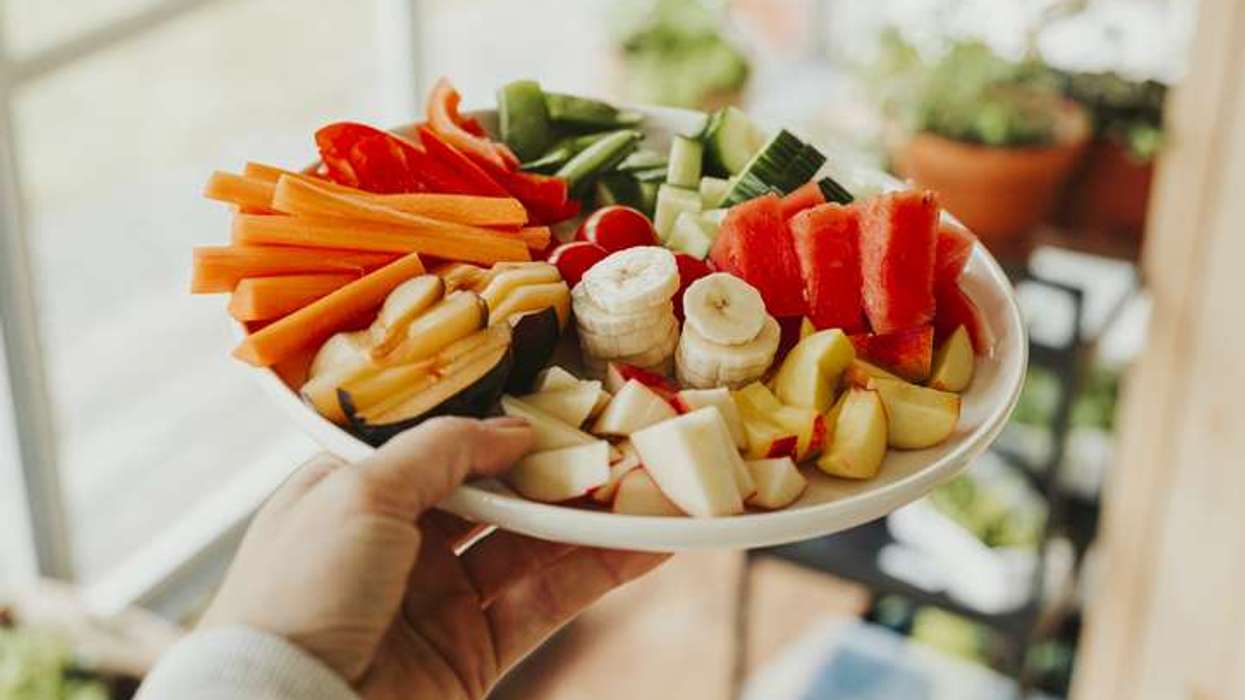
Fruits and vegetables

Britain’s reliance on imported fruit and vegetables could make food prices more vulnerable to climate shocks

iStock

Britain’s fruit bowl could be at risk as climate change hits the countries it relies on

  • Around 40 per cent of Britain’s food is imported, including 80 per cent of its fruit.
  • The UK is already seeing domestic crops affected by heatwaves, drought and wildfires.
  • Researchers warn climate pressures could make fresh food more expensive and harder to secure.

Britain is increasingly exposed to that risk because it relies heavily on imported fruit and vegetables, including from countries that are themselves facing growing pressure from rising temperatures, drought and extreme weather.

Around 40 per cent of the UK's food is imported, according to a new report from the Food Foundation. The figure rises to 80 per cent for fruit and 47 per cent for vegetables, leaving Britain particularly dependent on overseas growers for some of the fresh foods people buy most often.

Keep ReadingShow less