Skip to content
Search

Latest Stories

Debbie McGee to star in Beck Theatre’s magical pantomime Sleeping Beauty

Magician Debbie McGee is set to star in Beck Theatre’s upcoming pantomime Sleeping Beauty.

A finalist in BBC's 2017 Strictly Come Dancing, the ‘lovely’ Debbie McGee is best known for her role as the glamourous assistant in BBC1 TV show The Paul Daniels Magic Show.


“We are absolutely thrilled that Debbie will be bringing her magic to the Beck Theatre this Christmas and leading the cast of our wonderful pantomime,” said Daryl Back, executive producer of the pantomime.

“This year’s production promises much laughter, audience participation and an enchanting atmosphere for our Hayes audiences – we feel sure it will be the pantomime of their dreams!”

Opening on 6 December, the show marks McGee’s return to the Beck Theatre, having previously starred alongside her husband Paul Daniels in the 2004 pantomime Beauty and the Beast.

McGee is the first woman to win the coveted Maskelynne Award from The Magic Circle for services to British magic in 2017.

She has an equally stellar career in radio and TV. McGee has been hosting a Sunday morning show on BBC Radio Berkshire since 2008. Her recent television appearances include Carry on Barging, The Pilgrimage, Would I lie To You, Strictly The Best, The Price Of Fame, Impossible Celebrities, The Chase, Pointless, Loose Women, Good Morning Britain, and The One Show.

Sleeping Beauty, which revolves around a princess cursed on her sixteenth birthday to sleep for 100 years, will run till 29 December at the Beck Theatre in Hayes.

More For You

Samir Zaidi

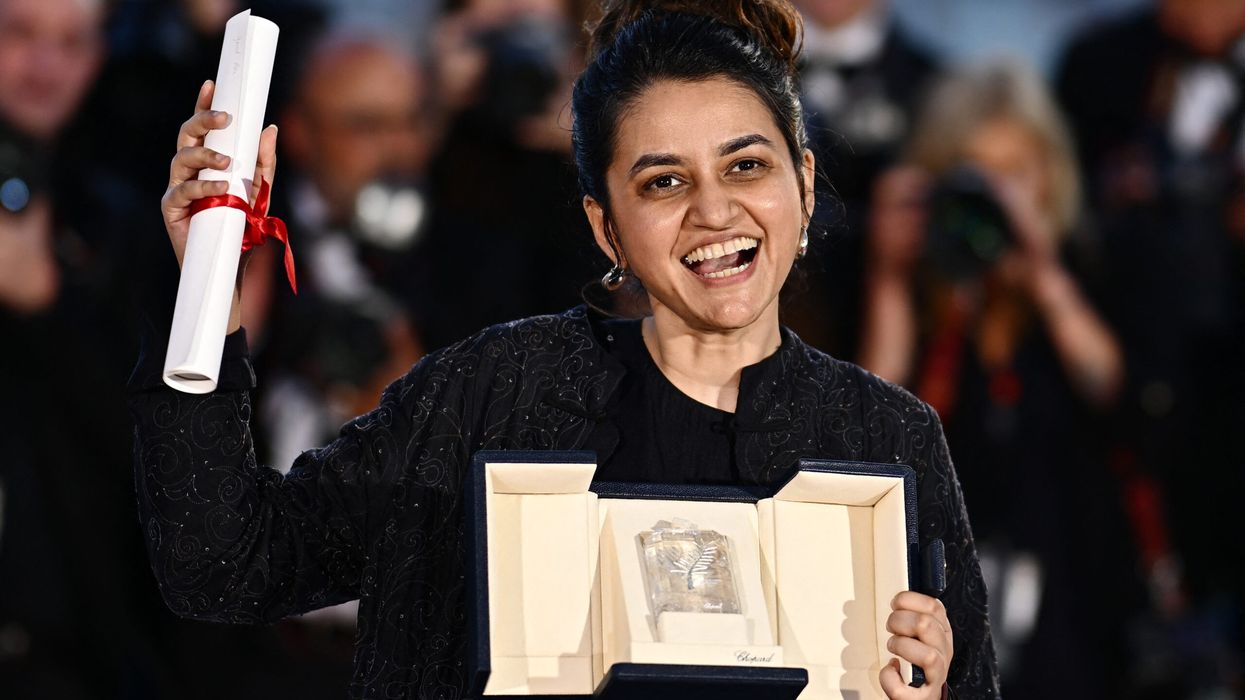
Two Sinners marks Samir Zaidi’s striking directorial debut

Samir Zaidi, director of 'Two Sinners', emerges as a powerful new voice in Indian film

Indian cinema has a long tradition of discovering new storytellers in unexpected places, and one recent voice that has attracted quiet, steady attention is Samir Zaidi. His debut short film Two Sinners has been travelling across international festivals, earning strong praise for its emotional depth and moral complexity. But what makes Zaidi’s trajectory especially compelling is how organically it has unfolded — grounded not in film school training, but in lived observation, patient apprenticeships and a deep belief in the poetry of everyday life.

Zaidi’s relationship with creativity began well before he ever stepped onto a set. “As a child, I was fascinated by small, fleeting things — the way people spoke, the silences between arguments, the patterns of light on the walls,” he reflects. He didn’t yet have the vocabulary for what he was absorbing, but the instinct was already in place. At 13, he turned to poetry, sensing that the act of shaping emotions into words offered a kind of clarity he couldn’t find elsewhere. “I realised creativity wasn’t something external I had to chase; it was a way of processing the world,” he says. “Whether it was writing or filmmaking, it came from the same impulse: to make sense of what I didn’t fully understand.”

Keep ReadingShow less