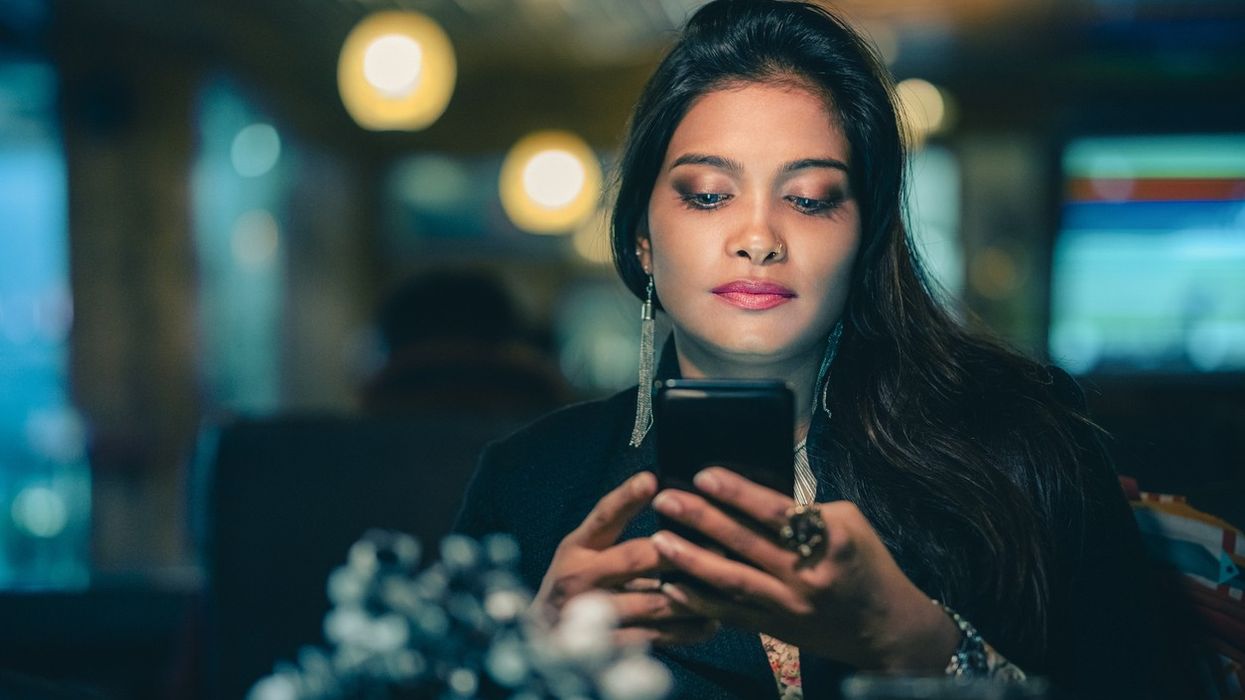

Finding romance today feels like trying to align stars in a night sky that refuses to stay still
When was the last time you stumbled into a conversation that made your heart skip? Or exchanged a sweet beginning to a love story - organically, without the buffer of screens, swipes, or curated profiles? In 2025, those moments feel rarer, swallowed up by the quickening pace of life.
We are living faster than ever before. Cities hum with noise and neon, people race between commitments, and ambition seems to be the rhythm we all march to. In the process, the simple art of connection - eye contact, lingering conversations, the gentle patience of getting to know someone - feels like it is slipping through our fingers.
Whether you’re single, searching, or settled, the landscape is shifting. Some turn to apps for convenience; others look for love in cafés, gyms, workplaces or community spaces. But the challenge remains the same: how do we connect deeply in a world designed to move at lightning speed?
We’ve become fluent in productivity, in chasing careers, in cultivating polished identities. Yet are we forgetting how to be fluent in intimacy? When was the last time you sat across from someone and truly listened - without checking your phone, without planning the next step, without treating time like a currency to be spent?
It’s a strange paradox: we have more access to people than ever before, yet many feel more isolated. Fun is always available - dinners, drinks, nights out, fleeting encounters - but fulfilment is harder to grasp. Are we mistaking access for intimacy? Are we human, or are we slowly adapting into versions of ourselves stripped of those raw, humanistic qualities - vulnerability, patience, tenderness - that once defined love?
Perhaps we’ve grown comfortable with the fast exit. It’s easier to ghost than to explain. Easier to keep moving than to pause. But what does that cost us? What do we lose when romance becomes a checkbox on an already overstuffed to-do list?
The truth is - the heart doesn’t move at the pace of technology or ambition. It moves slowly, awkwardly, with a rhythm that resists acceleration. Maybe that’s the point. Love has always lived in the messy spaces - hesitant pauses, nervous laughter, words spoken without rehearsal.
So the real question for 2025 is not “Have we gone too far?” but “Can we afford to slow down?” Can we still allow ourselves the sweetness of beginnings - the chance encounters, the unplanned moments, the quiet courage to be open?
Because in the end, connection is not about speed or access—it’s about presence. In a world that won’t stop moving, choosing to be present might be the bravest act of love we have left.
Instagram & TikTok: @Bombae.mix

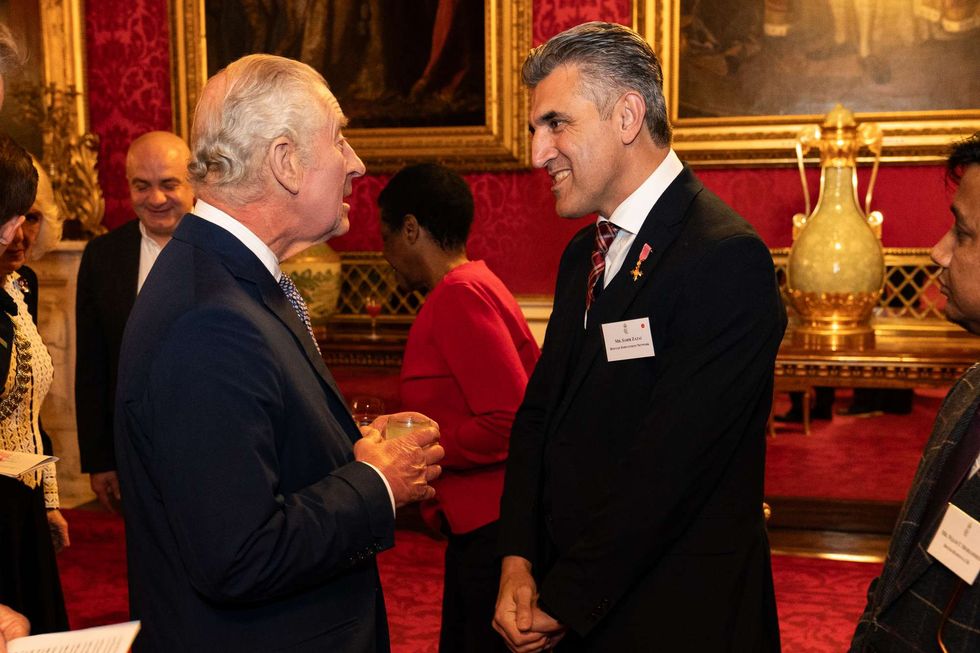 Sabir Zazai (right) speaks with King Charles III during a reception at Buckingham Palace to recognise the UK's contribution to humanitarian efforts across the world and to mark 60 years of the Disasters Emergency Committee on November 8, 2023 in London, England.Getty Images