
Highlights
- Cryptocurrency companies will be regulated similarly to stocks and shares under new legislation.
- Rules aim to boost consumer protection and make it easier to detect suspicious activity.
- Government also planning to ban political donations made with cryptocurrency.
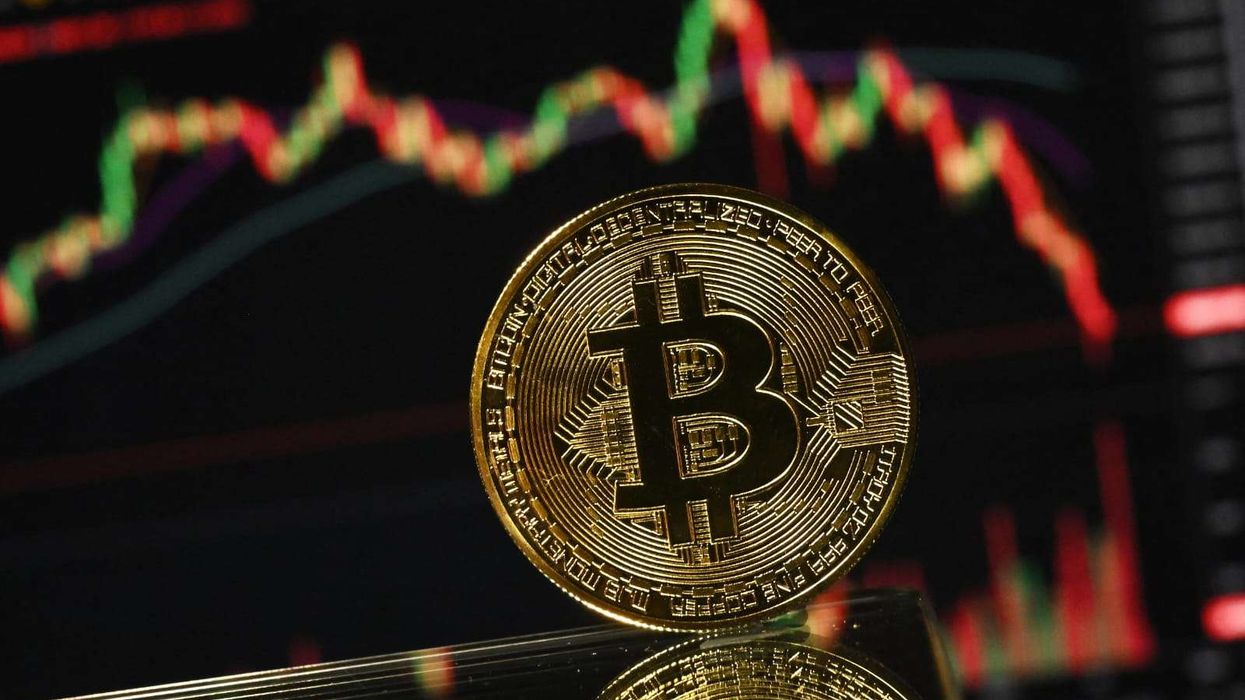
Britain will regulate cryptocurrencies like traditional financial products from 2027, the Treasury has announced, as it moves to overhaul the rapidly growing digital currency market.
New legislation will require crypto companies to meet standards overseen by the Financial Conduct Authority (FCA), providing consumers with protections similar to those for stocks and shares.
Cryptocurrencies have previously escaped the same level of regulation as traditional financial products, leaving many consumers without adequate protection when things go wrong.
Chancellor Rachel Reeves said, "Bringing crypto into the regulatory perimeter is a crucial step in securing the UK's position as a world-leading financial centre in the digital age."
She added the rules would give firms "clear rules of the road" to "invest, innovate and create high-skilled jobs here in the UK, while giving millions strong consumer protections, and locking dodgy actors out of the UK market".
The changes will bring companies providing crypto services, including exchanges and digital wallets, fully into the FCA's remit. Services will be regulated in the same way as other financial products and subject to transparency standards.
Lucy Rigby, minister for the City of London, told The Guardian "We want the UK to be at the top of the list for crypto assets firms looking to grow and these new rules will give firms the clarity and consistency they need to plan for the long term."
Political donation concerns
The move comes amid growing concerns about cryptocurrency-related fraud. Banking data in October showed money lost to investment scams by UK consumers surged 55 per cent in a year, with fake cryptocurrency thought to top the list.
In September, a Chinese woman living in the UK was convicted over a multibillion-pound bitcoin fraud.
Zhimin Qian orchestrated a fraud in China between 2014 and 2017 that left 128,000 people out of pocket. UK authorities seized 61,000 bitcoins worth more than £5 bn at current prices believed to be the world's largest single cryptocurrency seizure.
Ministers are also drawing up plans to ban political donations made with cryptocurrency, amid concerns about determining their origin and ownership.
Nigel Farage's Reform UK became Britain's first party to accept cryptocurrency contributions this year and reportedly received its first registrable donations in digital currency this autumn.