Britain suffered a record collapse in economic output in the second quarter of 2020 when Covid-19 lockdown measures were in force and people had few opportunities to spend, though the decline was slightly smaller than first estimated.
Gross domestic product shrank by 19.8 per cent in the three months to June compared with the first quarter, slightly less than the initial 20.4 per cent estimate but still more than any other major advanced economy, the Office for National Statistics said.
The fall was the biggest since the ONS records began in 1955. Other data has suggested Britain is on course for its biggest annual fall since the 1920s.
Britain's economy had already shrunk by 2.5 per cent in the January-March period as the country entered lockdown in late March.
Households saved a record 29.1 per cent of their income in the second quarter, up from 9.6 per cent in the first quarter, as their ability to spend in shops and restaurants were sharply curtailed during lockdown, while incomes were supported by a government job programme which ends next month.
"So far the economic data has proved better than the Bank of England initial assumptions, but with Covid-19 cases returning and restrictions increasing, that could soon reverse," Jon Hudson, a fund manager at Premier Miton, said.
Britain has suffered Europe's highest death toll from Covid-19, with more than 42,000 fatalities.
Comparing output in the second quarter with its level a year earlier, British gross domestic product is down by 21.5 per cent - the same as in Spain - while France reported a 19 per cent decline.
Britain's economy has rebounded sharply since the lockdown began to ease from May onwards, and Bank of England Governor Andrew Bailey said on Tuesday that he expected the economy would show an annual decline of 7-10 per cent in the third quarter.
However, he warned the expansion was likely to lose pace, with unemployment set to rise to 7.5 per cent later this year, some parts of the economy still facing Covid restrictions and headwinds from a recent jump in cases.
Due to regional spikes in Covid, much of Britain is under a partial lockdown which limits people's ability to meet others not in their households - hitting the hospitality sector in particular - though schools and workplaces remain open.
Britain's current account deficit - normally one of the biggest vulnerabilities of the country's economy - shrank sharply to £2.8 billion ($3.59 billion), or 0.6 per cent of GDP, its smallest in nine years, affected by the slump in global trade caused by the pandemic.





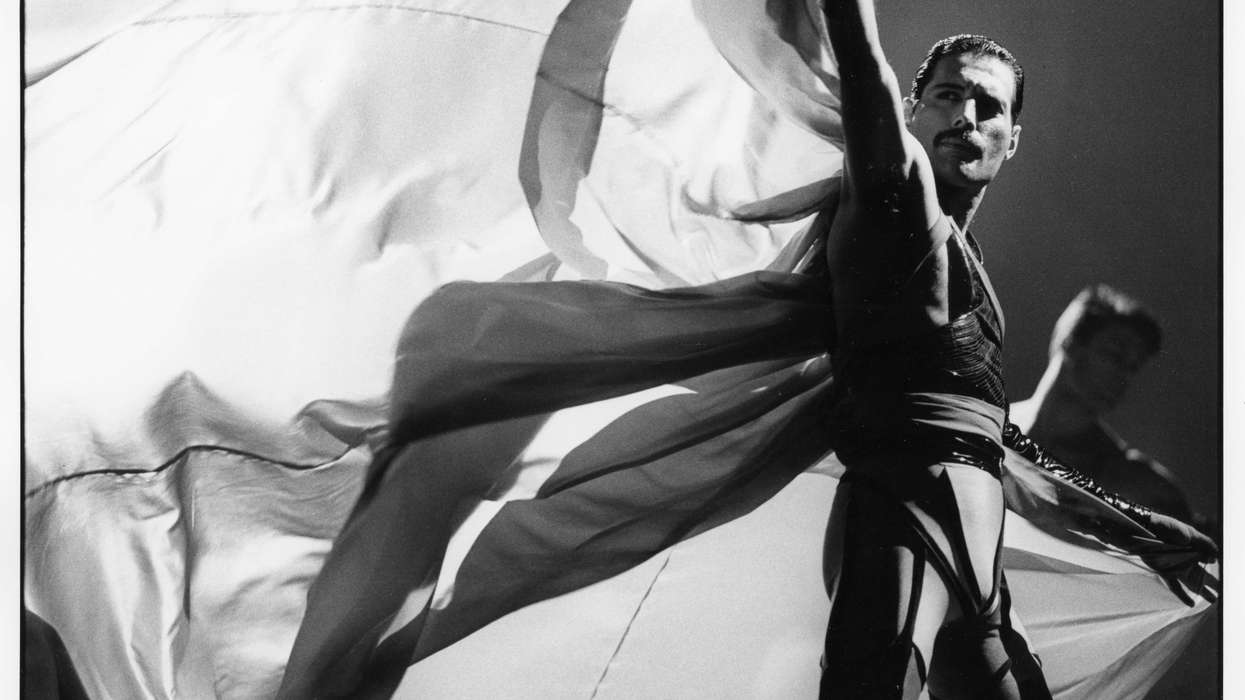
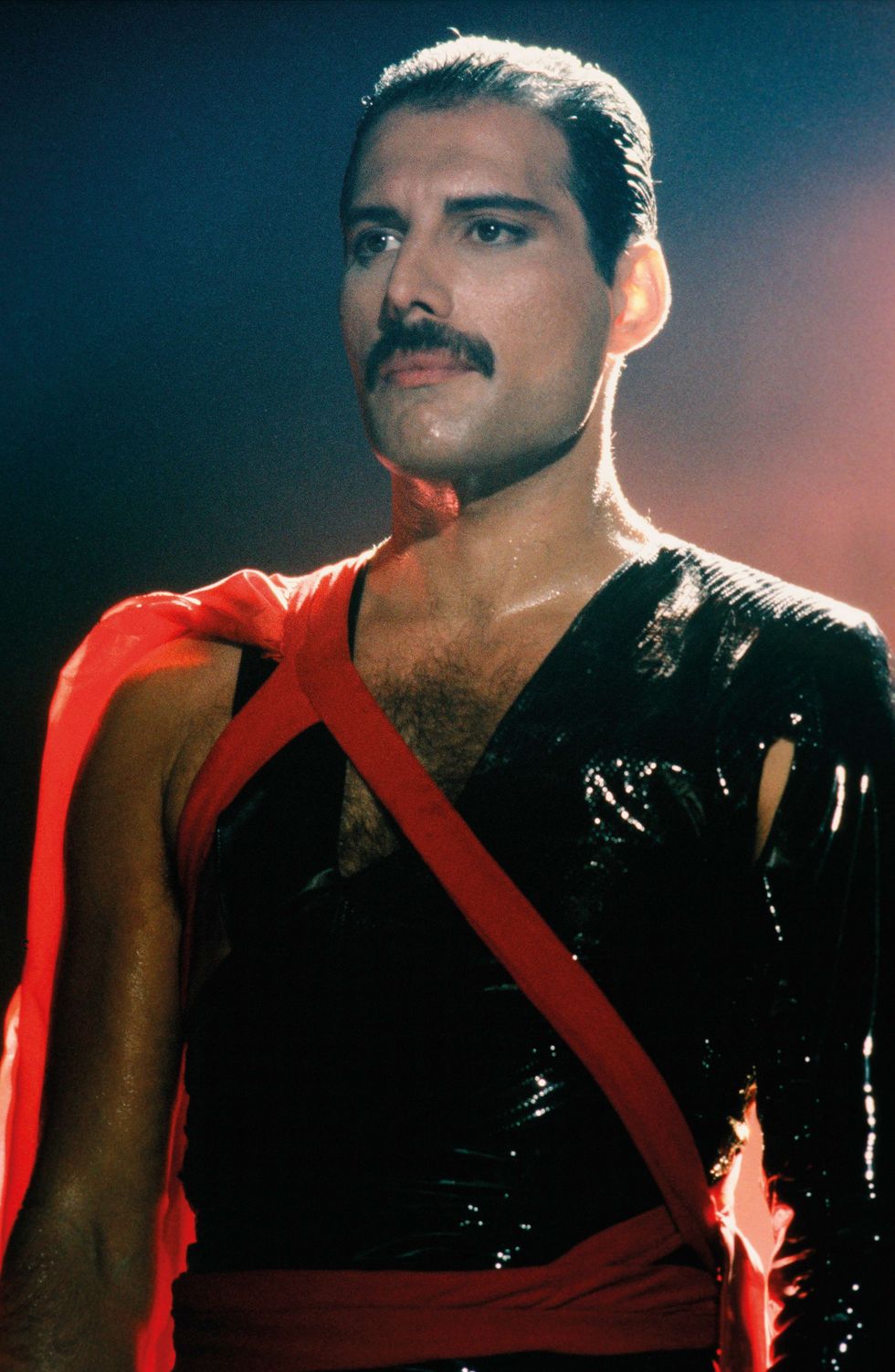 Freddie Mercury in the Made in Heaven music videoSimon Fowler © Mercury Songs Ltd
 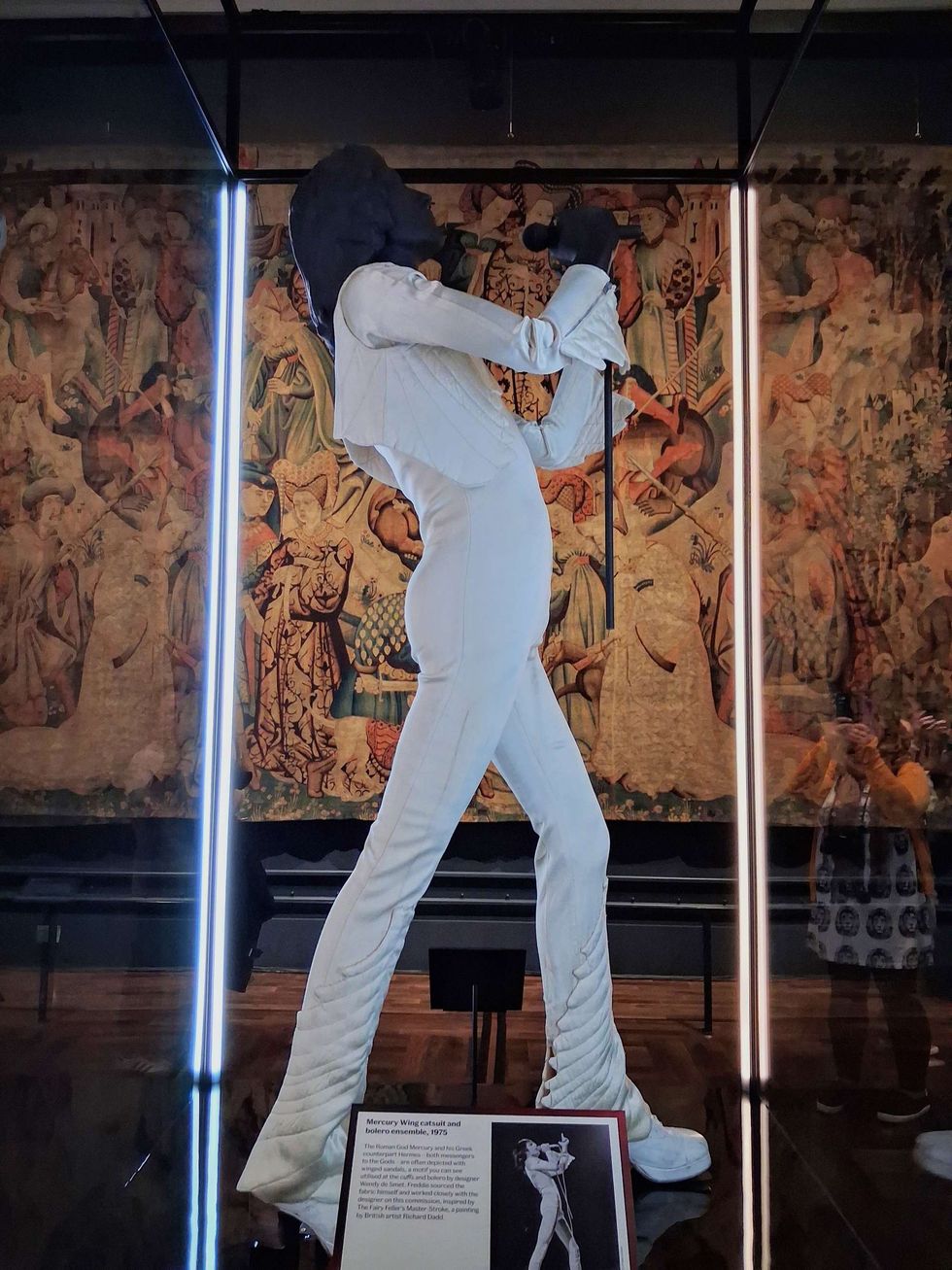 Mercury Wing Catsuit and bolero ensemble (1975)Amit Roy
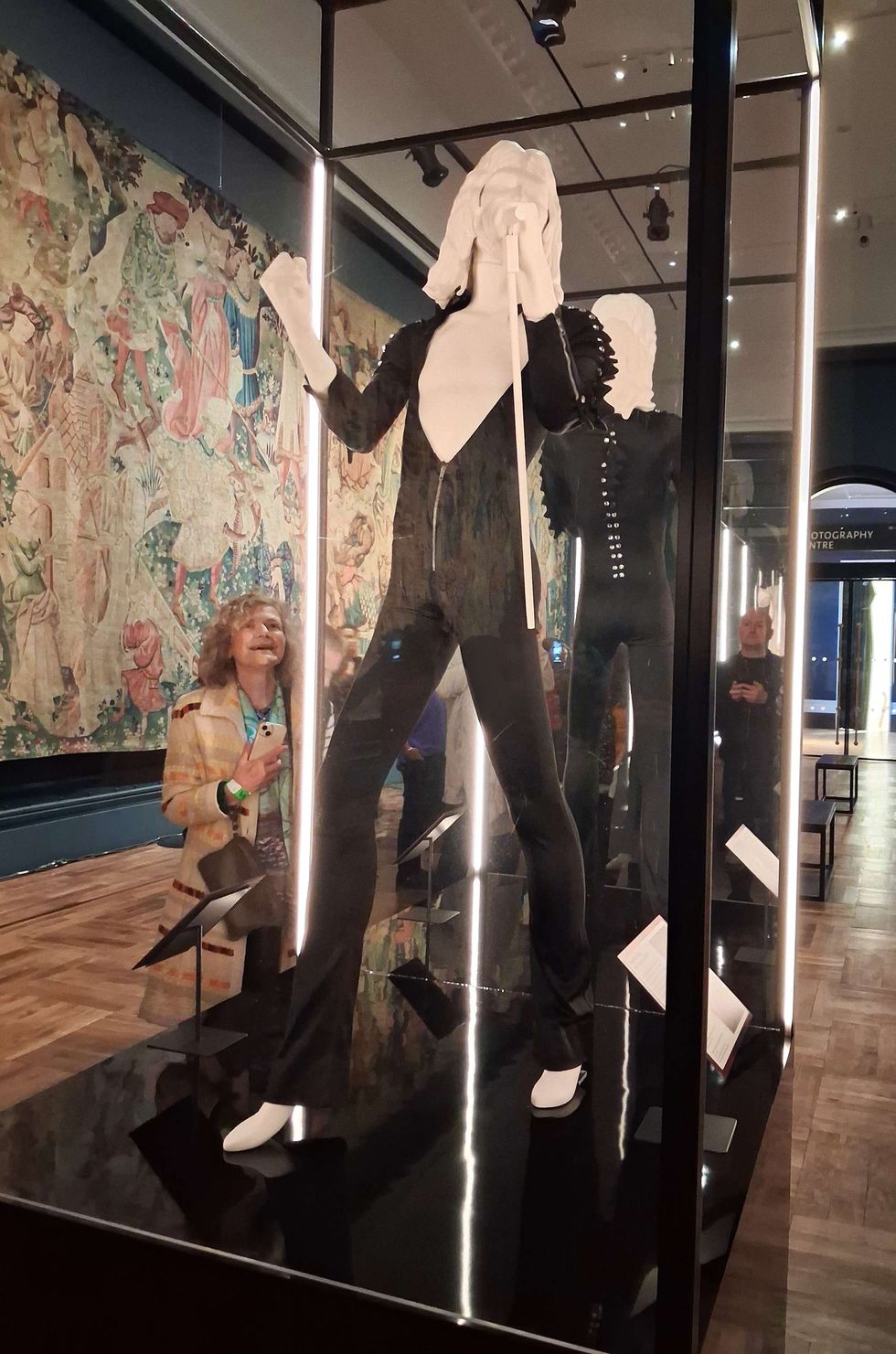 Designer Wendy de Smet with the spine suit or the Black Queen suit from 1975 Amit Roy
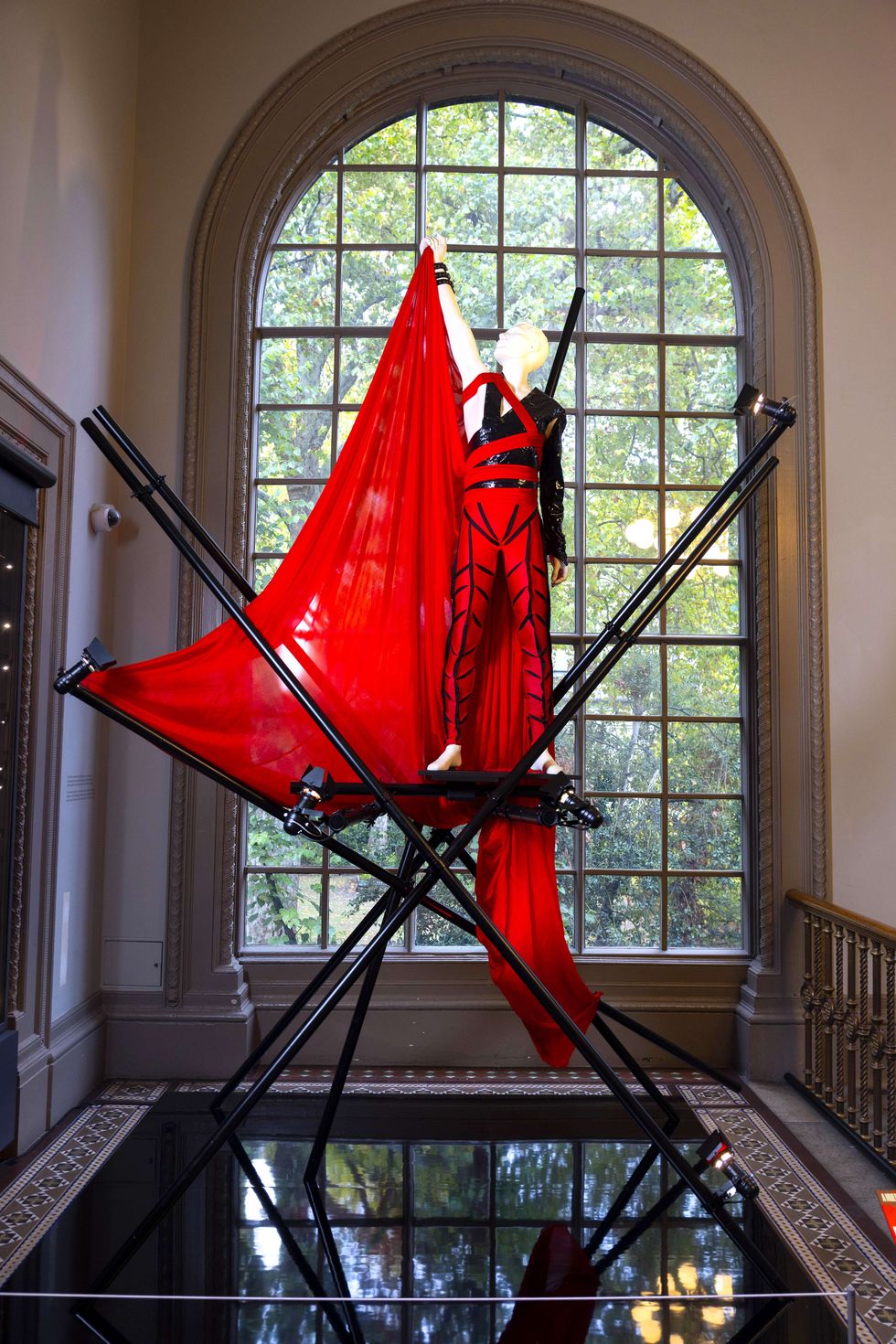 Made in Heaven music video costume (1985) David Parry/V&A
  Japanese jacket (early 1970s)Amit Roy
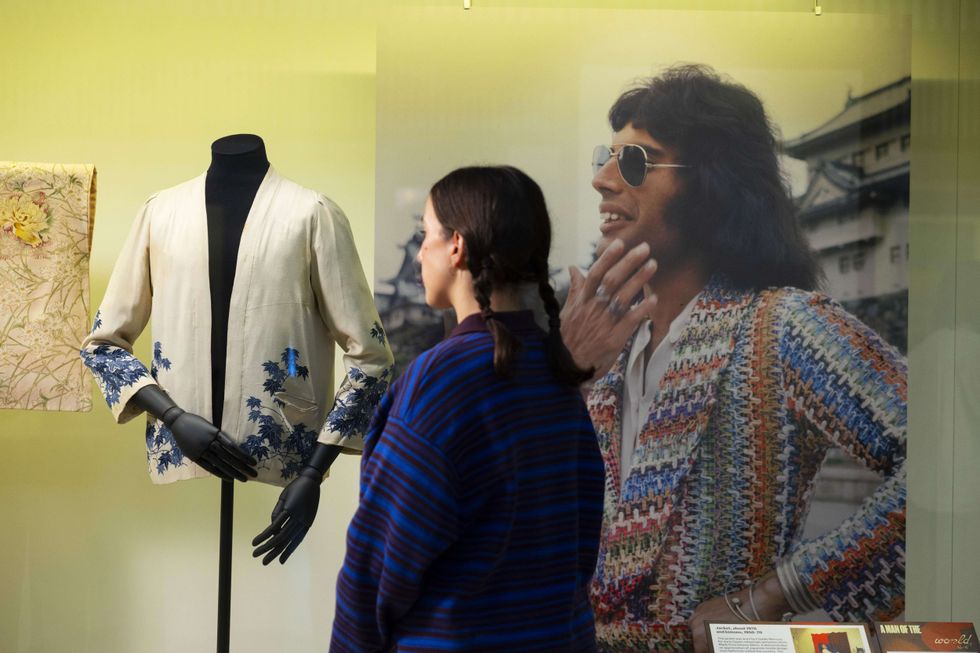 Japanese jacket (early 1970s) and kimono (1950-70) David Parry/ V&A
 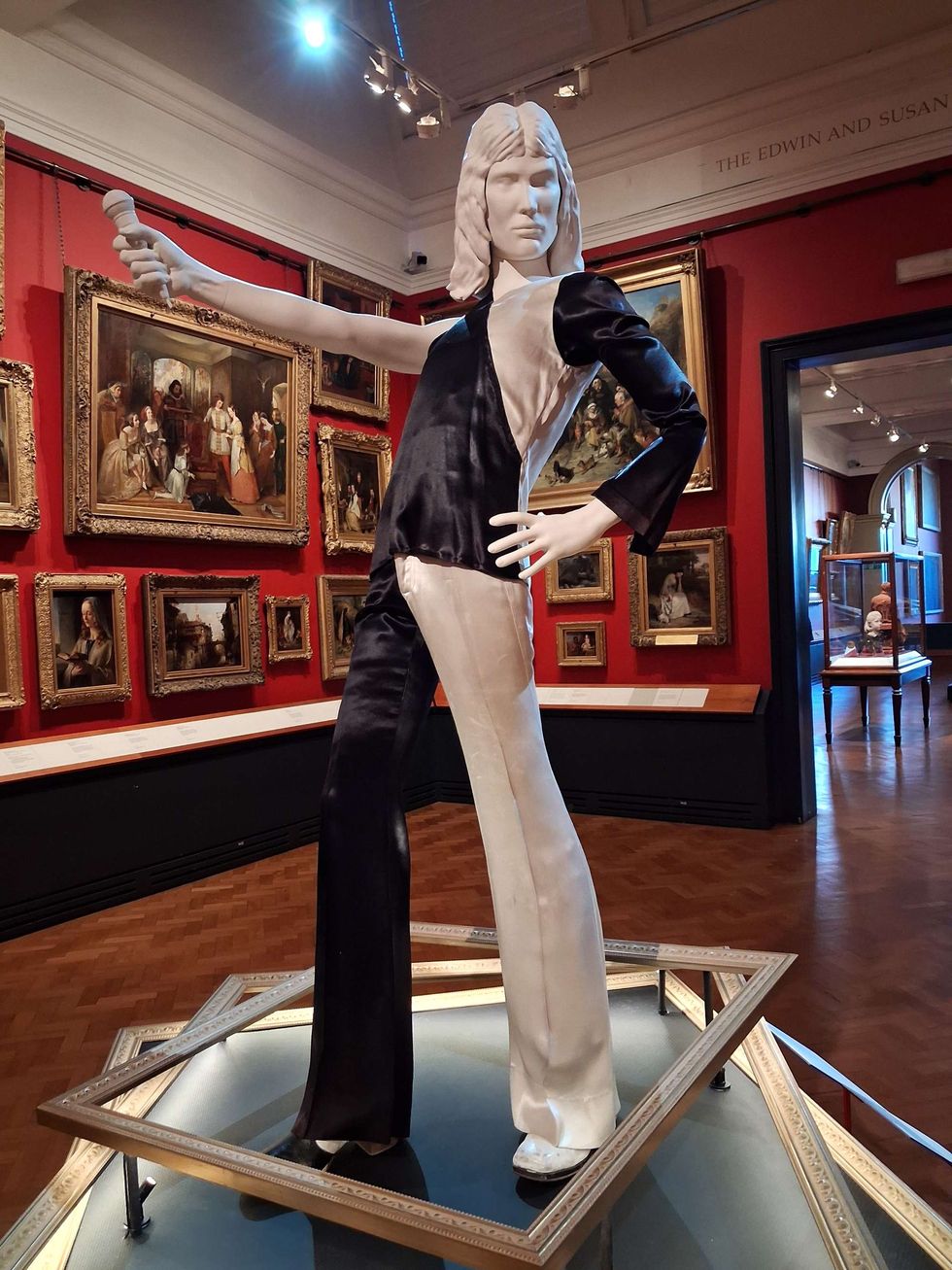 Ensemble worn for Imperial College gig in 1973Amit Roy
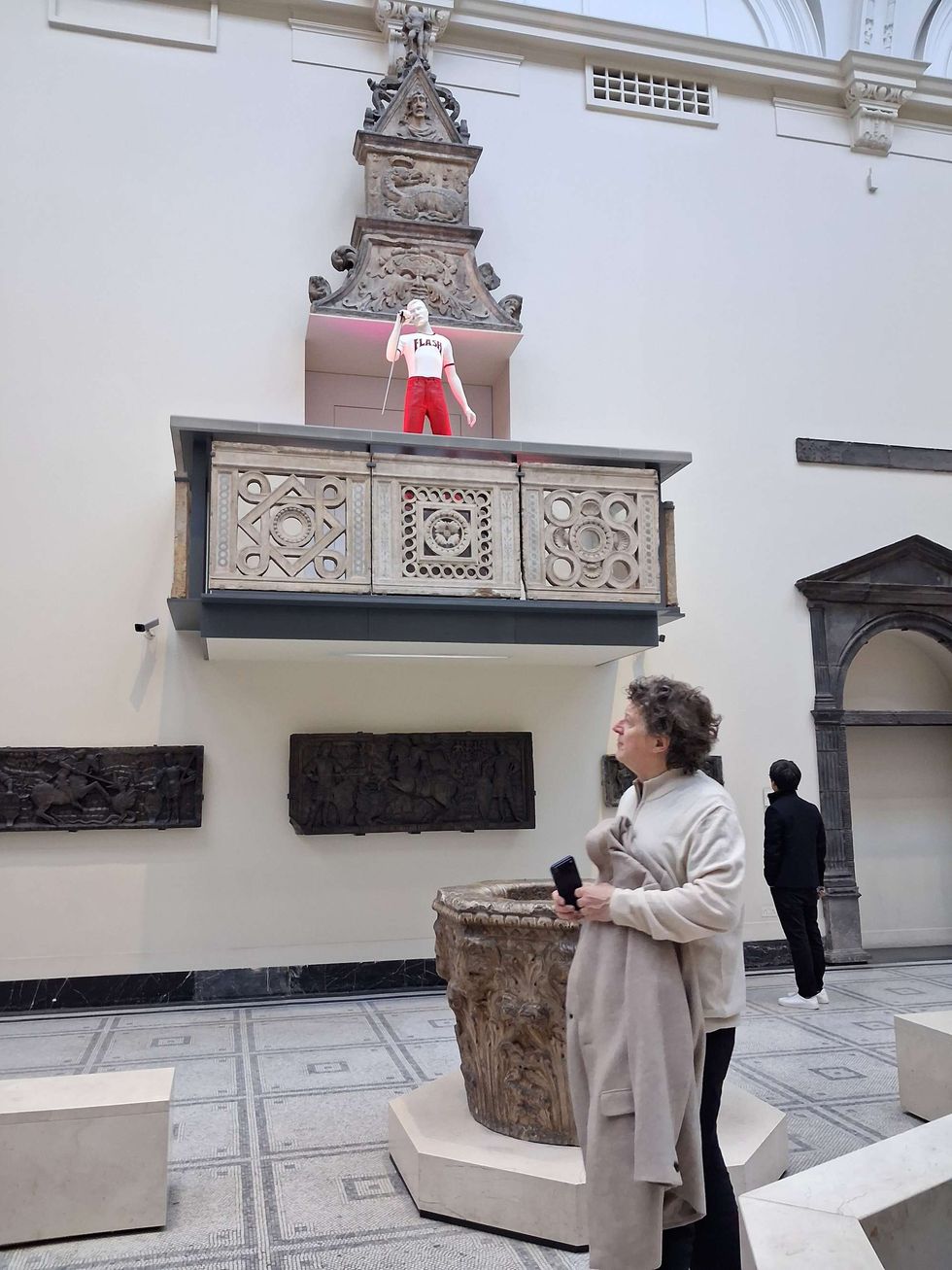 Flash ensemble and half mic (Flash Gordon 1980)Amit Roy
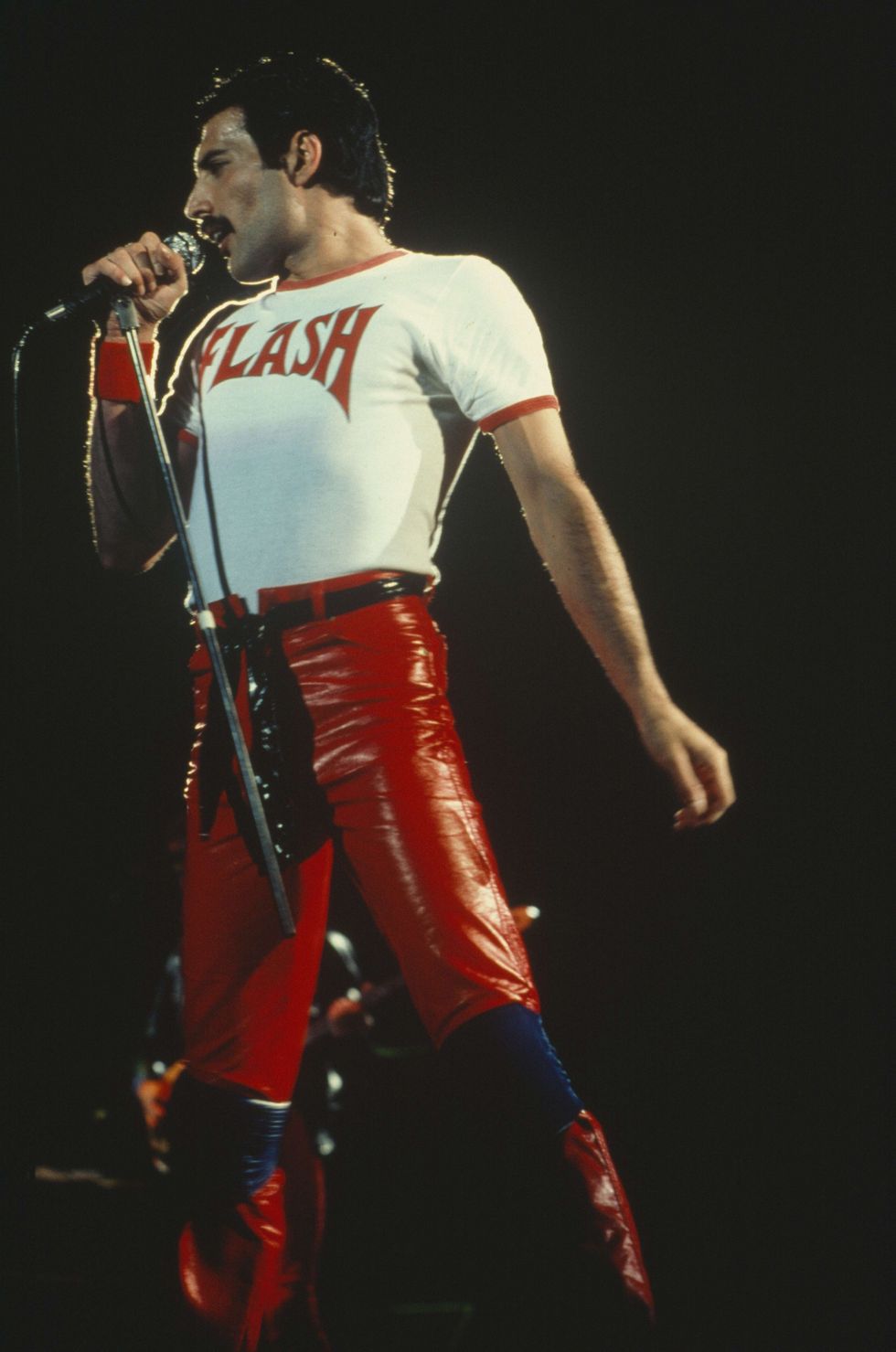 Freddie Mercury performs wearing a 'Flash' t-shirt at Sports Arena in San Diego, California, United States, on 5th July 1980David TanShinko Music/Getty Images
 Cloal and crown ensembleAmit Roy
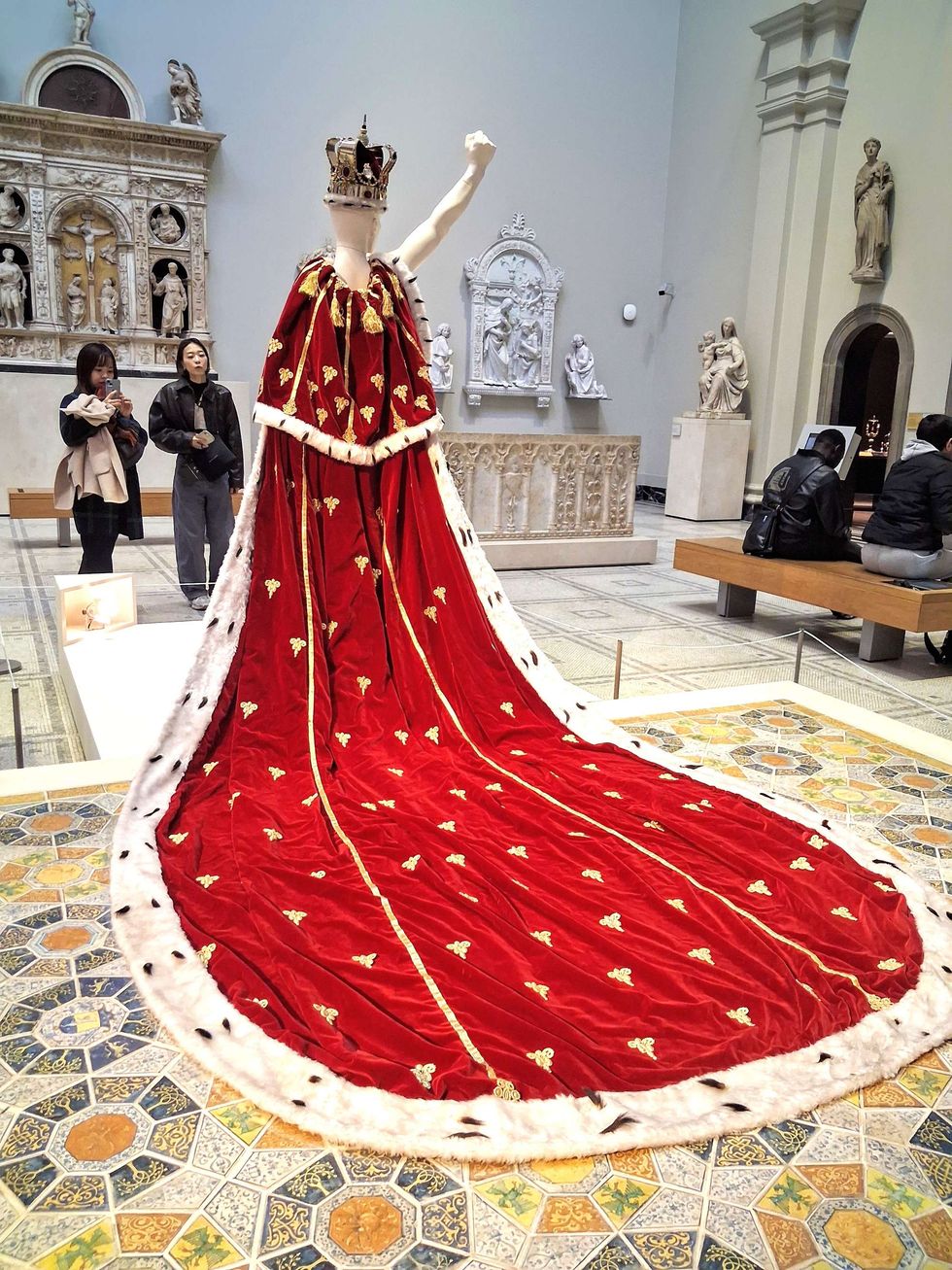 Cloak and crown ensemble (1986)Amit Roy
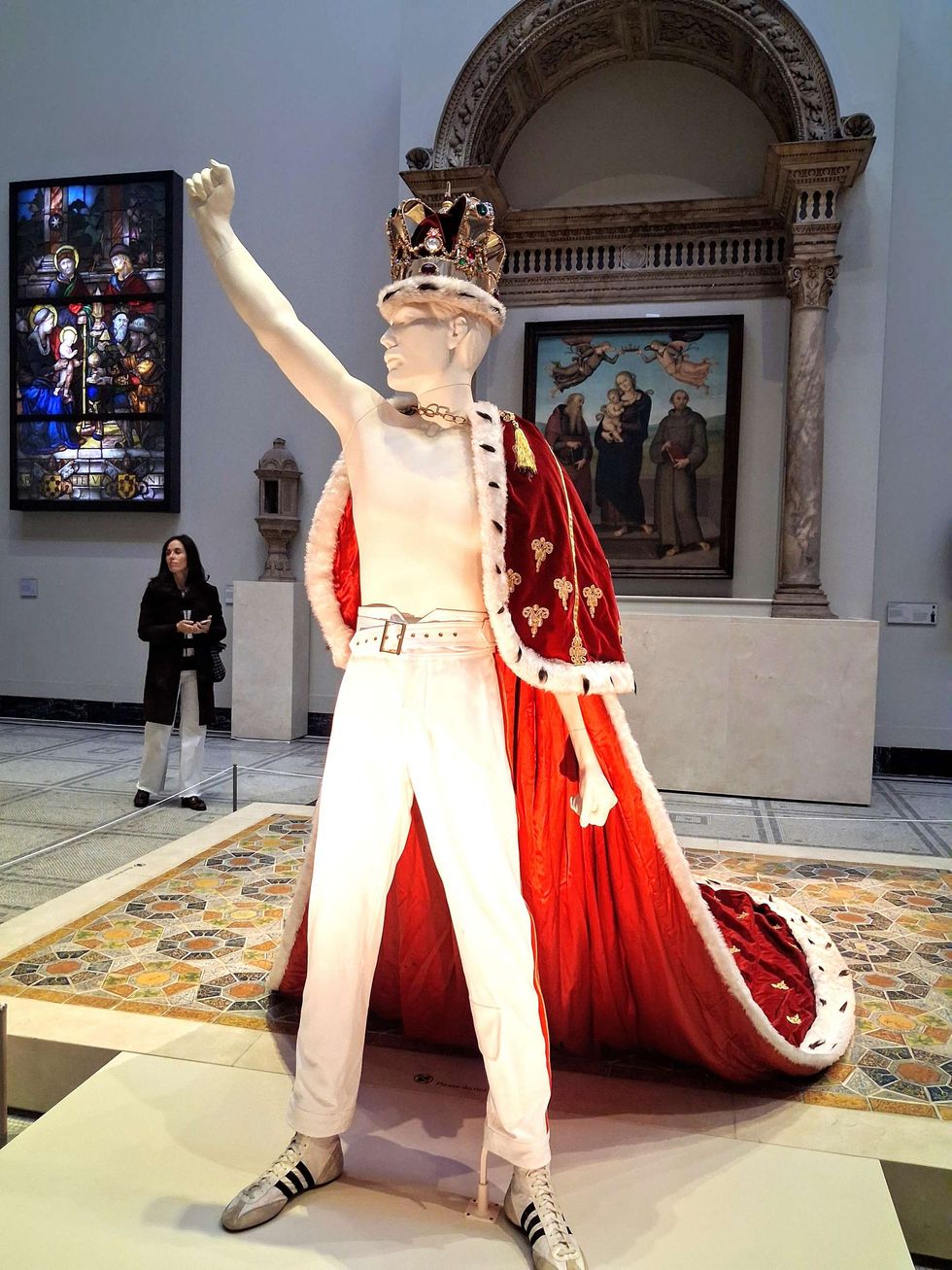 Cloak and crown ensemble (1986)Amit Roy
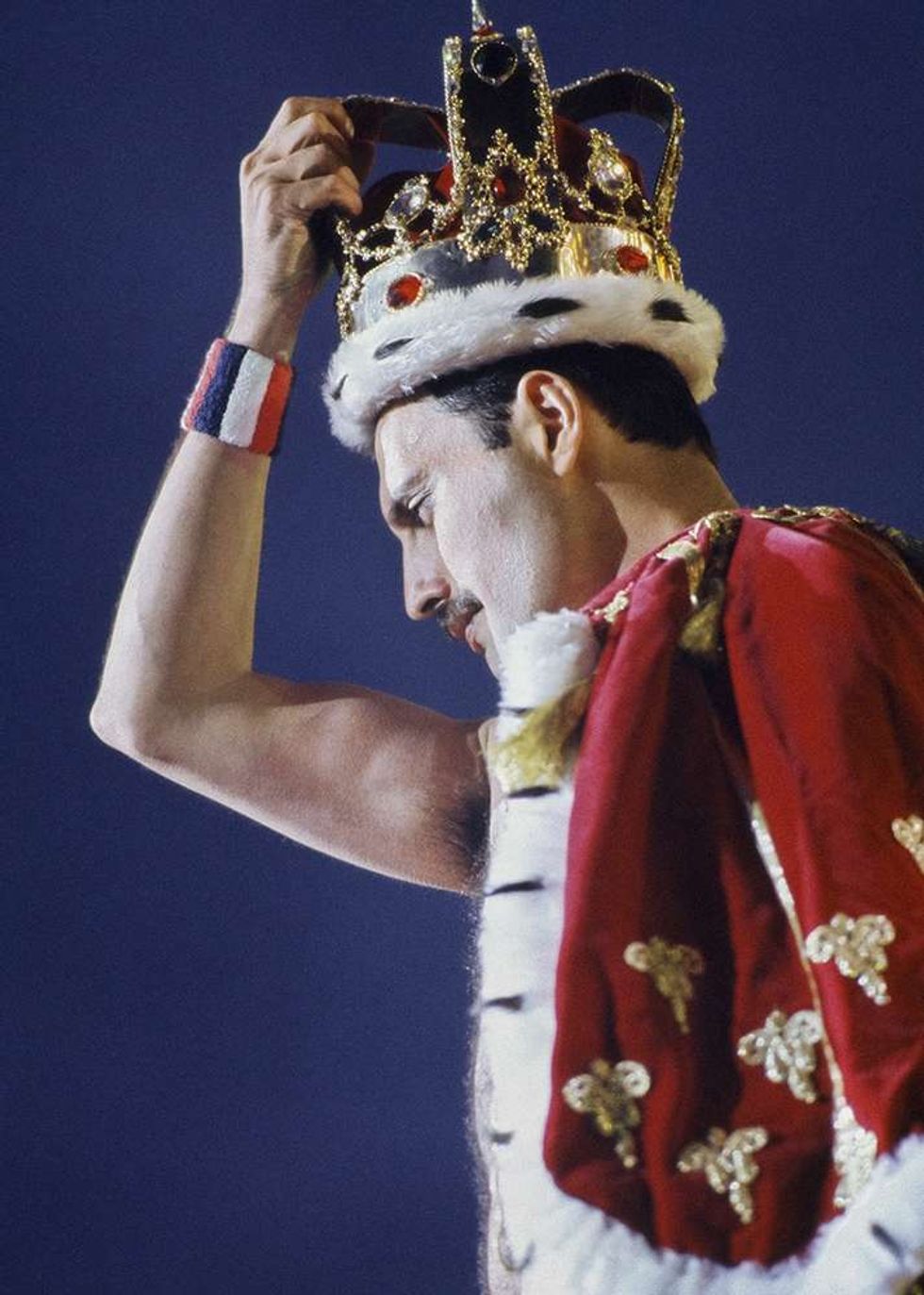 Freddie Mercury, Magic Tour (1986) Denis O’Regan