
Highlights
- Regent Street’s angel lights remain London’s most recognisable display.
- Oxford Street and Selfridges deliver classic spectacle and window storytelling.
- Carnaby Street offers colour, creativity and a lighter crowd.
- Covent Garden works best as a final stop, not a starting point.
- Southbank adds atmosphere if you want space and river views.
London’s Christmas lights aren’t at their best when you’re rushing between shops. They work when you walk, look up, and let the city set the pace. After dark in December, central London softens, and the right streets suddenly feel like Christmas again.
These are the walks that get it right, from the big names to the quieter detours.
 The Christmas light walks in central London that still feel festive Getty Images
- Regent Street: the “Spirit of Christmas” walk
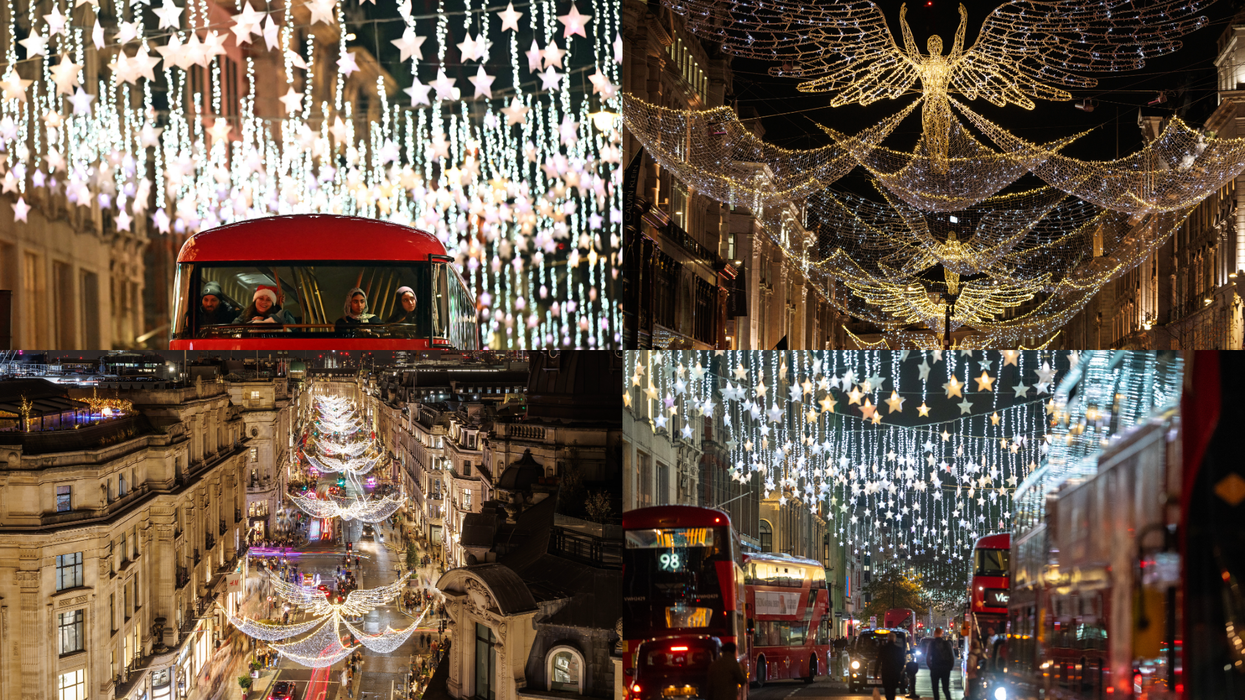
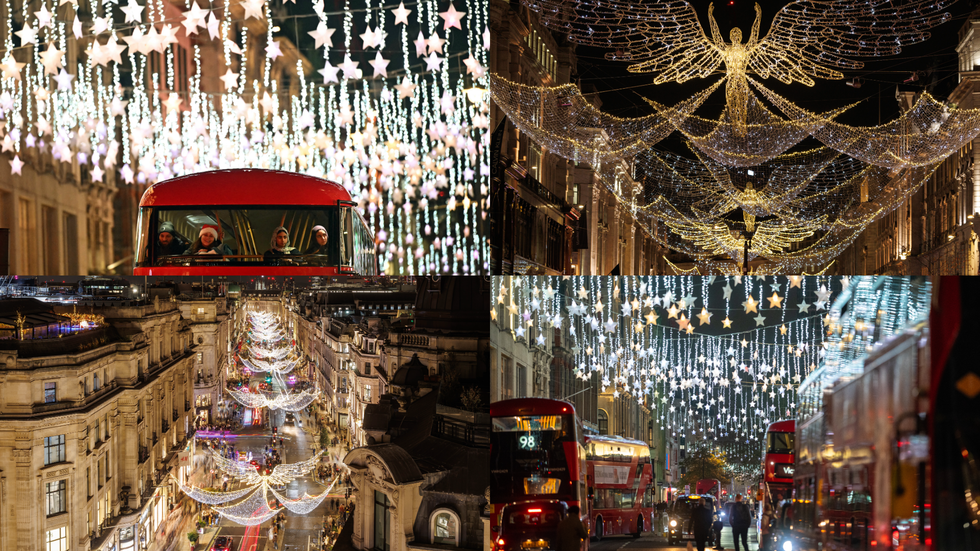
Regent Street sets the tone every year. The angel canopies stretch the full length of the street, suspended above traffic and shoppers, and they’re designed to be seen on foot. Start near Oxford Circus and walk south towards Piccadilly for the best views. Flagship stores light their façades carefully, and there are often small performances or seasonal pop-ups along the way. On select dates, Regent Street hosts its Festive Mile events, when traffic is restricted and the atmosphere lifts another notch.
Best time: just after dusk, before the late-evening rush.
- Oxford Street and the Selfridges windows
Oxford Street is busy, but its star canopy still delivers a sense of arrival. The real pause comes at Selfridges. The department store’s Christmas windows are treated like short films because they’re themed, detailed and deliberately paced. In recent years, the façade has hosted timed light shows in the early evening, which is best for anyone willing to stop rather than rush past. John Lewis nearby adds quieter, story-led displays.
Best route: Bond Street station towards Tottenham Court Road.
- Carnaby Street: “All Is Bright”
Carnaby’s strength is contrast. The lighting here is bold, colourful and playful, with sculptural elements rather than traditional strings. The street is pedestrianised, which immediately softens the experience. Kingly Court and the surrounding lanes add smaller displays and decorated shopfronts, making this feel like a pocket-sized detour rather than a main event.
Best time: early evening, once the LEDs fully stand out.
- Covent Garden: lights, tree and piazza
Covent Garden does Christmas theatrically. A towering tree anchors the piazza, surrounded by oversized baubles, chandeliers and warm white lighting. Market stalls, cafés and street performers fill the space. Seven Dials nearby offers a calmer extension if the main square feels too busy. Also, this works best as a destination at the end of a walk, not the beginning.
Best use: finish your route here.
- Trafalgar Square and Leicester Square
Trafalgar Square’s Norwegian Christmas tree is simple and symbolic, so it's a short but meaningful stop. From there, Leicester Square adds movement with fairy lights, wooden stalls and, in some years, a temporary ice rink and market. It’s lively rather than cosy, but it fits naturally into a West End loop.
Best pairing: Regent Street to Covent Garden routes.
Planning notes
- Allow two to three hours for a full central loop with stops.
- Weeknights are noticeably calmer than weekends.
- Lights usually stay on into early January.
- Comfortable shoes matter more than anything else
The last word?
Don’t treat London’s Christmas lights as a checklist. Pick a route, walk it slowly, and let one street surprise you. The best moments aren’t always the loudest ones, right? It's always that quiet side lane, a shop window you didn’t plan to stop at, or the point when the city finally feels still for a few minutes. That’s when it feels like Christmas.