THE millionaire boss of a successful egg-free confectionery company has denied being responsible for cutting protected trees in Essex.
Sukh Chamdal, the founder of Cake Box, is accused of causing or allowing the felling of at least 132 trees in woodland at Debden Hall for constructing a mansion, according to a Telegraph report.
However, the entrepreneur who appeared in Chelmsford Magistrates’ Court on June 22 pleaded not guilty to the charges brought by Epping Forest District Council.
The construction project involves the demolition of an existing structure and building a new 9000 square feet property for Chamdal in Loughton and the alleged breach of the Tree Preservation Order took place in March 2021. There are four other defendants in the criminal case.
Inspired by his family’s strict lacto-vegetarian diet, Chamdal founded Cake Box in London in 2008 and the company has around 200 stores in the UK which are popular among vegans.
The business is listed on the AIM platform of the London Stock Exchange. It reported revenue of £34.8 million in the year to March with an annual growth of 5.6 per cent.
Cake Box founder denies tree felling charges
Sukh Chamdal is accused of being responsible for cutting 132 trees in Essex





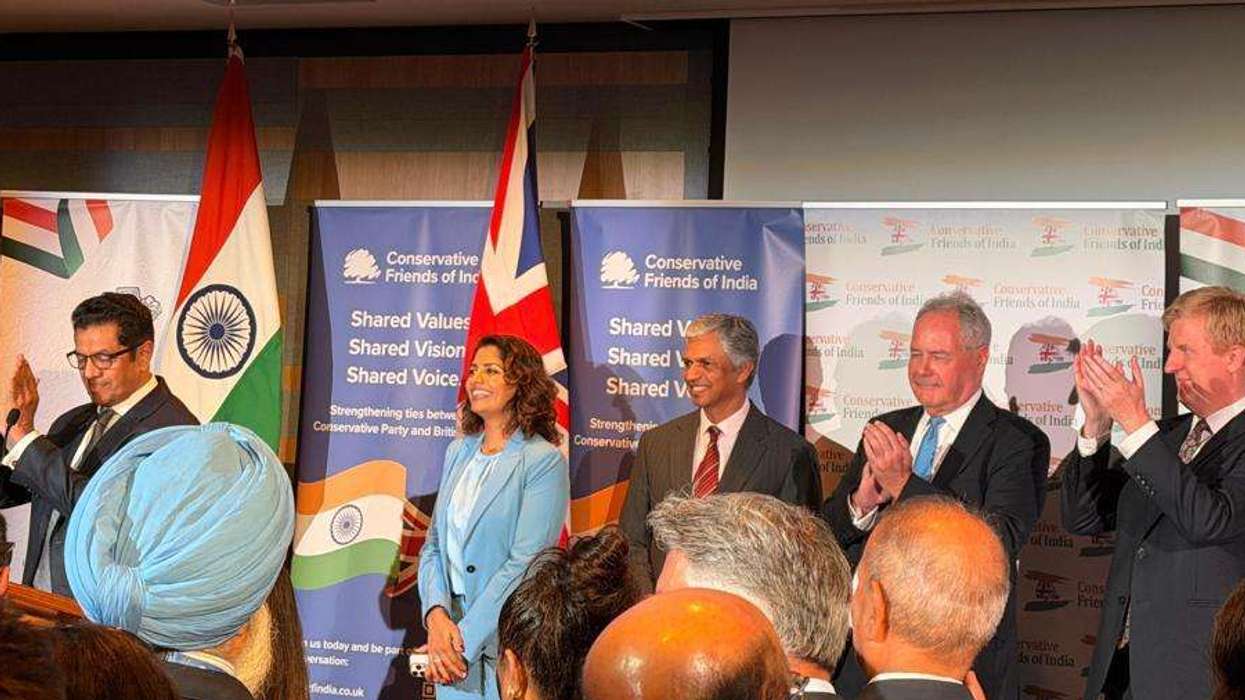
 CFIndia co-chair Dr Koolesh Shah CFIndia
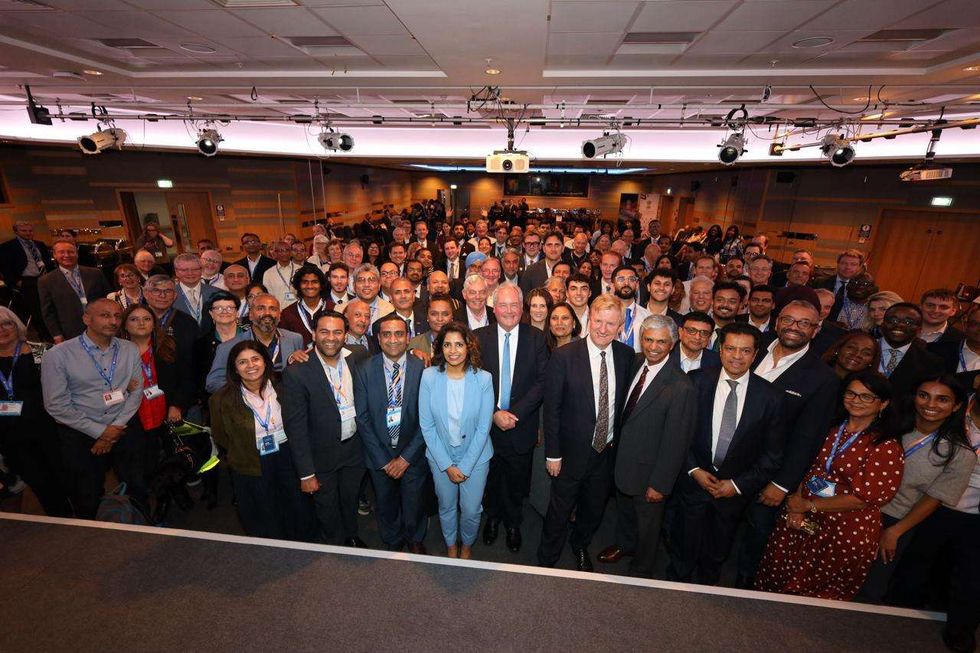 Nearly 500 attended the Conservative Friends of India event.CFIndia
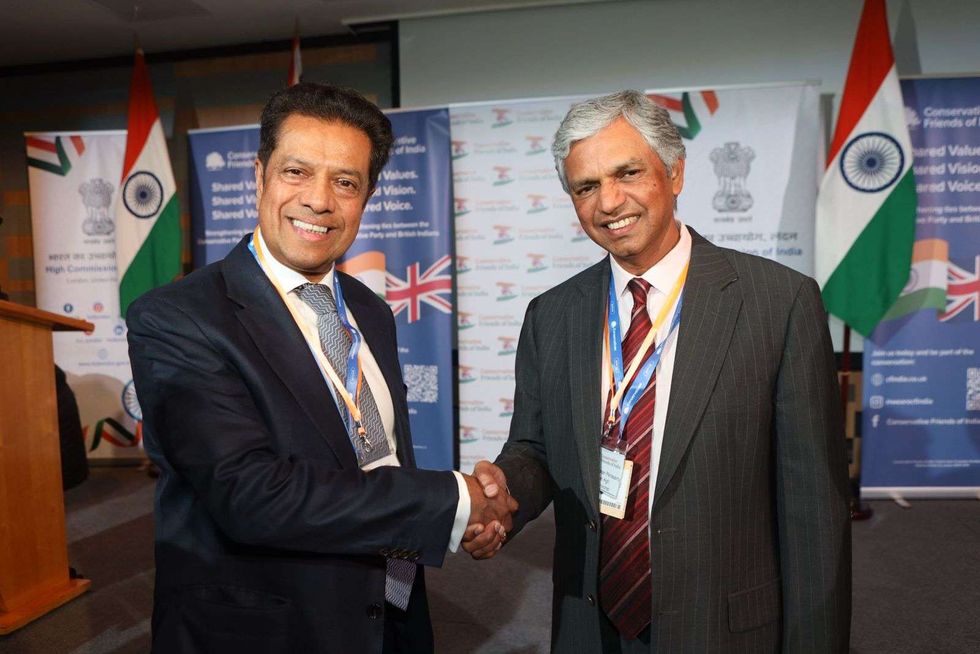 CFIndia co-chair Dr Koolesh Shah with Indian High Commissioner to the UK Kumaran PeriasamyCFIndia