
Highlights
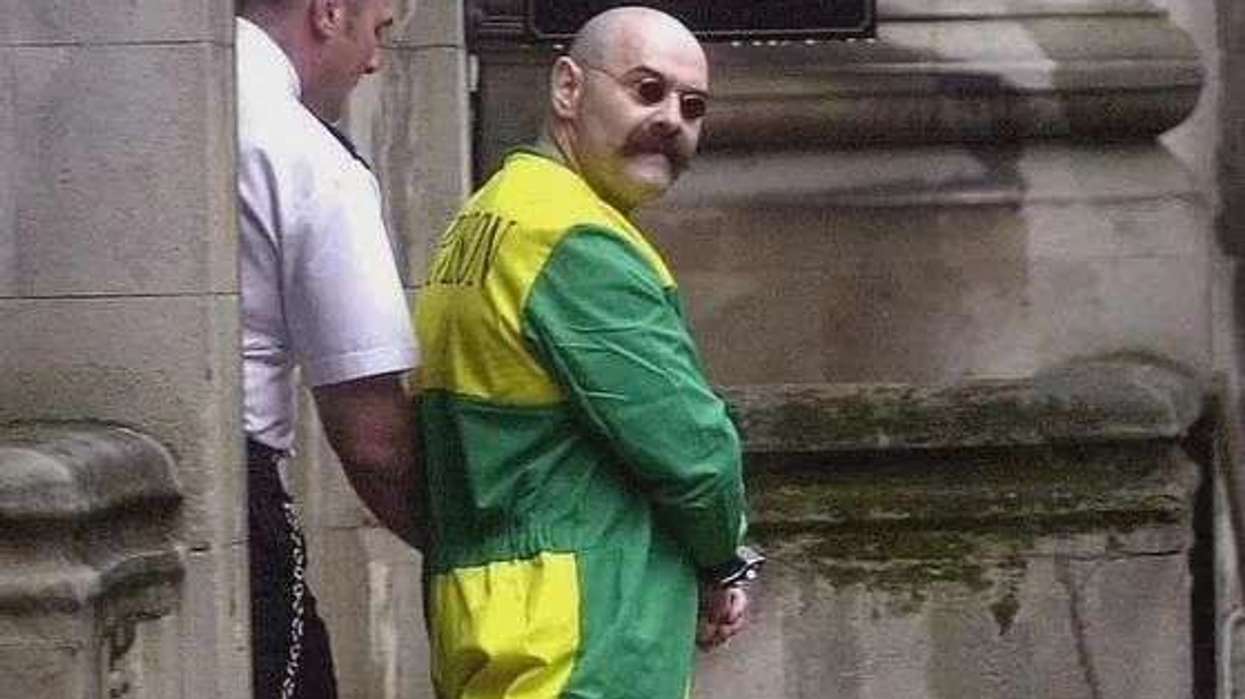
- The 2008 biopic remains one of the most recognisable portrayals of Britain’s most infamous inmate
- Several character beats and incidents closely echo documented moments from his life
- With Charles Bronson back in headlines, the film’s accuracy is being revisited
1. His life as a performance
The film frames Bronson as a man who thrives on attention, often treating prison confrontations like theatre. This aligns with accounts describing his love of spectacle and notoriety.
2. The relentless clashes with prison staff
Repeated altercations shown onscreen reflect a long record of assaults and disciplinary incidents that kept him incarcerated long after his original sentence.
3. The boxing persona
The story emphasises his self-image as a fighter. Bronson frequently leaned into a bare-knuckle, tough-guy identity which shaped both his behaviour and public myth.
4. Long periods in solitary confinement
The stark isolation depicted in the film mirrors reality. Bronson spent extensive stretches segregated, a factor often cited in discussions about his psychology.
5. The name change to Charles Salvador
The film acknowledges his decision to adopt a new name, inspired by artist Salvador Dalí, signalling a desire to reinvent himself beyond his criminal past.
6. Art as a lifeline
Scenes showing him drawing reflect how art became one of his primary outlets. His sketches and paintings have circulated publicly for years.
7. The dark humour
Tom Hardy captures the strange mix of menace and wit often noted in Bronson’s letters and interviews, a duality that fuels ongoing fascination.
8. The cult-like notoriety
By presenting him as both feared and oddly charismatic, the film mirrors the real public perception of Charles Bronson, whose story continues to spark debate decades into his imprisonment.