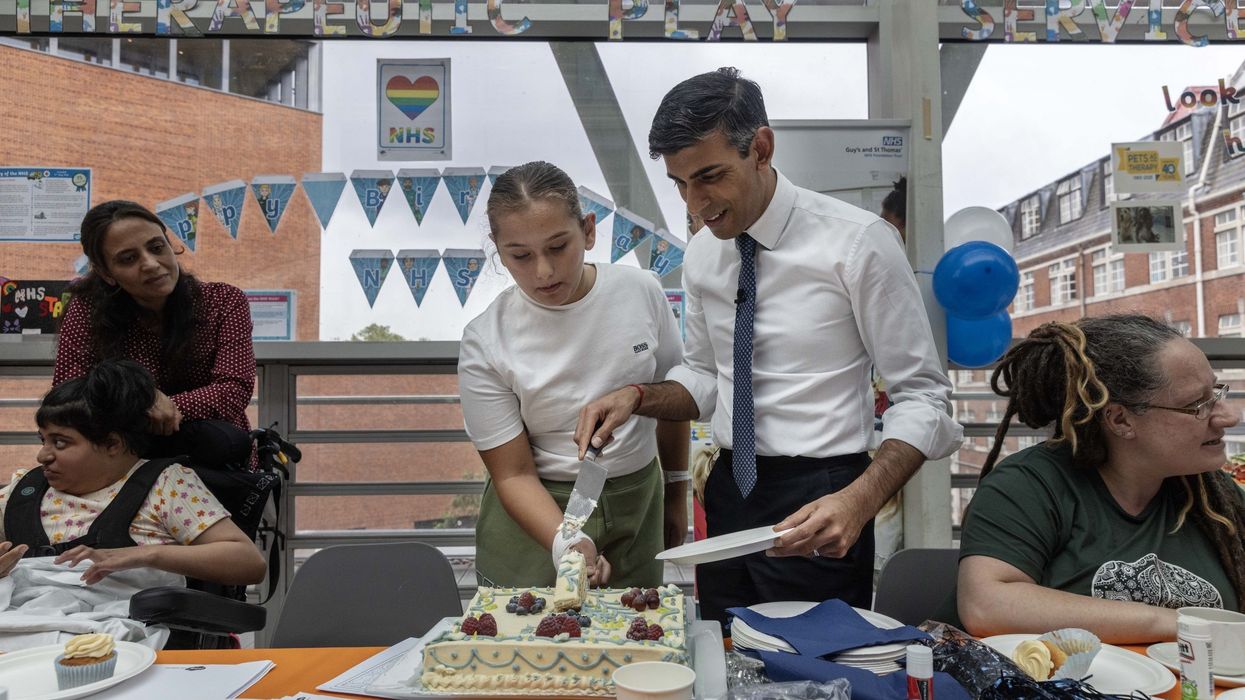

Britain celebrates 75 years of its National Health Service (NHS) on Wednesday (05), with royals, politicians, staff, and patients who all express pride in its past and a firm determination that it will endure in the future, despite the challenges it currently faces.
Launched on July 5, 1948, by a Labour government in the aftermath of the Second World War, the NHS was established with the aim to ensure "everybody, irrespective of means, age, sex or occupation shall have equal opportunity to benefit from the best and most up-to-date medical and allied services available."
A former minister once made a remark acknowledging that the NHS is considered by many as the closest thing the English have to a religion, highlighting the widespread affection for the service and its dedicated workforce.
"For 75 years, the NHS has existed for an enduring moral purpose: To give every single person in our country the security that comes from knowing that if you're sick, you will be cared for," prime minister Rishi Sunak said in a speech last week.
But in recent years, the NHS has found itself needing emergency care, struggling to keep up with patient demands, an increasingly elderly and sickly population, and the cost of new medicines and treatments.
The Covid-19 pandemic added another layer of strain onto an already creaking system, and the commemorations come after a winter of crisis followed by strikes over pay by junior doctors, nurses and healthcare workers.
While some workers have now accepted pay offers, senior doctors have also recently voted for walkouts.
A comfort blanket
Sunak has expressed his objective of reducing waiting lists, emphasising his commitment to this goal.
Last week, the NHS presented a new long-term workforce plan, outlining its strategy to ensure the sustainability of the service in the years to come.
On Wednesday, a gathering of political and health leaders will take place at Westminster Abbey to commemorate the occasion.
In Scotland, King Charles has also marked the event. Additionally, Prince William hosted a tea party for NHS staff and patients.
"Wishing everyone a very happy 75th birthday of the NHS," William said, and his wife Kate added: "thank you so much for all you do."
Among those invited was Aneira Thomas, who was the first baby born on the NHS and was named after its founder, health minister Aneurin Bevan. She was born at a minute past midnight on July 5, 1948.
"It was a turning point in history for the health of Great Britain," she said, adding that the NHS had saved the life of both of her children after brain haemorrhages.
"After the horrors of the war, Great Britain was broken. So, to have a National Health Service come into fruition, was like throwing a comfort blanket around the people of Great Britain."
(Reuters)





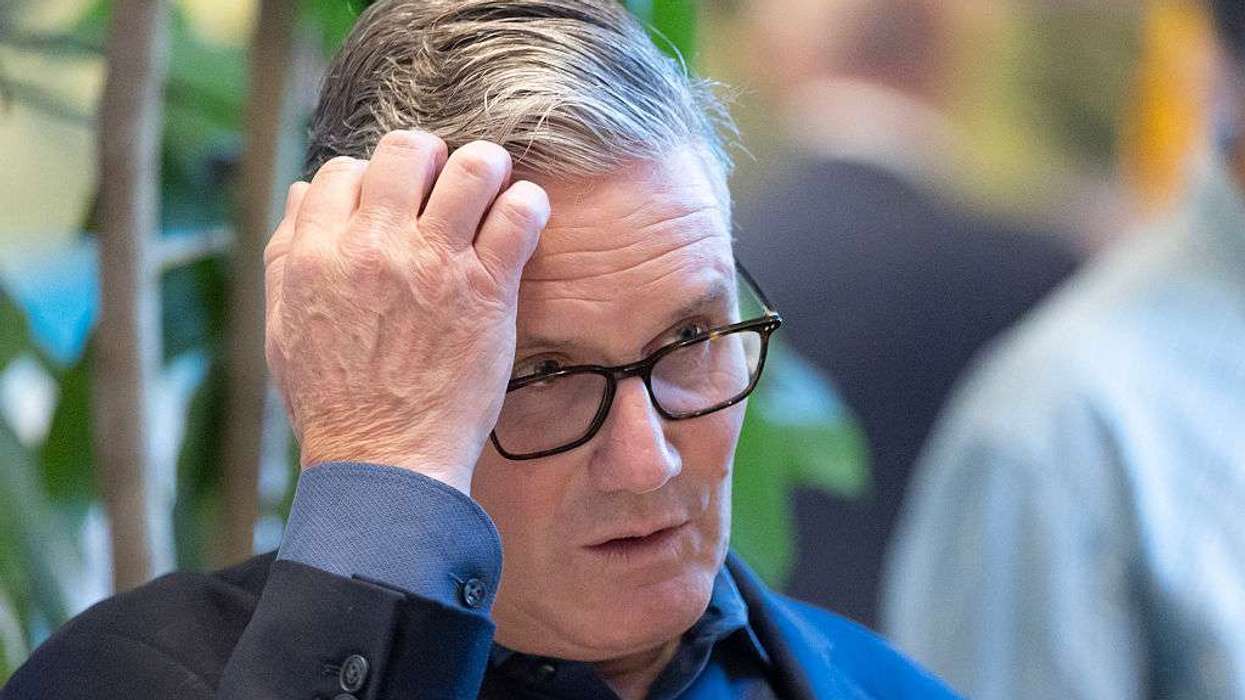 Prime minister Keir Starmer talks with local residents as he visits a housing development on June 19, 2026 in London, England. (Photo by Peter Macdiarmid -WPA Pool/Getty Images)