
A COUPLE of years ago, Eastern Eye’s Arts, Culture & Theatre Awards introduced a category for the best history book. It was won by Prof Joya Chatterji’s brilliant Shadows at Noon: The South Asian Twentieth Century.
Last year, the prize went to another outstanding book – Courting India: England, Mughal India and the Origins of Empire by Prof Nandini Das.
Before the history category existed, Sathnam Sanghera won the ACTA for non-fiction for Empireland: How Imperialism Has Shaped Modern Britain.
 Jinnah and the Break-Up of British India.
Many young British Asians are studying history at university. Others are reading history, either for pleasure or to learn more about the twists of world events that brought them to the UK.
When it comes to suggesting history books that might be of interest to Eastern Eye readers, there is currently almost an embarrassment of riches.
 The covers of other recommended books.
The economist Lord Meghnad Desai, who died last summer, was a prolific and provocative author. His wife, Lady Kishwar Desai, gifted Eastern Eye a copy of Mohan and Muhammad: Gandhi, Jinnah and the Break-Up of British India, her husband’s last book which came out after his death.
According to the publishers in India, Rupa Publications, “Meghnad Desai has taken the two principal personalities – Mohandas Gandhi and Muhammad Ali Jinnah, now thought to be the two principal antagonists of the (freedom) struggle – to bring out the similarities and parallels in their lives, their views and their interactions”.
 The covers of other recommended books.
Desai, always readable, left a message in his introduction: “For the generation growing up now, it will come as a surprise that once, Gandhi and Jinnah fought together from the same platform for the freedom of India – and the country they were both born in – indeed in the same province of Gujarat. I have tried to tell the story of India’s struggle for independence in which these two Gujarati young men – both barristers from London collaborated, negotiated and discussed till the bitter end when independence came, but with Partition.”
 The covers of other recommended books.
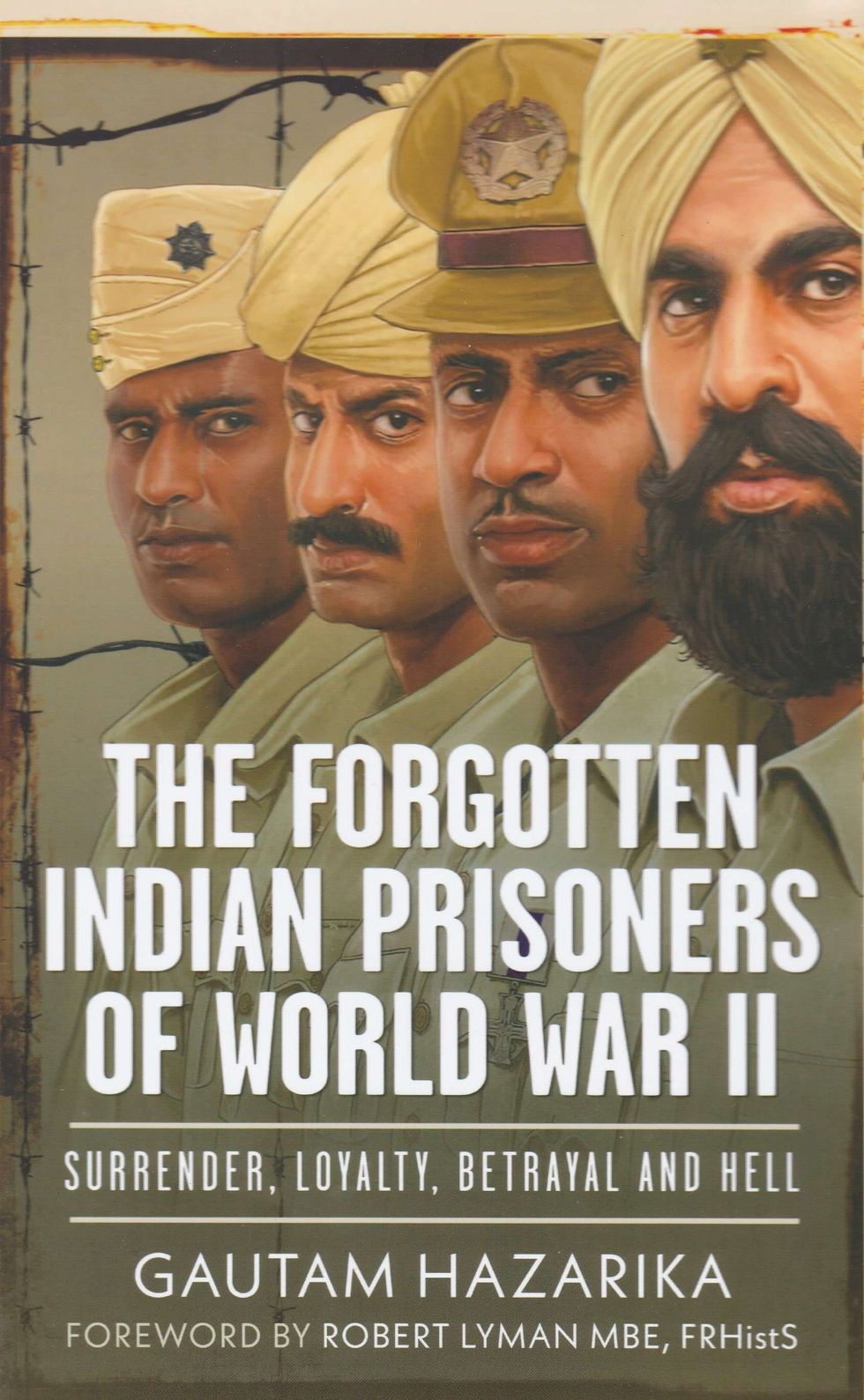
Gautam Hazarika, a Singapore-based banker turned writer, has shone a light on a topic that is not much covered in The Forgotten Indian Prisoners of World War II: Surrender, Loyalty, Betrayal and Hell.
The book, published by Pen & Sword, states: “India’s INA (Indian National Army) history is largely focused on Netaji. Indeed, he did a lot, but he had a lot of help. The book shows that the INA was not started by him, but 18 months earlier by the little-known Captain Mohan Singh. Without Singh there would have been no Netaji legacy.”
The author says: “Through 4 episodes, the stories of Major Misra, Major Ram Sarup, Flying Officer Latif, Major Pritam Singh, Havildar Shiv Charan Singh & Havildar Abdullah Khan have been told for the first time…..coincidentally the heroes turned out to be 2 Sikhs, 2 Muslims and 2 Hindus.”
 The covers of other recommended books.
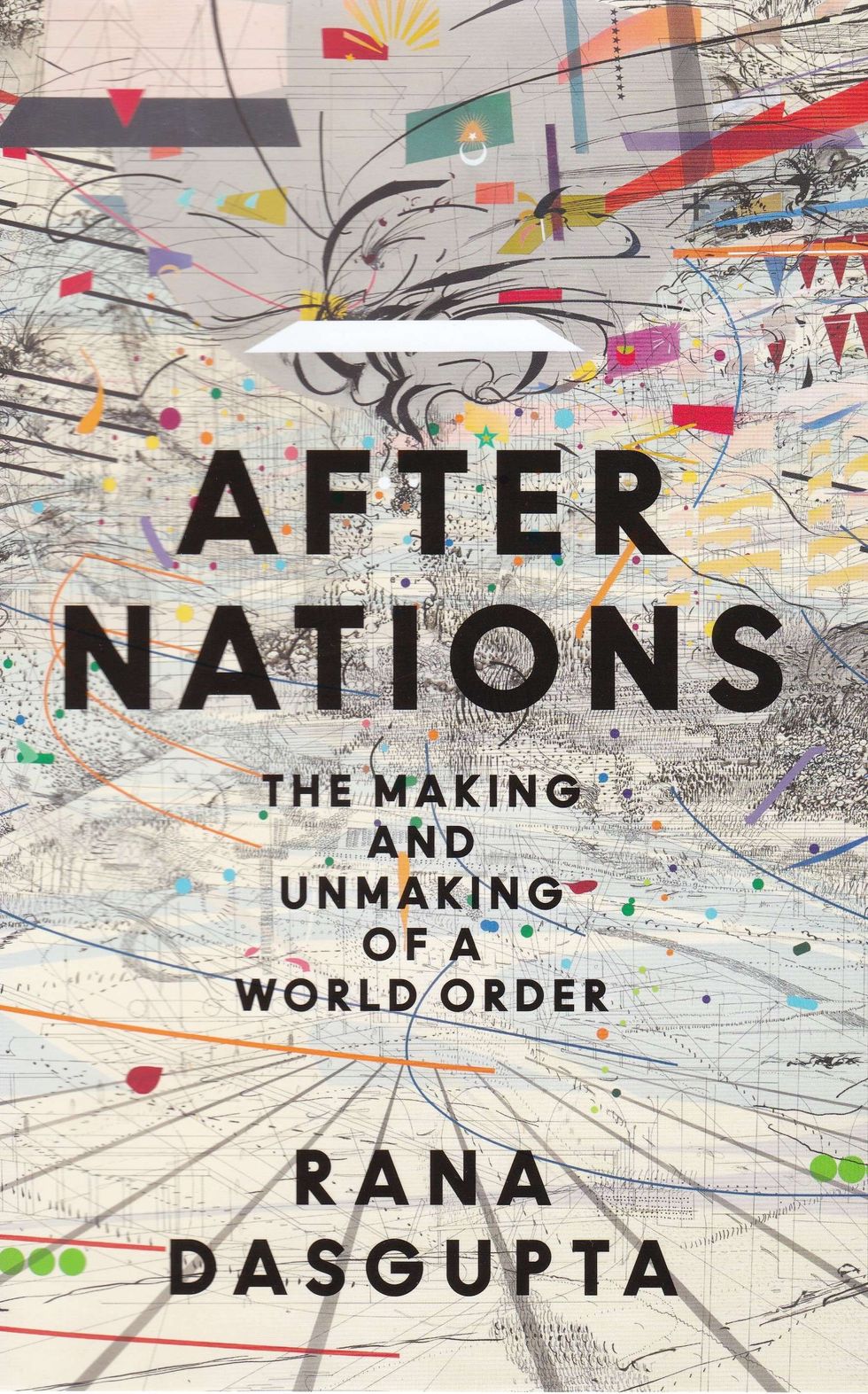
Rana Dasgupta’s After Nations: The Making and Unmaking of a World Order, brought out by William Collins, has been very well received. The Financial Times, for example, praised “this remarkable scholarly and ambitious survey”.
Dasgupta, a novelist and essayist born in Canterbury to an Indian father and an English mother, asks: “What has happened to the nation-state?”
He makes the point that “in 1900, only about 25 per cent of the world’s population lived in a recognisably ‘national’ state, of which there were no more than 50 – compared to nearly 250 today. These were concentrated in Europe and Latin America. In Asia, we might count six – Japan, Siam, Nepal, Bhutan, Afghanistan and Persia. Africa boasted two: Liberia and Ethiopia.
“The rest of the world comprised colonial possessions of the European states and Japan, a few large land empires, and many small principalities. Technically, the destiny of eight-tenths of humanity was controlled by just eleven rulers: the Chinese, Russian, Austro-Hungarian and Ottoman emperors, and the political heads of Britain, France, Germany, the Netherlands, Italy, Japan and the US.
“But everything changed in the twentieth century. Under the especial influence of the US, the political system was standardised, and a single administrative form extended to the world. With very few exceptions, an end was declared, not only to empires, but also to city-states, duchies, principalities, emirates, sultanates, caliphates, khanates, agencies, princely states, colonies, suzerains, dependencies, mandates, tributaries, condominia and protectorates.”
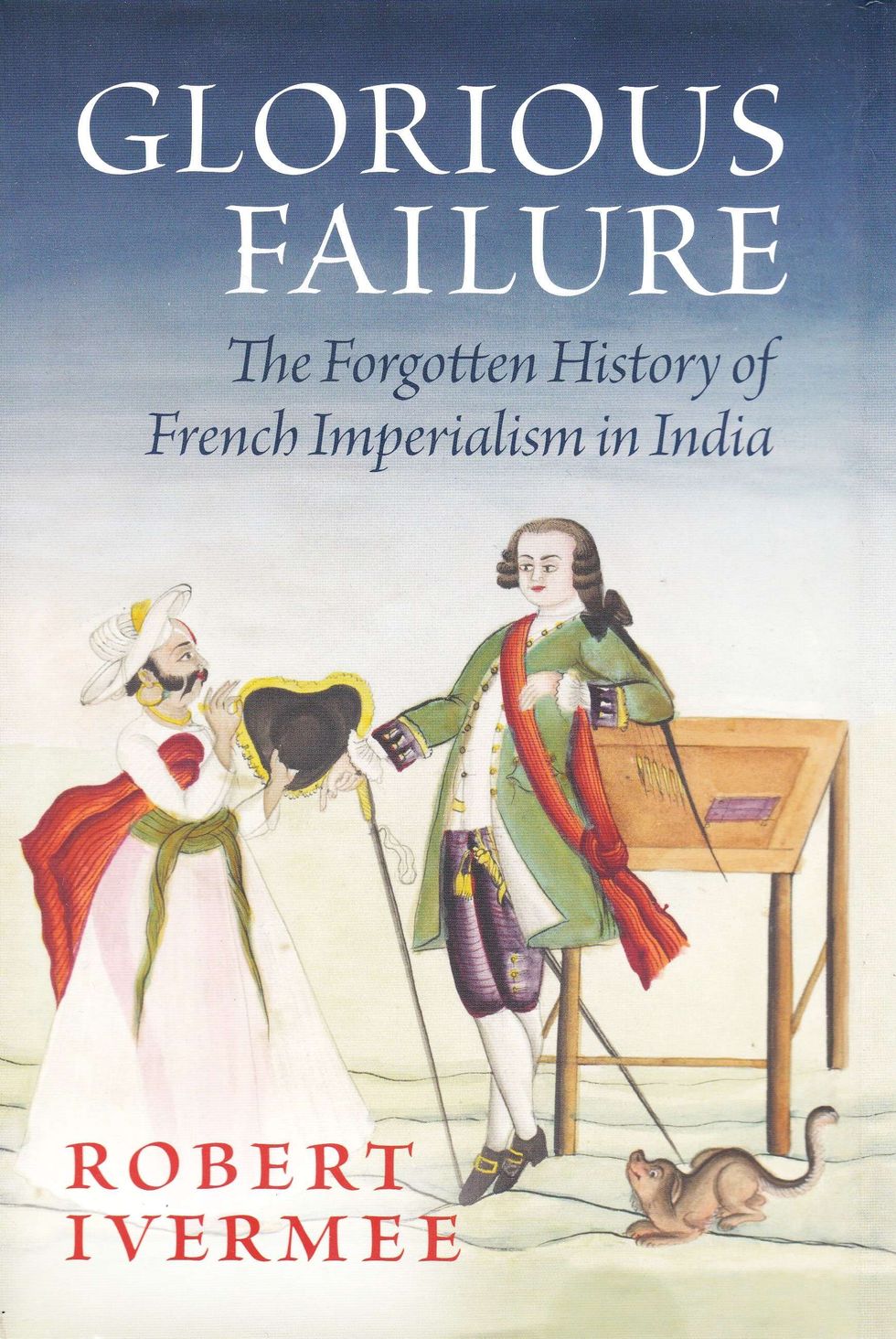
Another unusual book is Robert Ivermee’s Glorious Failure: The Forgotten History of French Imperialism in India, published by Hurst.
Ivermee, an associate professor at Sciences Po Grenoble, has provided “a powerful new account of a chapter in history that is crucial to understand, yet often overlooked. For 150 years, from the reign of Louis XIV to the downfall of Napoleon, France was an aggressive imperial power in South Asia, driven by the pursuit of greatness and riches. Through their East India company and state, the French established a far-reaching empire in India, only to see their dominant position undermined by conflict with Indian rulers, competition from other European nations, and a series of fatal strategic errors.”
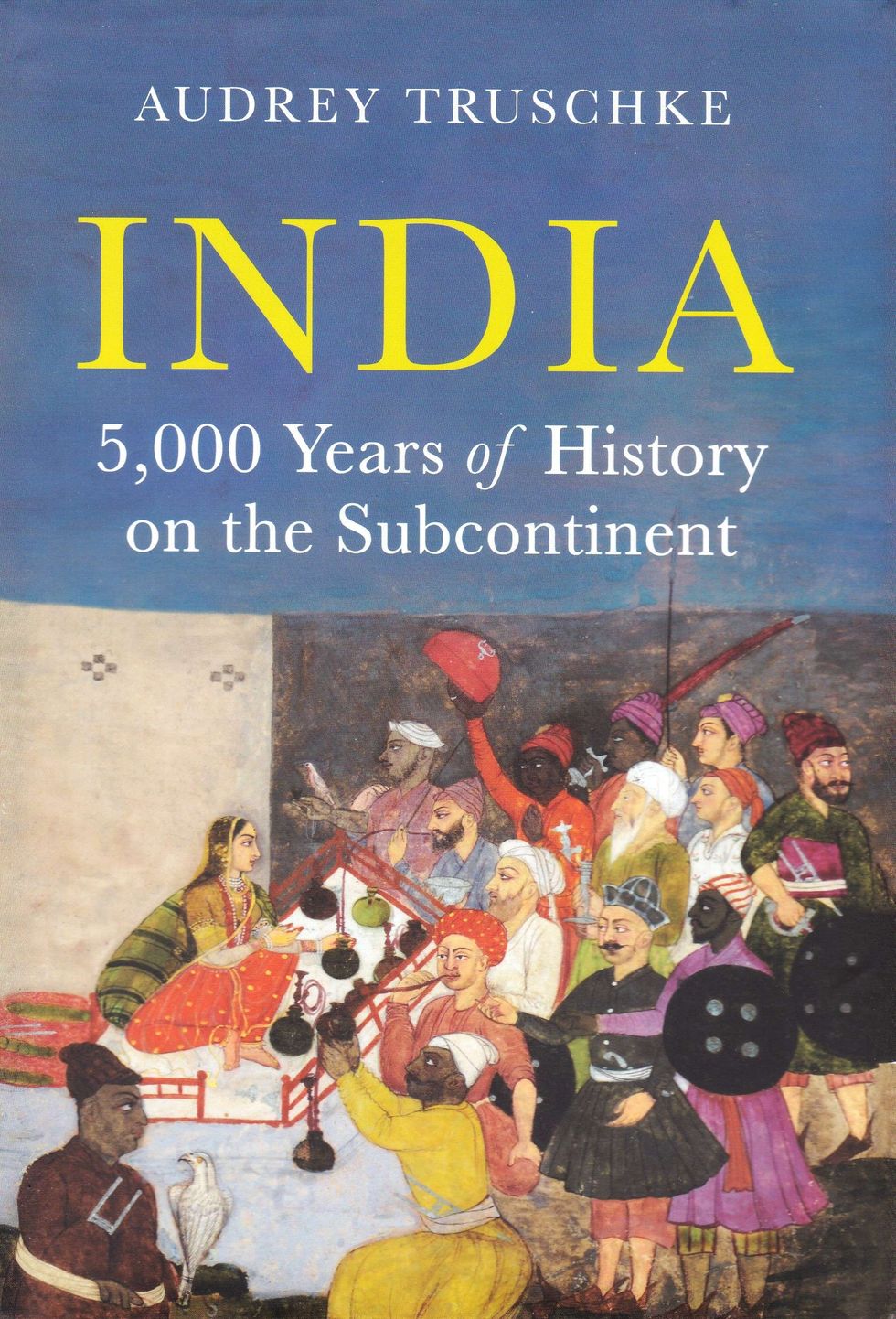
Audrey Truschke, a historian of South Asia and a professor at Rutgers University, is the author of India: 5,000 Years of History on the Subcontinent.
Published by Princeton University Press, it has been described as “a dazzling new history of the Indian subcontinent and its diverse peoples in global context—from antiquity to today”.
“Much of world history is Indian history,” the book says. “Here, readers will learn about Hinduism, Buddhism, Jainism, Islam, and Sikhism; the Vedas and Mahabharata; Ashoka and the Mauryan Empire; the Silk Road; the Cholas; Indo- Persian rule; the Mughal Empire; European colonialism; national independence movements; the 1947 Partition of India; the recent rise of Hindu nationalism; the challenges of climate change; and much more.”
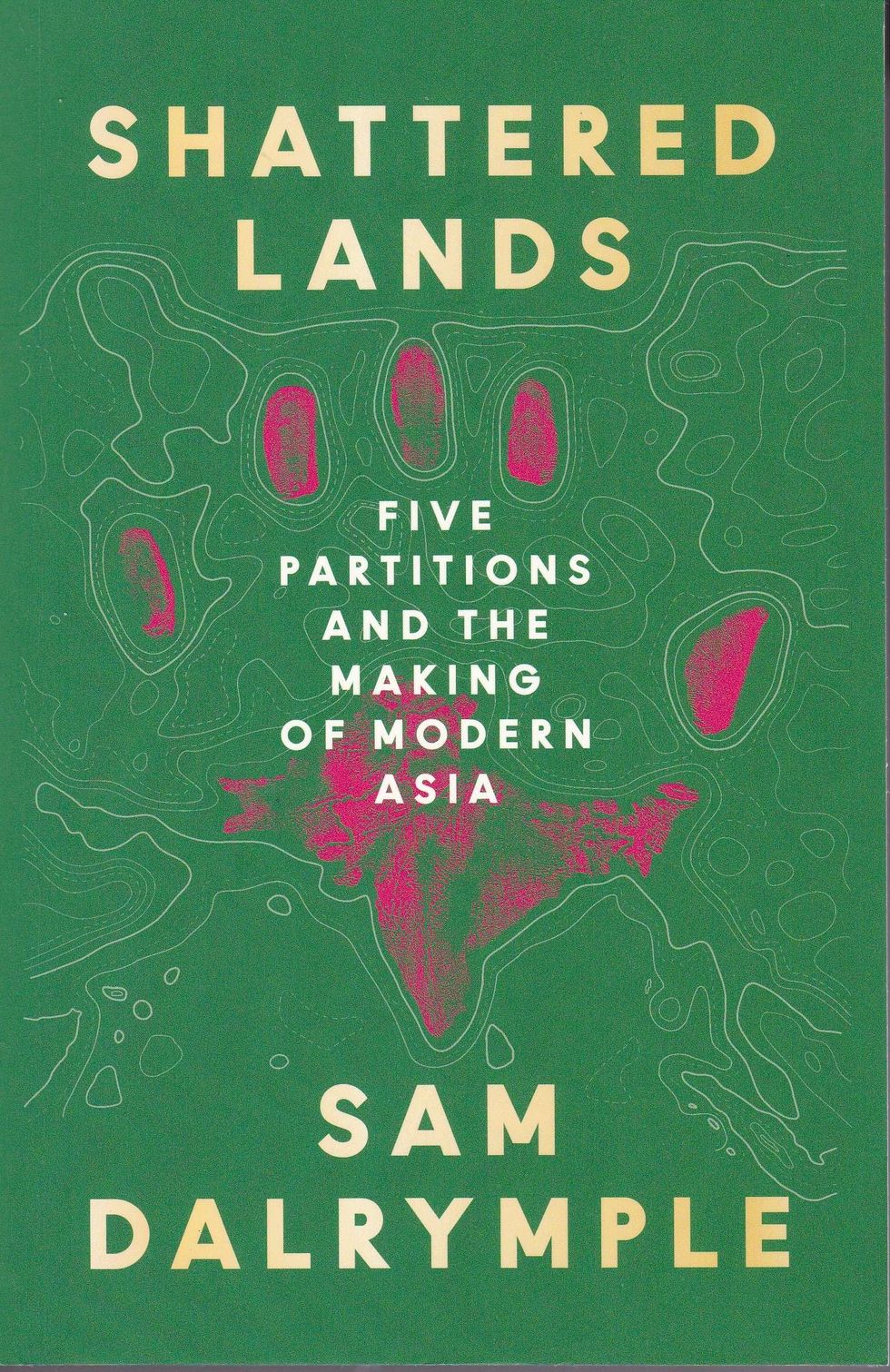
And following in the footsteps of his illustrious father, William Dalrymple (who delivered an Eastern Eye lecture on The Golden Road: How Ancient India Transformed the World), Sam Dalrymple has impressed with his debut, Shattered Lands: Five Partitions and the Making of Modern Asia.
His thesis is that “as recently as 1928, a vast swathe of Asia – India, Pakistan, Bangladesh, Burma, Nepal, Bhutan, Yemen, Oman, the UAE, Qatar, Bahrain and Kuwait – were bound together under a single imperial banner, an entity known officially as the ‘Indian Empire’, or more simply as the Raj.
“It was the British Empire’s crown jewel, a vast dominion stretching from the Red Sea to the jungles of Southeast Asia, home to a quarter of the world’s population and encompassing the largest Hindu, Muslim, Sikh and Zoroastrian communities on the planet. Its people used the Indian rupee, were issued passports stamped ‘Indian Empire’, and were guarded by armies garrisoned in forts from the Bab el-Mandeb to the Himalayas.
“And then, in the space of just fifty years, the Indian Empire shattered. Five partitions tore it apart, carving out new nations, redrawing maps, and leaving behind a legacy of war, exile and division.”
Readers might conclude we are here because you were there. Also, migration is put into context