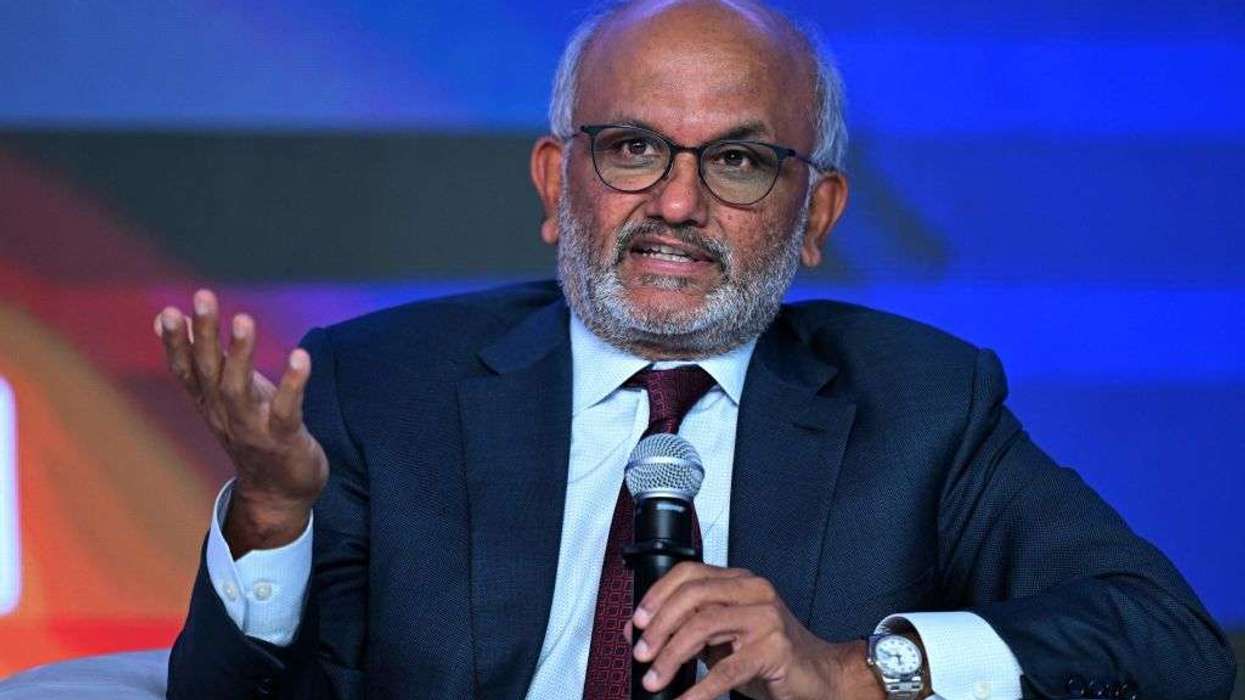

ETHNIC diversity on the boards of Britain’s largest companies has reached its highest level on record, according to the latest Parker Review report published on Tuesday (10). But the study showed progress remains uneven, particularly in senior management and in the representation of black professionals.
The Parker Review Committee published the 2025 results of its voluntary census, examining ethnic diversity across FTSE 350 companies and 50 of the UK’s largest private companies. The study was conducted jointly with the Department for Business and Trade and sponsored by consultancy firm, EY.
Among the top 100 companies, ethnic minorities now hold 20 per cent of all board positions, 208 of the 1,063 directorships, up from 19 per cent in 2024. As many as 98 FTSE 100 companies now have at least one ethnic minority director, compared with just 47 when the Parker Review began tracking board diversity in 2015.
Representation in top leadership roles has also grown. Fourteen FTSE 100 companies are currently led by ethnic minority chief executives, the highest number on record, alongside eight ethnic minority board chairs and nine chief financial officers.
The number of companies with more than one ethnic minority board member has grown, too: 56 FTSE 100 companies now have two or more.
David Tyler, chair of the Parker Review Committee said, “I am pleased to say that 98 of the FTSE 100 companies had at least one ethnic minority director in December 2025, a record high. “We are pleased to note the engagement of the business community with the Parker Review on ethnic diversity has shown no decline despite headwinds from across the Atlantic.
 David Tyler parkerreview
“The ethnic diversity of the UK workforce has increased significantly over the last 25 years and will continue to do so over the next quarter century. Companies realise they need to respond to this by recruiting and retaining talented people in the minority ethnic communities to ensure that they remain competitive.”
The report also highlighted that the FTSE 250 has seen steady improvement. Some 205 companies, 82 per cent of the index, and 89 per cent of those that submitted data, now have at least one ethnic minority director.
Ethnic minorities hold 16 per cent of FTSE 250 board seats, up from 15 per cent in 2024.
The Parker Review originally set a target for each FTSE 250 company to have at least one ethnic minority director. The latest figures show a large majority have now met that goal.
However, progress among large private businesses has been less encouraging.
Of the 50 largest private companies invited to take part, only 36 submitted board data. Of those, just 21 (around 42 per cent) currently meet the target of having at least one ethnic minority director, down from 48 per cent in 2024. Private companies have until December 2027 to meet the target. The review has urged businesses in this group to step up their efforts over the next two years.
Despite improvements at board level, representation in senior management remains significantly lower. Ethnic minorities account for an average of 11 per cent of UK-based senior management roles in FTSE 100 companies, and around 10 per cent in both the FTSE 250 and large private companies.
Companies have set voluntary targets to improve these figures by 2027.
FTSE 100 firms are aiming for 15 per cent representation on average, FTSE 250 companies for 13 per cent, and large private companies for 15 per cent.
The review noted that many organisations will need to accelerate progress considerably if they are to meet these goals in time.
Speaking at the webcast held as part of the launch of the report, Sir Trevor Phillips, chair of Change the Race Ratio, welcomed the overall direction revealed in the study, but said the data contained serious warnings alongside the good news.
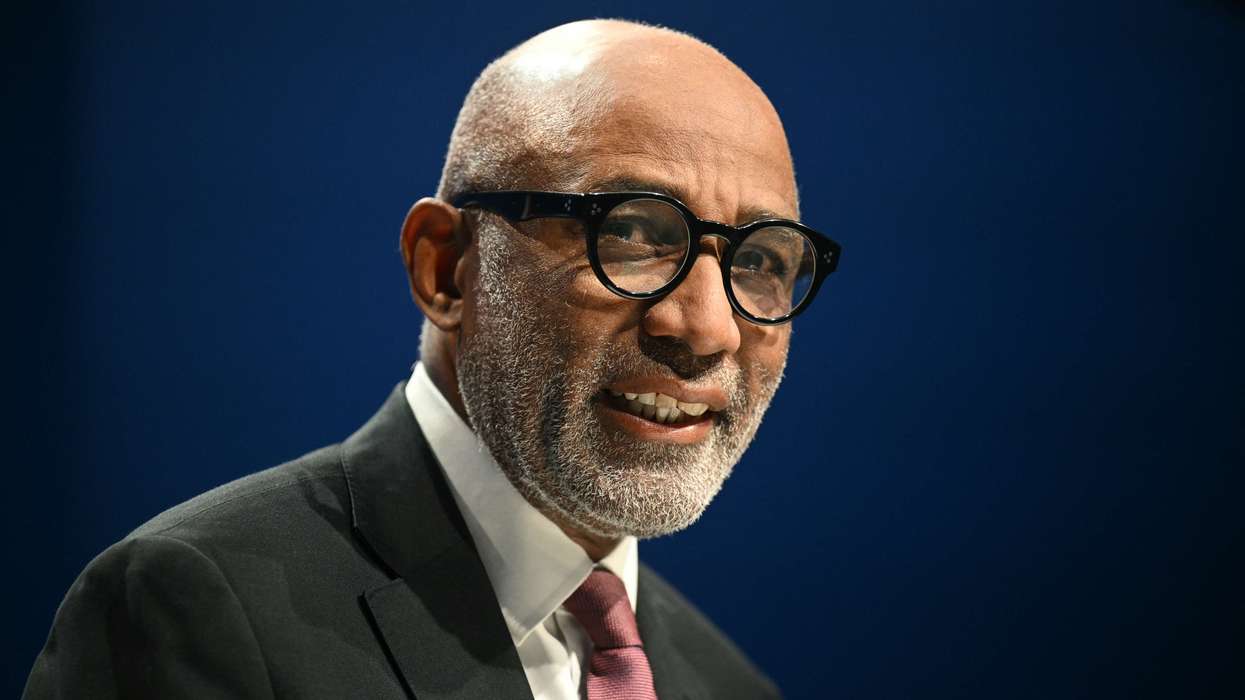 Sir Trevor Phillips Getty Images
He pointed to the strength of business engagement as particularly encouraging, noting that every FTSE 100 company submitted data to the review this year, as did 92 per cent of the FTSE 250.
“At a time when equality, diversity and inclusion (EDI) is facing real pressure, UK business leaders are holding firm as they recognise the commercial benefits of harnessing the full power of the labour market,” he said.
He cautioned that “significant work remains.” The decline in black representation at both board and senior management level was a particular concern, as was the slow pace of progress among private companies, which remain well short of their 2027 target.
“Sustained commitment must translate into sustained action,” Sir Trevor said, “and particularly for the communities where significant under-representation exists.”
He highlighted the government’s forthcoming consultation response on mandatory ethnicity pay gap reporting as a critical moment, arguing that “transparency has always been a cornerstone of progress” and that mandatory reporting would give businesses, employees and the wider public a clearer picture of where inequalities persist.
Sir Robin Budenberg, chair of Lloyds Banking Group, said his firm is actively developing a pipeline of minority leaders from within the organisation.
Rather than focusing change at board level, he argued that companies should invest in nurturing talent from the ground up, building a generation of senior executives from minority backgrounds over time.
The panel discussion was chaired by Soumen Das, co-chair of the review.
 Soumen Das Parker Review
Jennifer Ward of technology company Halma; Sunni Chauhan of executive search firm Spencer Stuart and Alison Duncan, UK chair of Ernst & Young, also spoke.
According to the report, black directors hold 2.3 per cent of FTSE 100 board positions, still below their 3.9 per cent share of the UK population aged 30 to 69. Black professionals account for 1.3 per cent of senior managers in the FTSE 100, down from 1.5 per cent in 2024. The review described this trend as worrying and calls for greater focus on improving opportunities for black professionals in corporate leadership.
Business secretary Peter Kyle said, “Improving and opening up opportunities at the top of business means the brightest talent can rise, innovate and grow our economy. I welcome the progress shown in this report, but progress is not the finish line.
“There is more to do to ensure our boardrooms truly reflect the talent and diversity of modern Britain, and I look forward to the Parker Review continuing to drive fairer representation into the future.”
The report also examined how gender and ethnicity intersect. Women now account for 49 per cent of ethnic minority directors in both the FTSE 100 and FTSE 250, suggesting near-equal gender representation among minority board members. That balance is not reflected in top executive roles, however.
None of the 14 ethnic minority chief executives in the FTSE 100 are women. At senior management level, women make up 42 per cent of ethnic minority managers in the FTSE 100, 41 per cent in the FTSE 250, and 40 per cent in large private companies.
The review noted that many companies remain committed to the diversity agenda and continue to support the review’s voluntary targets.
The Parker Review was launched in 2015 to improve ethnic diversity in UK boardrooms and senior leadership, relying on voluntary commitments rather than mandatory quotas.
This is the final annual report under the leadership of Tyler, who has chaired or co-chaired the initiative since its founding in 2015. He will step down from the steering committee at the end of March and will be succeeded on an interim basis by Soumen Das.