
MacGill is close to joining another Australian, Mark O'Neill, on the Bangladesh backroom staff for the tour by the world number three-ranked nation.
Australia are due to arrive on August 18 for their first Test series in Bangladesh since 2006, if a pay dispute between their players and Cricket Australia is resolved in time.
The two Tests will be followed by a Bangladesh tour of South Africa for two Tests and three one-day internationals in September-October.
Bangladesh are looking to build on a year in which they recorded their maiden Test wins over England and Sri Lanka, before reaching the Champions Trophy semi-final in June.
"We have made some progress in Test cricket. Now we have the game-plan of winning in the sub-continent. We want to win the two Tests against Australia," Hathurusingha said.
Bangladesh already have former West Indies paceman Courtney Walsh as fast bowling coach. Former Western Australia and New South Wales all-rounder O'Neill has joined as batting consultant and MacGill is set to follow.
The Bangladesh Cricket Board has not confirmed the appointment of MacGill, who took 208 wickets in 44 Tests for Australia. But Hathurusingha insisted he would stay for at least the Australia and South Africa campaigns.
"MacGill is here for three months to see, and if he is happy and the players are benefiting, it will be long-term," said Hathurusingha.
"We didn’t have a spin bowling coach since (Ruwan) Kalpage left us. We need that help, as that’s a specialised area," he said.
"Working, for me, is easier because all these guys are good coaches and they know what they are doing."
The first Test against Australia is at Dhaka's Sher-e-Bangla National Stadium from August 27. The second starts in Chittagong on September 4.
Australia were to play two Tests in Bangladesh in October 2015 but the tour was cancelled after a wave of attacks by Islamist extremists in the Muslim-majority nation.




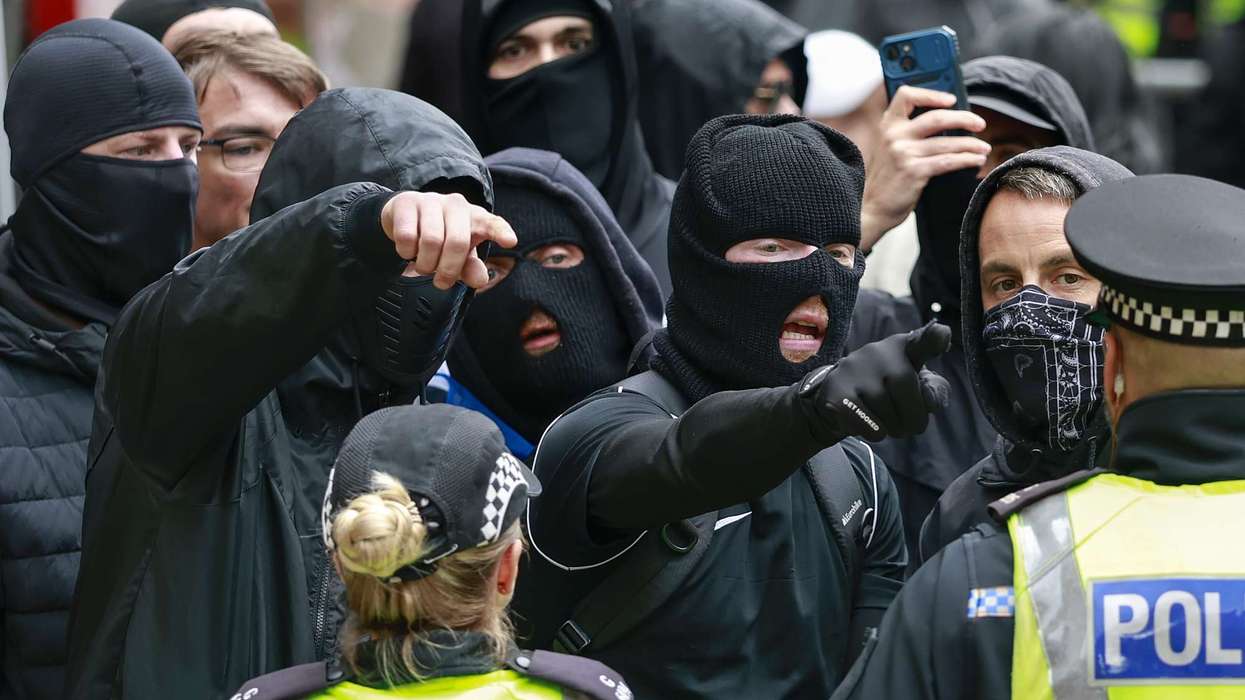
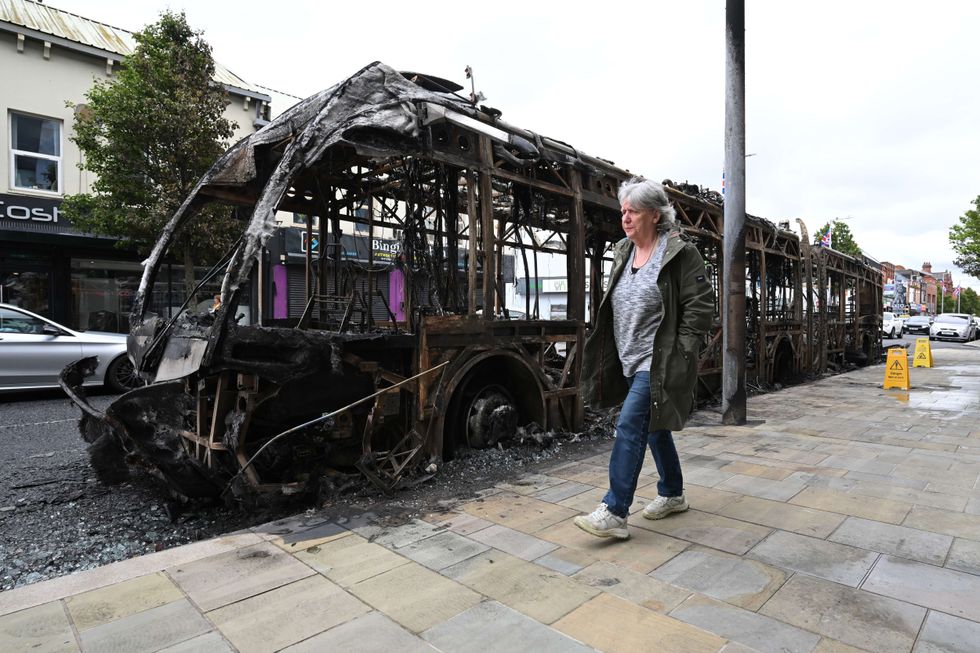 A burnt out bus on Newtownards Road as the clean-up begins following a night of anti-immigrant riots on June 10, 2026 in Belfast, Northern Ireland. Overnight protests in Belfast turned violent in reaction to a knife attack that took place on Monday night, which left a male victim in his 40's with serious injuries. Getty Images
