
A court in Bangladesh on Sunday ordered a probe into claims by a formerly jailed cartoonist that he was tortured before police detained him under the country's harsh internet laws, his lawyer said.
Ahmed Kabir Kishore, 45, was arrested in May 2020 under the controversial laws and charged with carrying out anti-state activities and spreading rumours.
The high-profile cartoonist was released on bail two weeks ago after a public outcry over the death in jail in February of a writer, Mushtaq Ahmed, who was arrested under the same laws.
Kishore has alleged he and Ahmed were held at the same jail and that the writer was also tortured by unknown men -- claims that authorities have flatly denied.
Kishore filed a petition with a Dhaka court on Wednesday, saying he was beaten with sticks and slapped hard by more than a dozen unknown men who abducted him on May 2 and held him for nearly three days.
He said the men questioned him about cartoons he had drawn mocking a powerful businessman close to the government, and for a series criticising the government's response to the coronavirus pandemic.
Kishore said the unknown men later handed him over to an elite police unit, the Rapid Action Battalion.
"The court has also directed the PBI (Police Bureau of Investigation) to probe the alleged torture and submit a report by April 15," the cartoonist's lawyer, Jyotirmoy Barua, told AFP.
Barua said the court had ordered three doctors from the Dhaka Medical College Hospital to examine Kishore, and added that he had undergone an operation on his right ear on Saturday for injuries allegedly sustained when he was beaten.
"Blood poured from my right ear after they slapped me," the cartoonist told AFP a few days after he was released.
Rapid Action Battalion spokesman Lieutenant Colonel Ashique Billah told AFP Sunday that neither Ahmed or Kishore were tortured while they were in their custody or in jail.
Ahmed's death in prison sparked days of protests against Prime Minister Sheikh Hasina's government.
The protesters also called for the repeal of the digital laws, which critics say are used to quash dissent.
The United States, the European Union and the United Nations have all expressed concern over the harsh Bangladeshi laws.





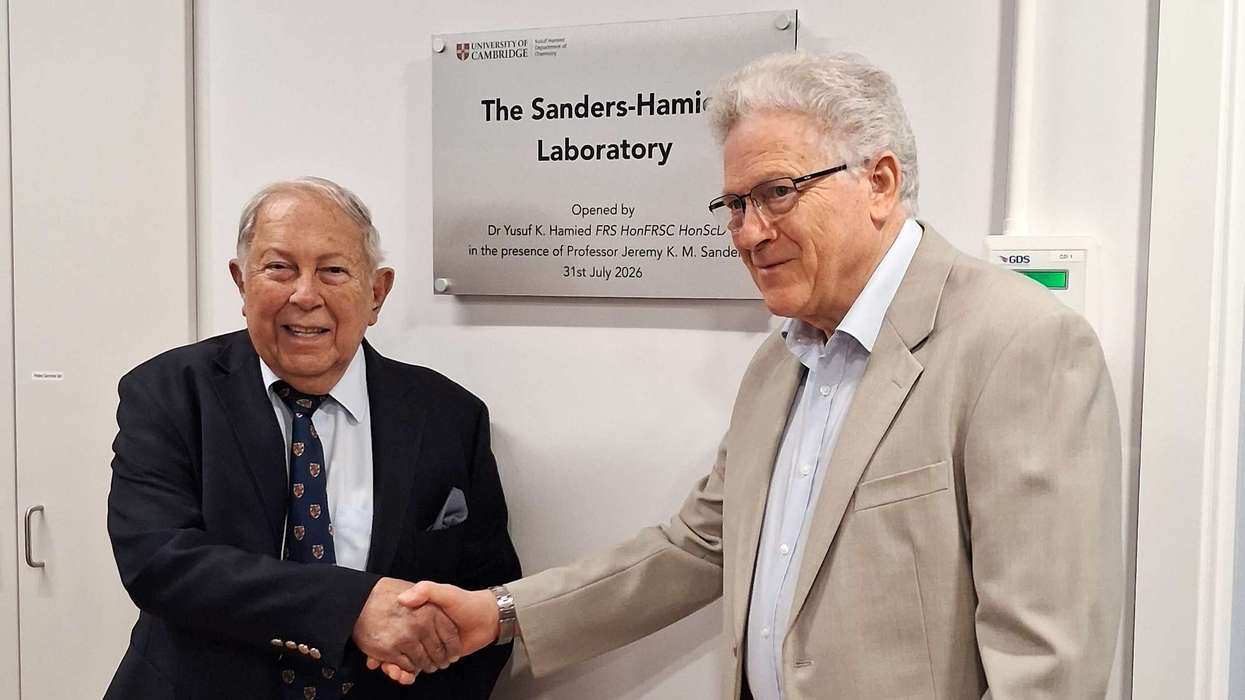
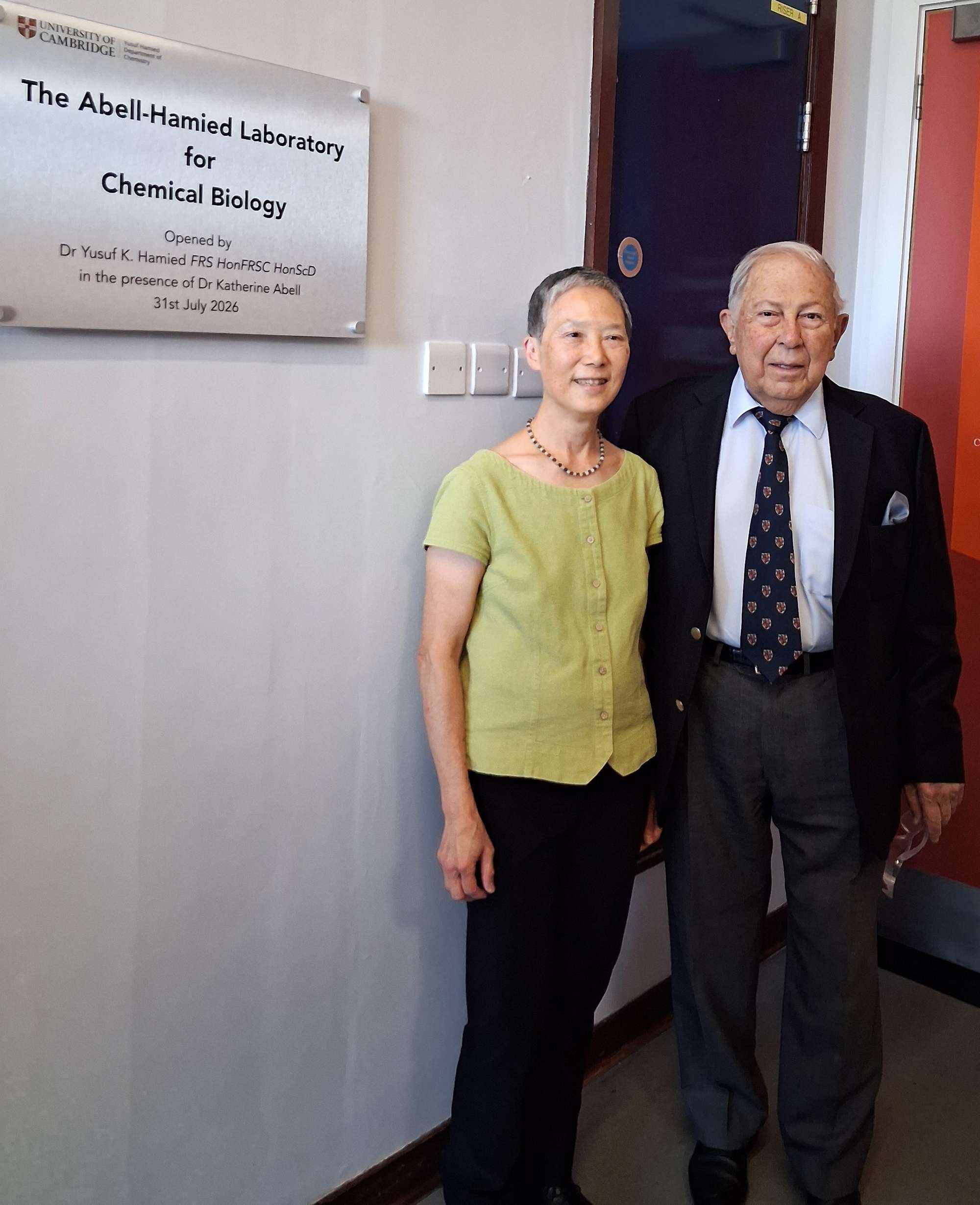 Katherine Abell and Yusuf Hamied Amit Roy
 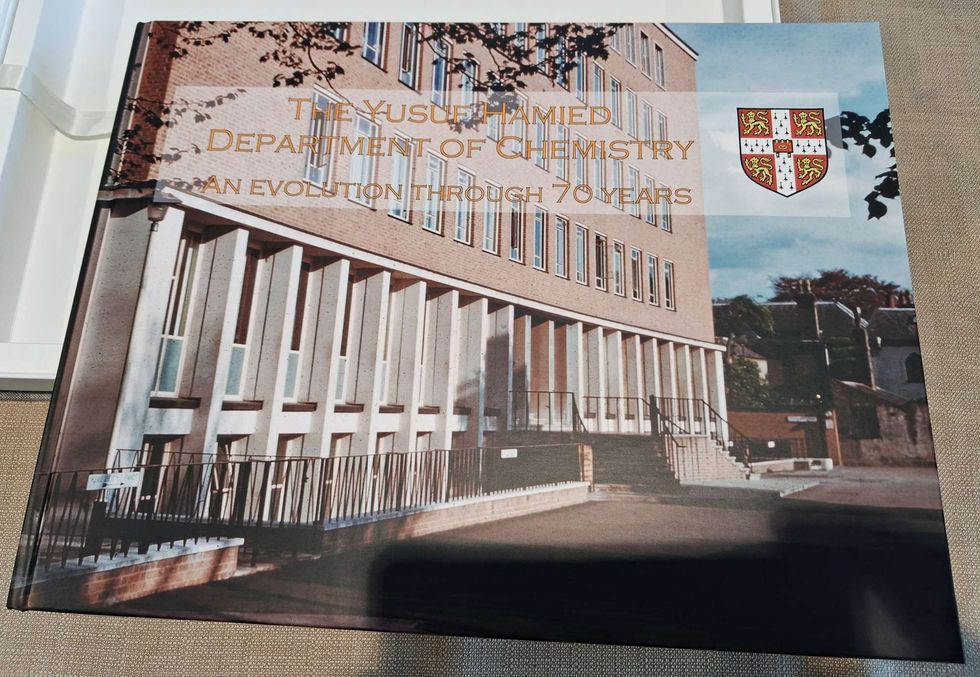 The album gifted to Yusuf Hamied Amit Roy
 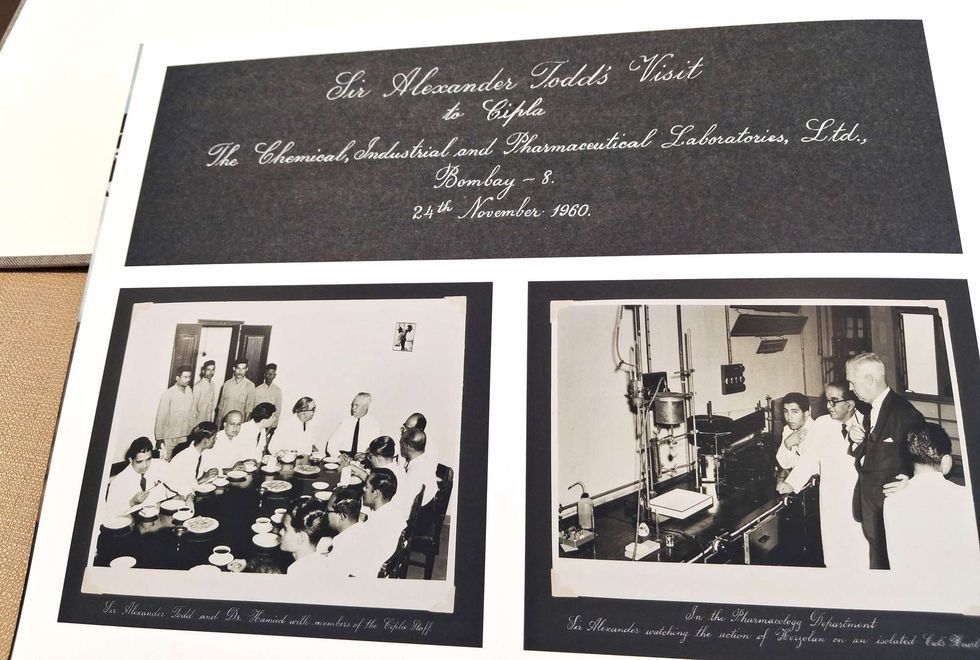 Todd visit to Cipla in Bombay in 1960 (from the album) Amit Roy
  Abell-Hamied plaqueAmit Roy
  Sanders-Hamied plaque Amit Roy
  Yusuf Hamed & Katherine Abell meet students Amit Roy
  Yusuf Hamied and Jeremy Sanders meet studentsAmit Roy
  (From left) Katherine Abell. Jeremy Sanders. Deborah Prentice. and Yusuf Hamied Amit Roy
  James Keeler Amit Roy
 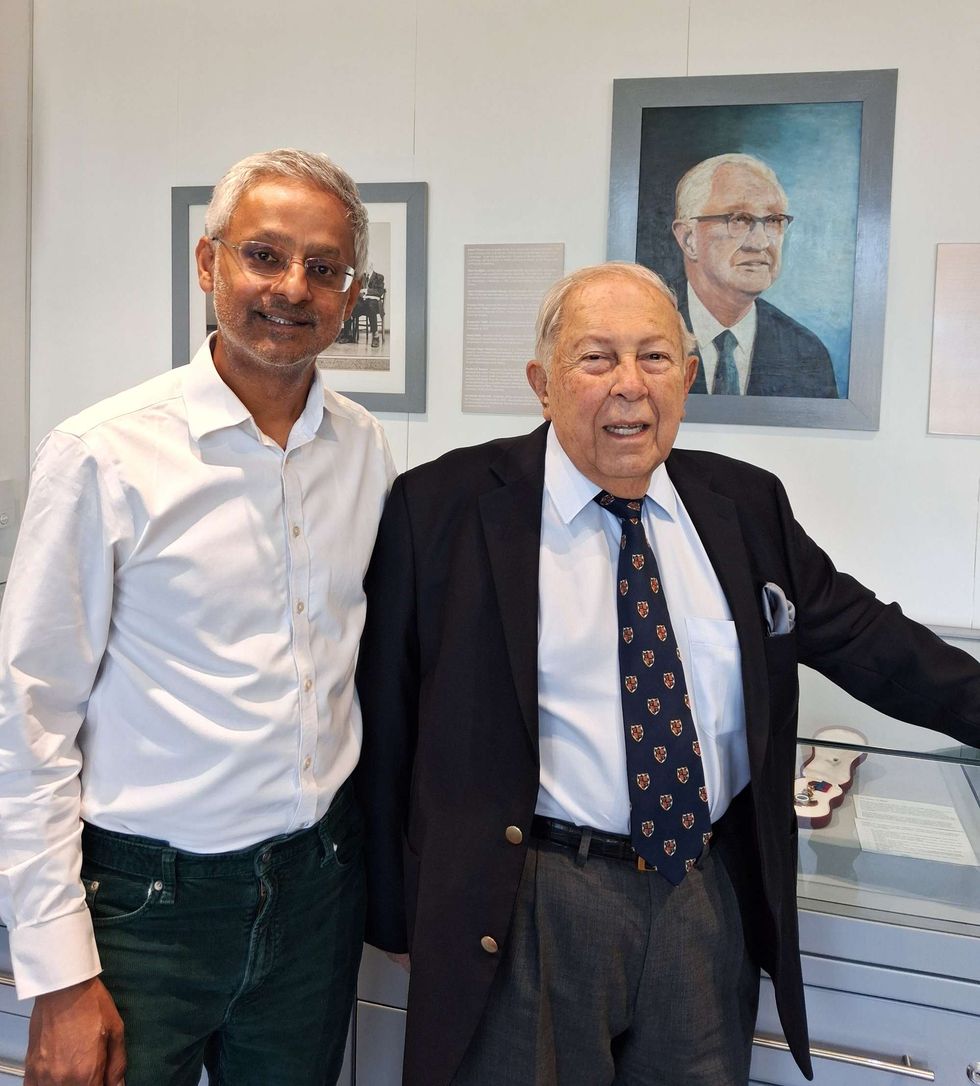 Shankar Balasubramanian with Yusuf Hamed Amit Roy
