
AN Australian court on Wednesday (5) agreed to hear a challenge to the country's controversial ban on citizens returning home from coronavirus-hit India.
A federal court said it would urgently hear a case brought by a 73-year-old man living in Bangalore who wishes to return.
Prime minister Scott Morrison this week banned arrivals from India, which is recording hundreds of thousands of new coronavirus infections each day.
Under the measures, Australian citizens who return home face jail time and heavy fines.
The move has caused widespread outrage, with Morrison's own allies describing it as racist and an abandonment of vulnerable Australians overseas.
The conservative government has argued the ban is necessary to prevent Australia's quarantine facilities from being overwhelmed with Covid-positive arrivals.
Christopher Ward, the lawyer representing the 73-year-old man, said his client was challenging the ban on several grounds of constitutionality, "proportionality and reasonableness".
Justice Stephen Burley ordered that a further hearing date would be set in the next 24 to 48 hours.
Australia has no widespread community transmission of Covid-19, but has seen several outbreaks emerge from hotel quarantine facilities, causing disruptive city lockdowns.
There are estimated to be around 9,000 Australian citizens in India, including high-profile cricketers playing the now-suspended Indian Premier League.
Morrison on Tuesday (4) refused to amend the ban but insisted it was "highly unlikely" the punishment would ever be meted out.
The ban is currently scheduled to run until May 15.
Monash University constitutional law professor Luke Beck predicted it would be difficult for the challenge to succeed, and even a temporary injunction is unlikely.
"The Australian constitution doesn't set out very many rights that individuals have," he told AFP, adding that there is no explicit right to return home.
The challenge may be trying to convince the court that the measures are disproportionate to the threat, but "judges tend to side with the government's public health expert", he said.
"It's quite unlikely that this challenge will succeed."





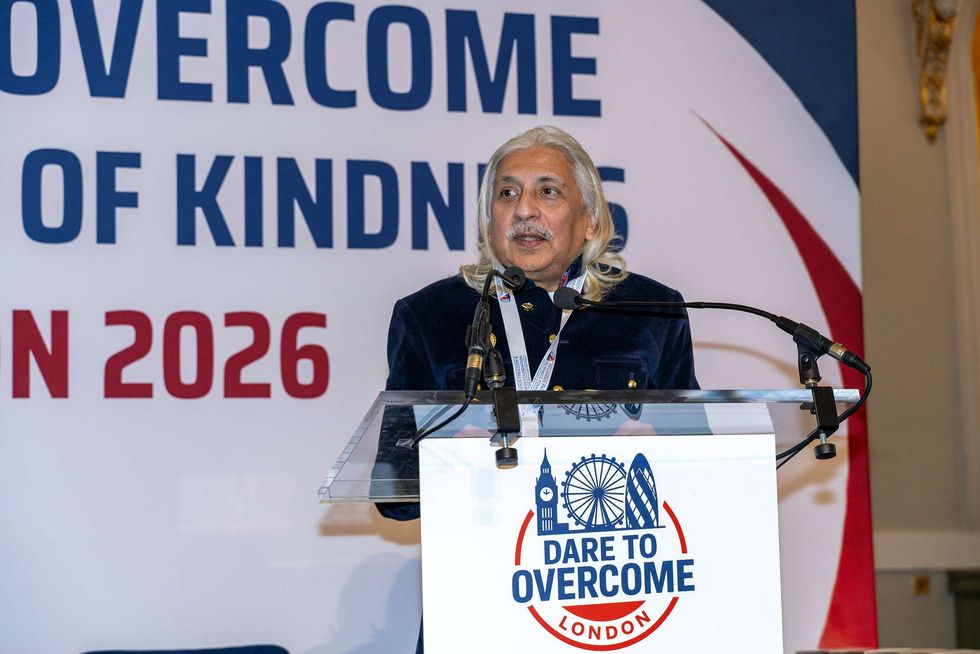 Sanjoy K Roy speaks during the eventEastern Eye
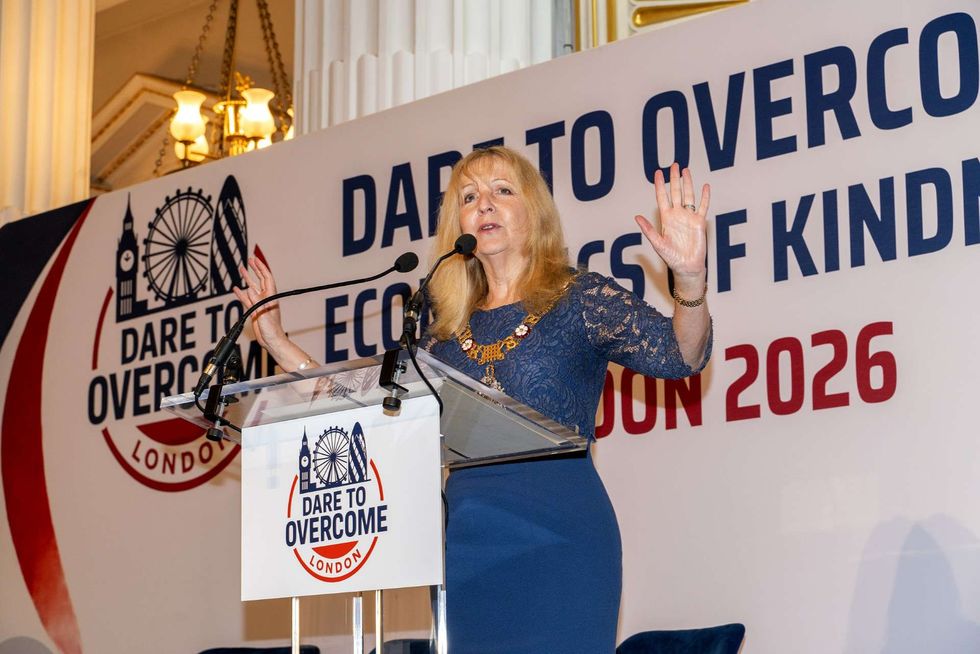 Dame Susan Langley, Lady Mayor of the City of London, speaks during the eventEastern Eye
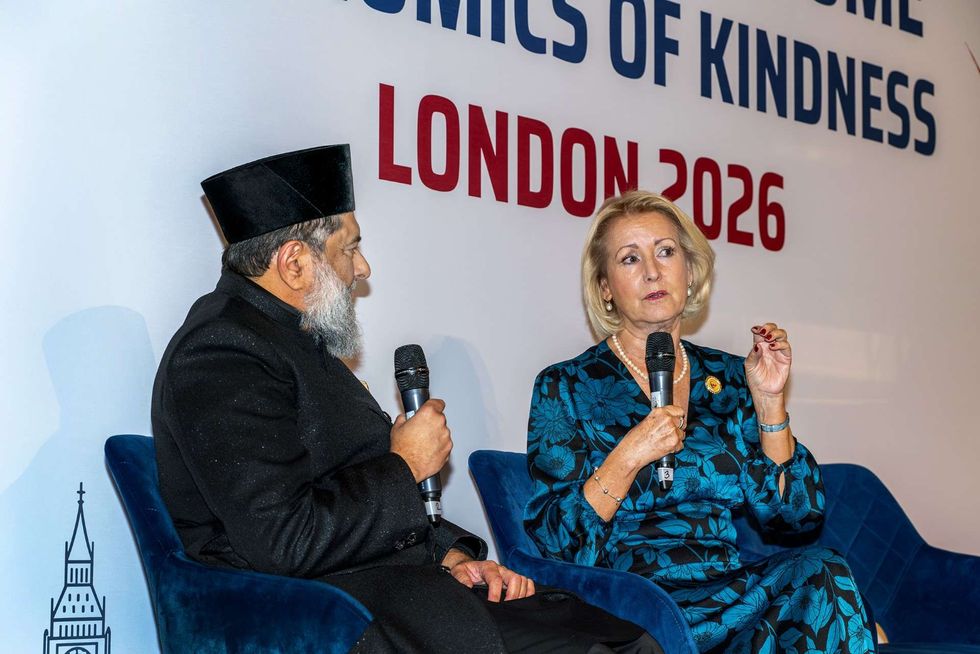 Dame Elizabeth Corley with Shaykh Ibrahim Mogra, Chaplain, Canary Wharf Multifaith ChaplaincyEastern Eye