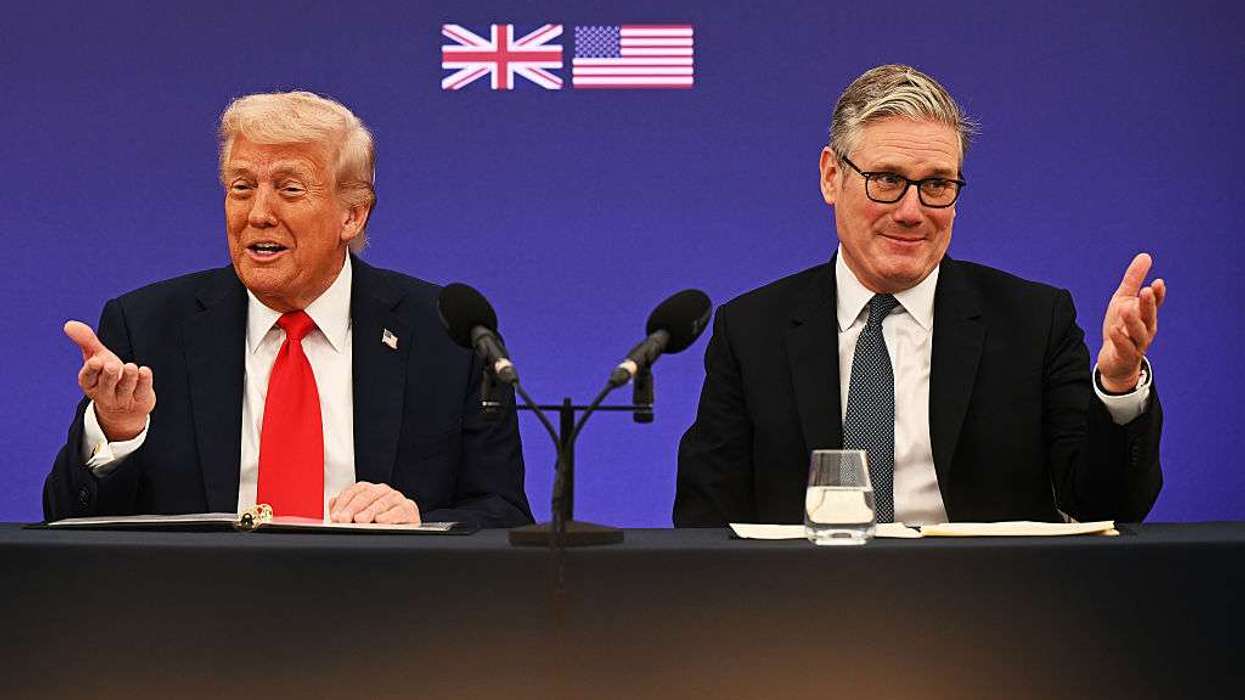

“We have already destroyed 100% of Iran’s Military capability, but it’s easy for them to send a drone, a mine, or deliver a close range missile”, US president Donald Trump blurted onto social media. This fortnight the US administration has made itself insatiable. Its persistent insistence on inhabiting a parallel universe to deny any hitches from starting a war without a plan could be funny if it was not so serious.
The British government’s scramble to contain the military, diplomatic and economic fallout overshadowed the government’s publication of Protecting What Matters, its long awaited action plan on social cohesion. Its argument was that recurring crises since the 2008 financial crash, Brexit, Covid and conflicts in Europe and the Middle East put cohesion under pressure and pushed aside strategic responses.
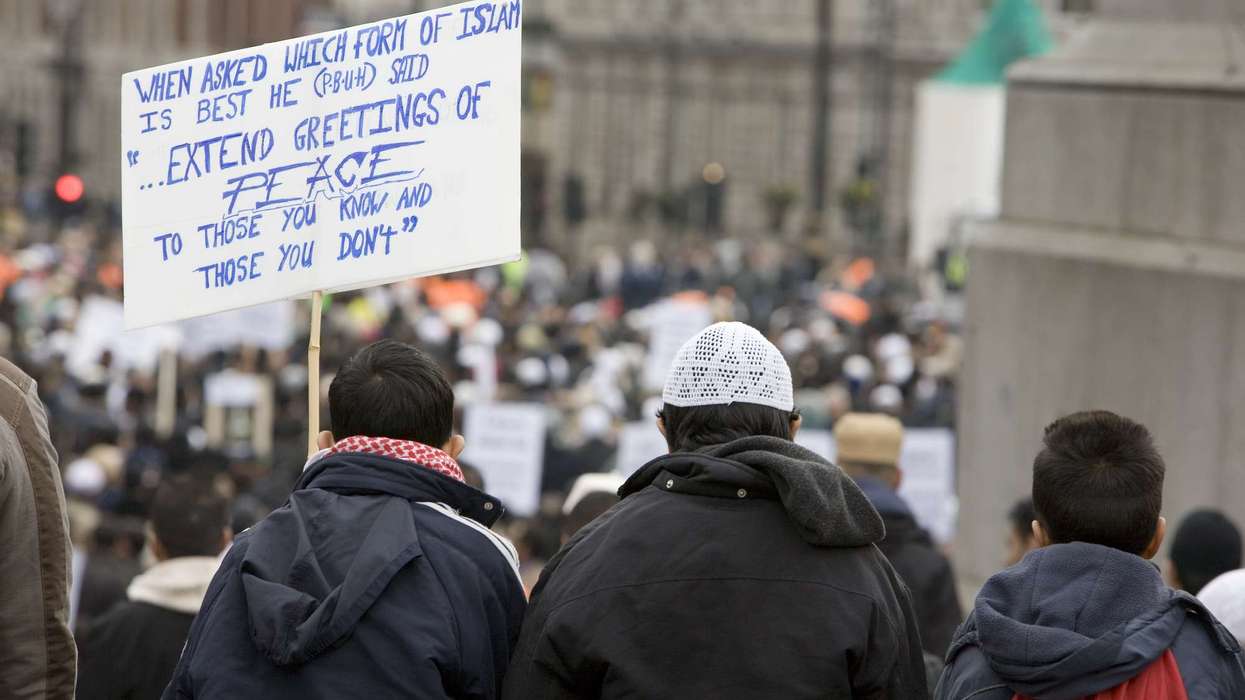
A new definition of “anti-Muslim hostility” generated most political debate. It has been a long time coming. It was seven years and five prime ministers ago that James Brokenshire, communities secretary under Theresa May, committed the government to finding a consensus definition of Islamophobia back in May 2019. The change of language away from the term “Islamophobia” makes sense. It is part of free speech to challenge theological and political ideas - but it is prejudiced to discriminate against Muslims because they are Muslim. Putting the name of the faith “Islam” rather than its followers “Muslims” could blur those boundaries. Kemi Badenoch made that argument inside government as equalities minister, so as opposition leader now, she should welcome this shift. This is a “non-statutory” definition. It will not change what the law sanctions. So what is it for? That was the question put by Kishwer Falkner, former chair of the EHRC (Equality and Human Rights Commission), when we debated this new definition on Radio 4’s The Week in Westminster last weekend. The government notes that almost half (48 per cent) of religiously motivated hate crimes target Muslims. Yet Falkner pointed out that hate crimes are already crimes.
Where a non-statutory definition can help is targeting extreme prejudices that fall inside the law - as most racist speech does. Take the GB News debate broadcast last summer about whether any such definition was needed or not. Lucy White gave a polemic against, arguing there was nothing irrational about a fear of Muslims. She cited Islamist terrorist attacks - such as 7/7 - and Axel Rudakubana’s shocking Southport murders (though he is not Muslim). The government would be “gaslighting” the public if it tried to protect Muslims, she said, offering a different solution. “Quite frankly, we are not a Muslim country. There are fifty Muslim countries. Those that want to uphold their faith should simply remigrate back to those countries. It does not belong here”.That is sweepingly prejudiced. White did not target extremists, or those responsible for crimes, nor criticise people for the things they have said and done; she simply says that Britain should have no place for Muslims. I would hope that Nigel Farage’s Reform Party, as well as the Conservatives, LibDems, Greens or Labour would challenge or suspend parliamentary or council candidates arguing this, while protecting their ability to debate challenges of integration, extremism and prejudice in our society. Ofcom needs to show that the broadcasting code is not now de facto just voluntary.
Is defining anti-Muslim hostility “two-tier”? To have a working definition of antisemitism, but none for anti-Muslim prejudice is a disparity that could inhibit efforts to challenge prejudice. Yet defining anti-Muslim hostility without engaging with potential prejudice against Hindus or Sikhs could feel asymmetric, too. Government data does show many more recorded hate crimes against Muslims than Hindus or Sikhs in the last figures - but the question of frequency is a different one from the point of principle.
So I had a simple test for this definition. If I changed the word Muslim to Sikh or Hindu, Jewish or Catholic, would it still work as a guide to the boundary between legitimate debates about identity, faith and integration - and sweeping prejudices against people on the basis of their faith, not what they have actually said or done. The proposed anti-Muslim hostility definition meets this test. Having committed to developing its cohesion and extremism plans annually, the government could consider how best to recognise that formally by next year.
Consistent principles would not mean a one-size-fits-all approach as to how to pursue them in practice. Tracking how different hatreds and extremisms wax and wane would inform how to deploy resources in policing and prevention. Education materials should involve core principles about how to protect boundaries and norms effectively - and how to spot the distinct, specific tropes that target Muslims, or Jews, and groups that identify as others. Tackling hatred is about fairness for all, not special favours. Few of those bringing insights into challenging specific strands of hatred would want to be bidding against each other in a zero-sum auction of competing grievances, instead of considering ourselves allies working across society for a common cause.