THE air traffic control glitch which caused thousands of flight cancellations and delays into and out of Britain on Monday (28) has been fixed and there will be no repeat of the issue, said the head of the country's air traffic control provider, NATS.
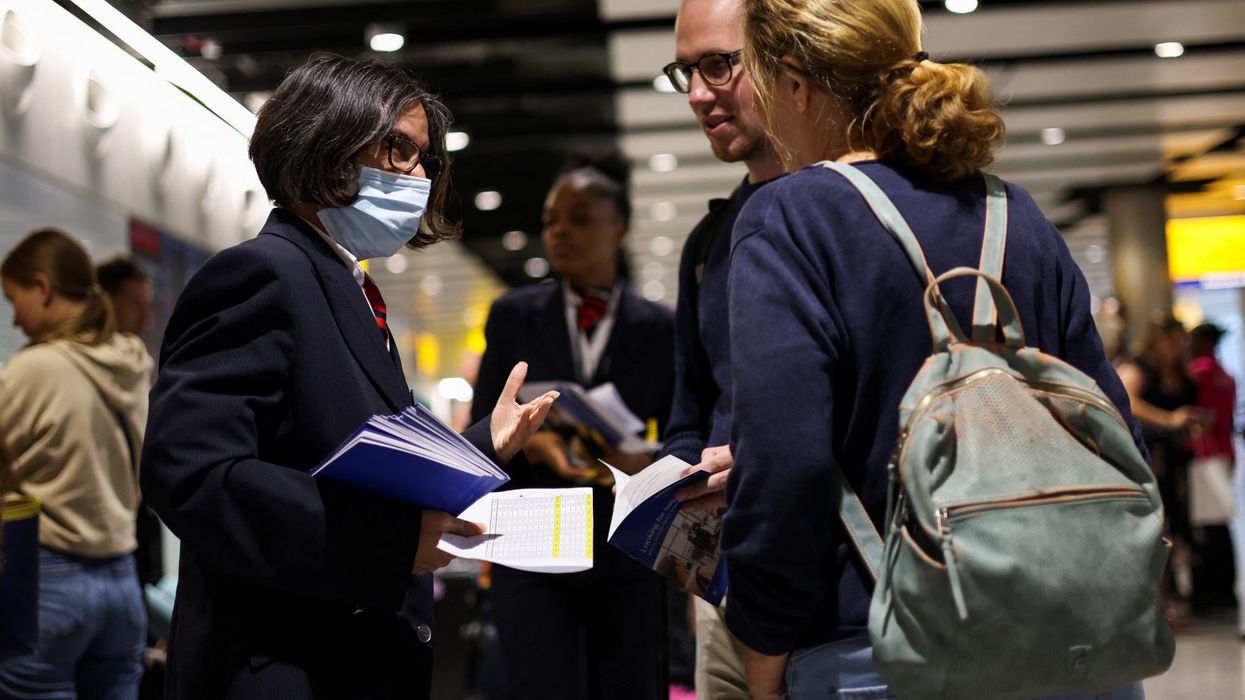
Thousands of passengers are stranded abroad after 1,500 flights were cancelled on Monday and disruption to schedules persisted into Tuesday (29). The peak holiday time period means those affected are not being offered alternative flights for days.
Martin Rolfe, the CEO of NATS, the company which operates the air traffic control systems, said on Wednesday (30) the technical problem was caused by a flight plan which was "not sufficiently standard".
He said the issue had since been fixed.
"We've worked incredibly hard since we restored the service back on Monday to make sure that this type of event can't happen again," he told the BBC.
Ryanair criticised NATS for not having a back-up system. Airlines are now scrambling to help passengers return.
Rolfe said NATS was trying to help the airlines.
"We are working incredibly closely with them to make sure that we help them recover as quickly as they possibly can, and as efficiently as they possibly can," he said.
(Reuters)
Air traffic control fault ‘can't happen again’
Thousands of passengers are stranded abroad after 1,500 flights were cancelled on Monday