
Skip to content
Search

Latest Stories

Submit Guest Post

Air India appoints first foreign CEO

Air India appoints first foreign CEO

Air India has appointed its first foreign chief executive after a previous pick from overseas backed out because of local opposition, new owners Tata Sons said Thursday.

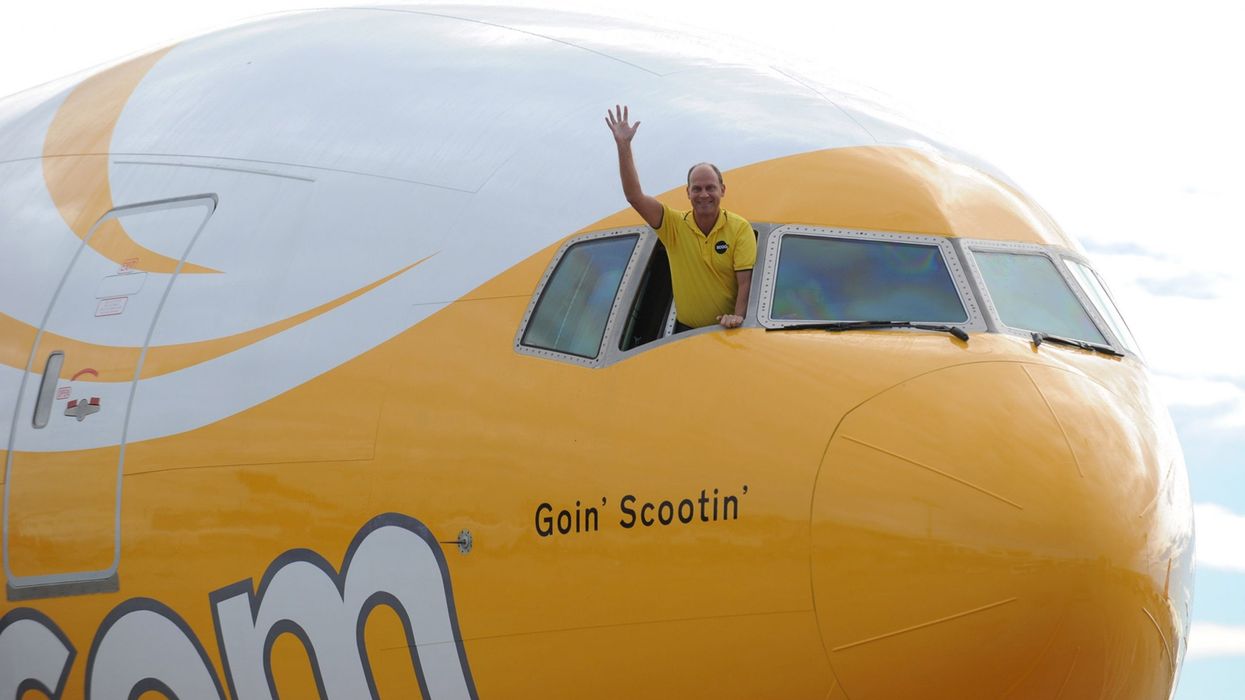
The new boss will be New Zealander Campbell Wilson, the former head of Singapore Airlines' low-cost subsidiary Scoot, Tata Sons said in a statement.


After buying back Air India from the government after 69 years of state ownership, Tata in February selected former Turkish Airlines boss Ilker Ayci to help turn around the loss-making airline.

But a Hindu-nationalist group with close ties to prime minister Narendra Modi's ruling party criticised the choice over Ayci's connections to Turkish president Recep Tayyip Erdogan.

Ayci soon withdrew after "closely following the efforts to give another meaning to my appointment", Turkish media quoted him as saying.

"Air India is at the cusp of an exciting journey to become one of the best airlines in the world," the Tata statement quoted Wilson as saying.

"I am excited to join Air India and Tata colleagues in the mission of realising that ambition," the 50-year-old said.


Add EasternEye As Your Trusted Source
preferred source on google news

More For You

Jobs
Labour criticised over guidance warning against ‘masculine’ language in job ads
iStock

Finding a job in Britain could be getting harder as vacancies hit five-year low

  • Job vacancies have fallen to 707,000, their lowest level in more than five years.
  • Small businesses say rising labour and operating costs are making recruitment harder.
  • Private sector pay growth has slowed to its weakest level in almost six years.

Finding a new job in Britain could be getting harder as employers become more cautious about hiring and the number of available vacancies falls to its lowest level in more than five years.

The UK recorded 707,000 job vacancies between May and July, according to the Office for National Statistics (ONS). The slight fall from the previous period points to a labour market where businesses are becoming less willing to add workers as the cost of employing them continues to rise.

Keep ReadingShow less