1. Blue
The colour blue promotes feelings of peace, calm and serenity, and can make a room feel bigger. Shades of blue have also been proven to lower blood pressure. It’s often used in bedrooms because of its ability to help people sleep. This colour is also good to fight against insomnia, stress, anxiety, over-excitement and anger.
2. Green
Green is a restful and quiet colour. Green is the colour that symbolises nature, green is one of the most beautiful and comforting colours that attract harmonious feelings that can diffuse anxiety and helps us stay calm and refreshed. This colour is good for stress, anxiety, self-pity and confusion.
3. Pink
Pink is another colour that helps you calm and bring peace into a room. In fact, Feng Shui believers use pink to soothe the energy in a room and keep it understated. This colour is also good for difficult relationships, insomnia, anger, aggression, over-sensitivity
4. White
White symbolises clarity and freshness. It is the right colour to be surrounded with in times of stress, to get clarity of your thoughts. A white painted room is considered to be the most ideal for a pregnant woman.
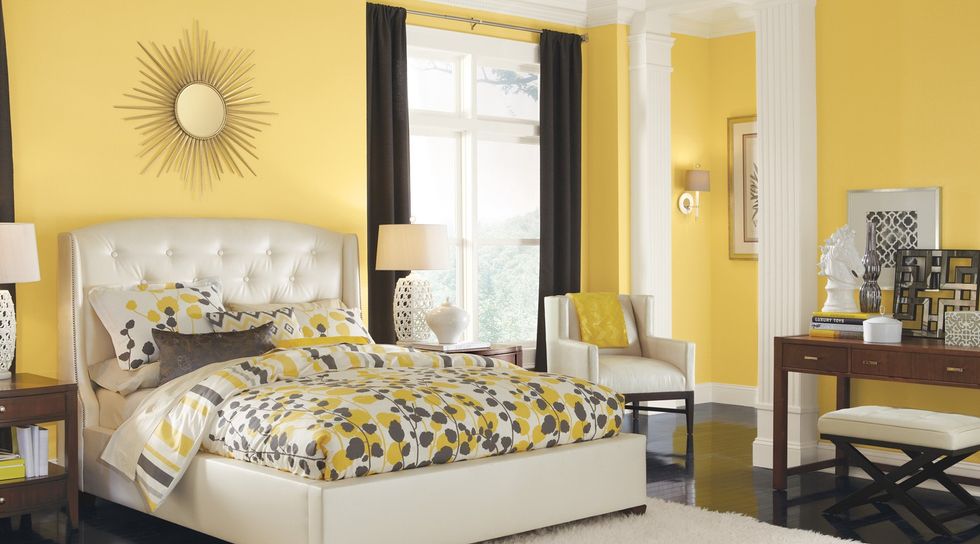
5. Yellow
There's something very positive about this colour that makes you feel lively and energetic the moment you lay your eyes on it. This colour makes you jump start your day on an energetic note. This colour is good for depression, despair, fatigue, negativity, sensitivity to criticism, lack of confidence insomnia and hyperactivity.






 The poster of the feature documentaryEastern Eye