THREE days of monsoon rains have killed at least 90 people and damaged 1,000 homes across Pakistan, the country's national disaster management agency said Tuesday (25), as another spell of heavy rain lashed the port city of Karachi.
Streets and homes were flooded with sewage water in Karachi, where the drainage and sewage systems are outdated.
Of the total of the rain-related casualties, 31 deaths were reported in southern Sindh province, while 23 people died in the province of Khyber Pakhtunkhwa, according to the agency.
It said 15 deaths were reported in southwestern Baluchistan province and eight in Punjab province. Thirteen more people died elsewhere in northern Pakistan, including three in the Pakistan-administered sector of Kashmir.
The rains are expected to continue this week in Karachi, where Prime Minister Imran Khan earlier this month sent troops to help local authorities in pumping out rainwater from inundated residential areas.
Every year, many cities in Pakistan struggle to cope with the annual monsoon deluge, drawing criticism about poor planning. The monsoon season runs from July through September.





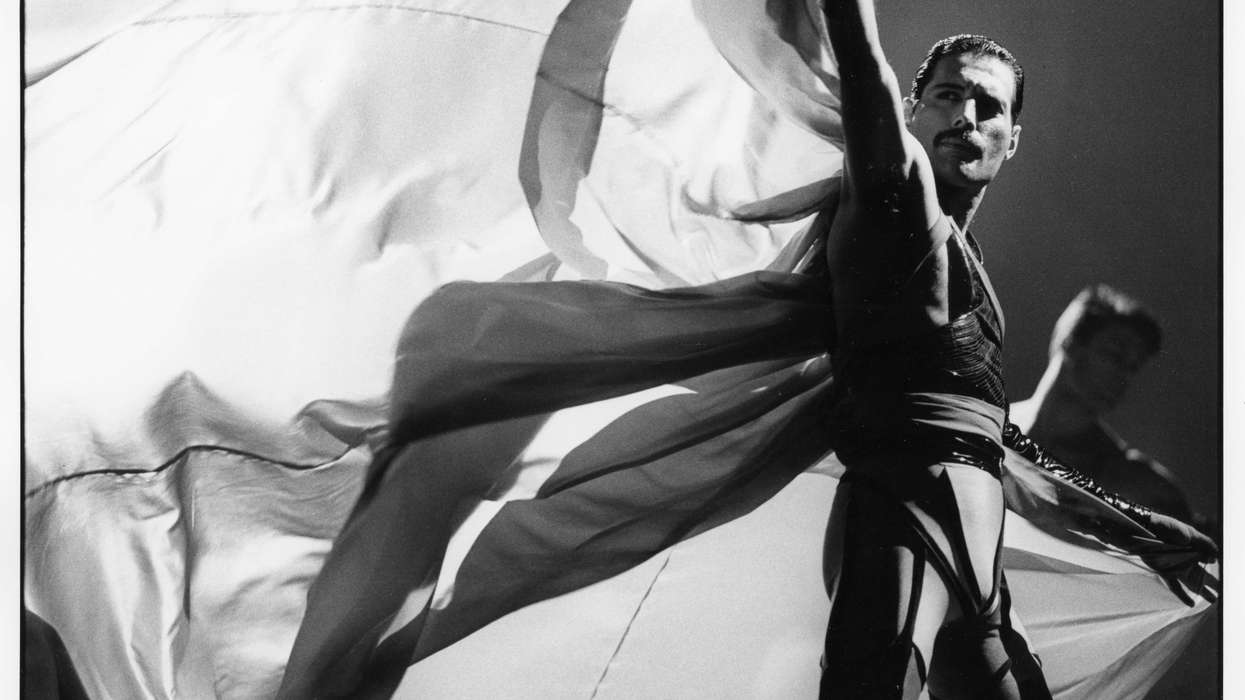
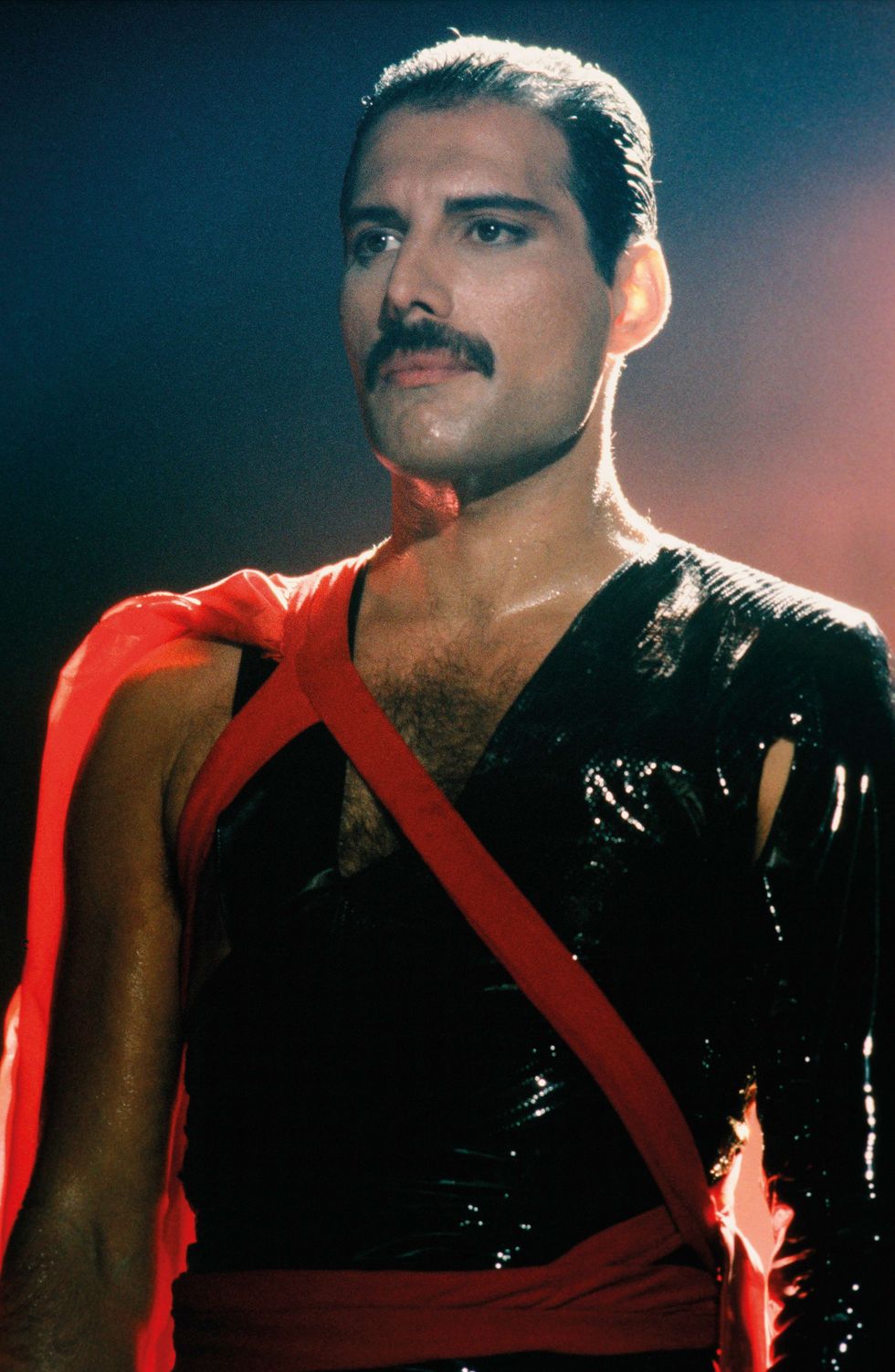 Freddie Mercury in the Made in Heaven music videoSimon Fowler © Mercury Songs Ltd
 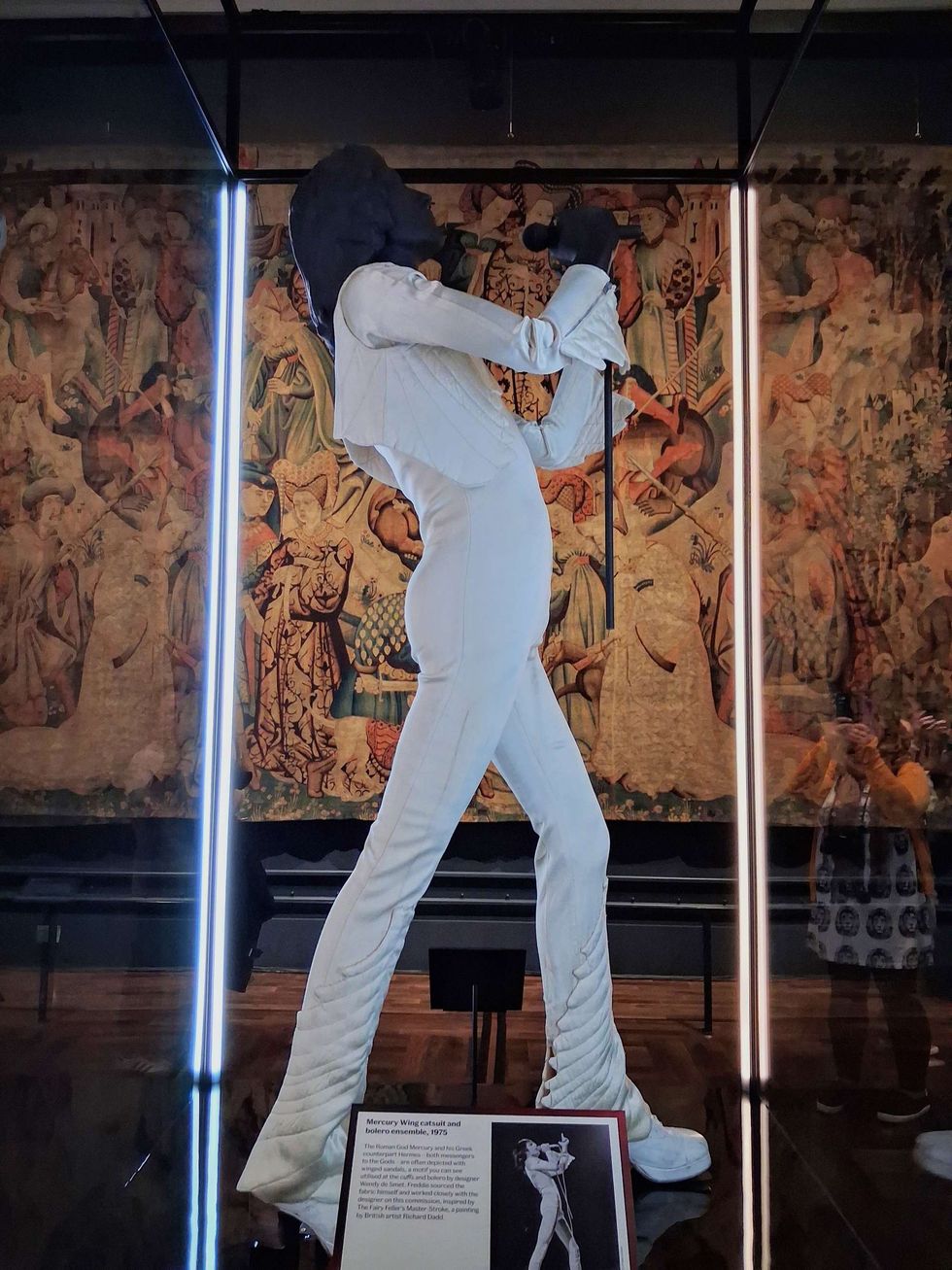 Mercury Wing Catsuit and bolero ensemble (1975)Amit Roy
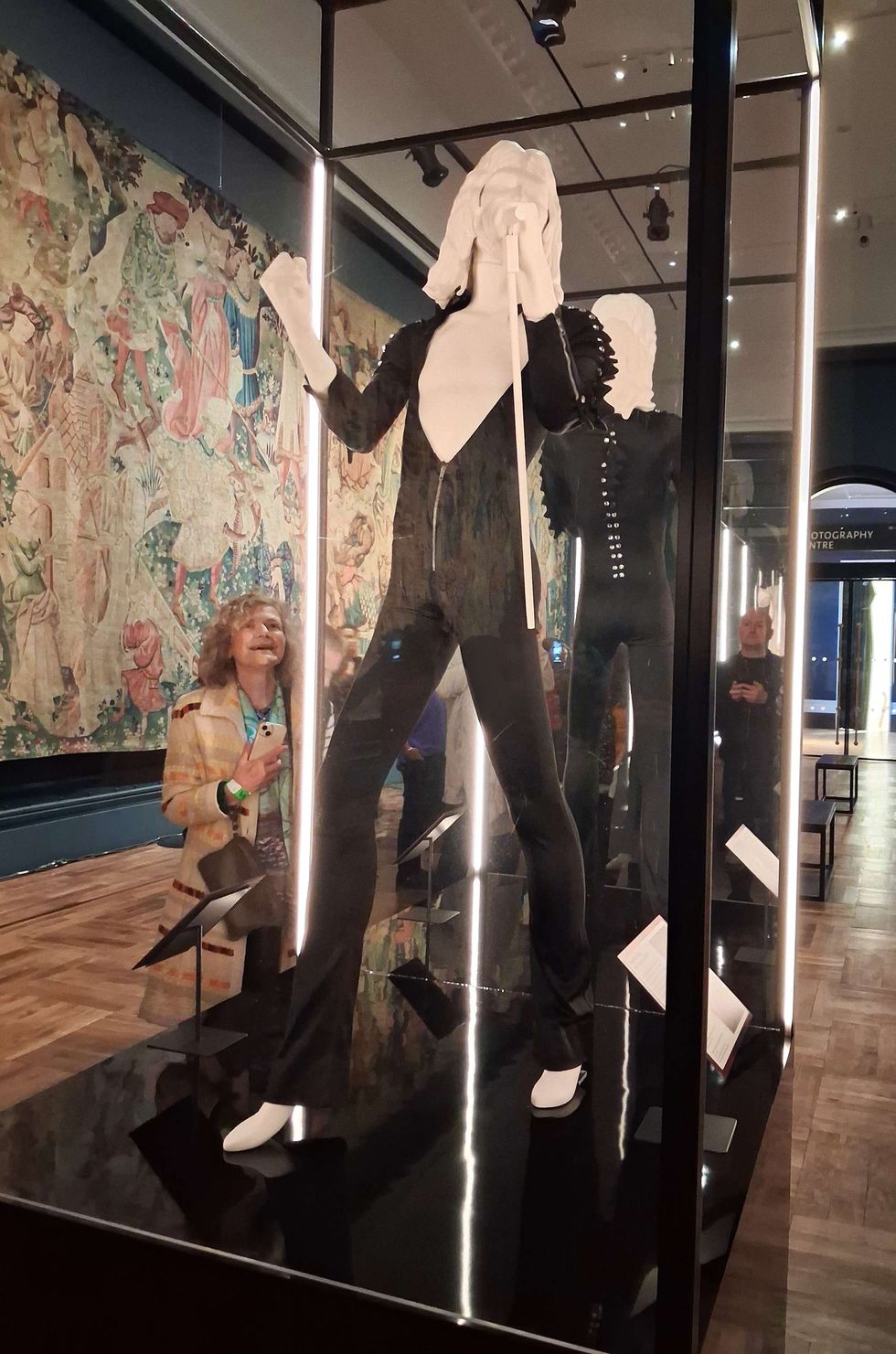 Designer Wendy de Smet with the spine suit or the Black Queen suit from 1975 Amit Roy
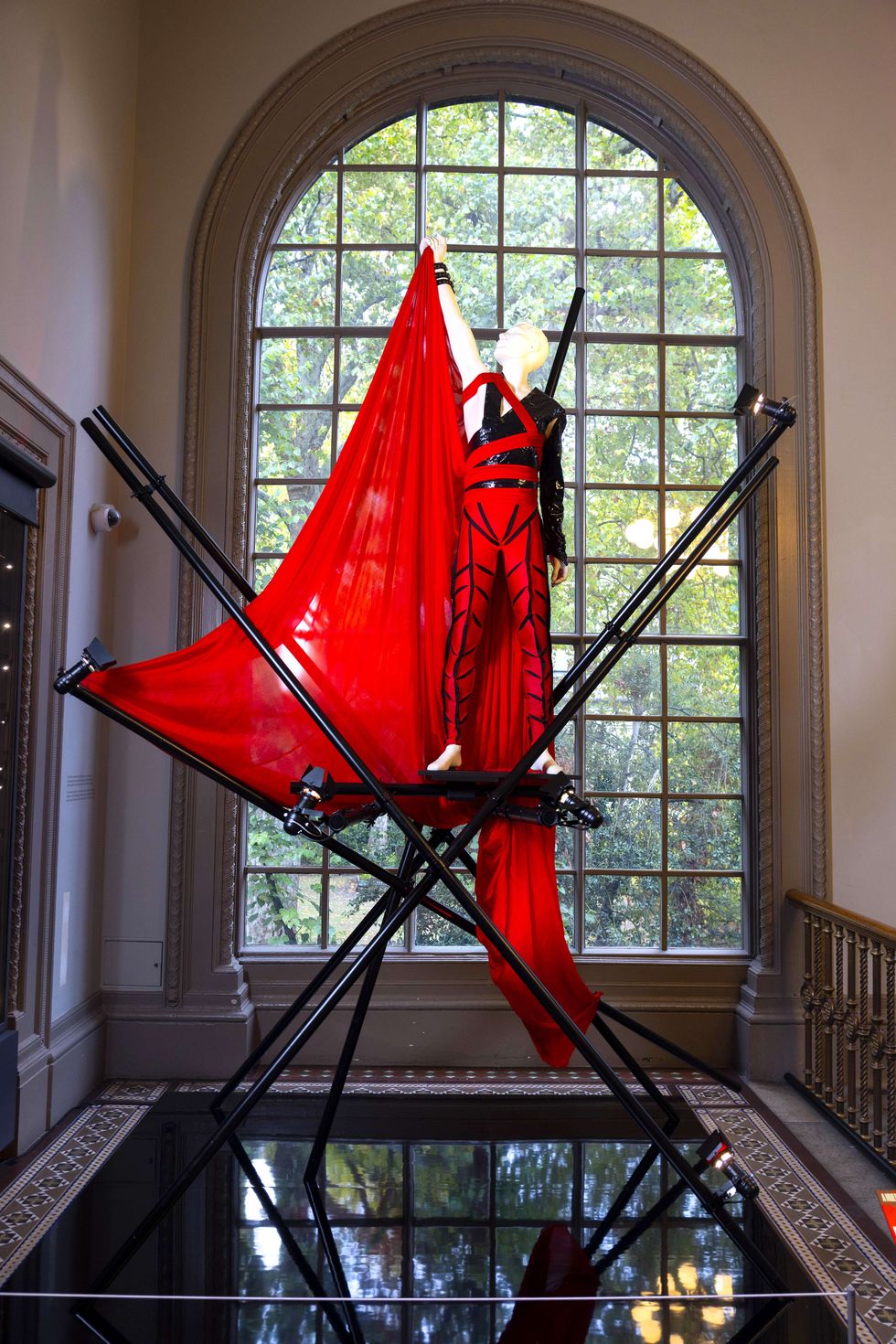 Made in Heaven music video costume (1985) David Parry/V&A
 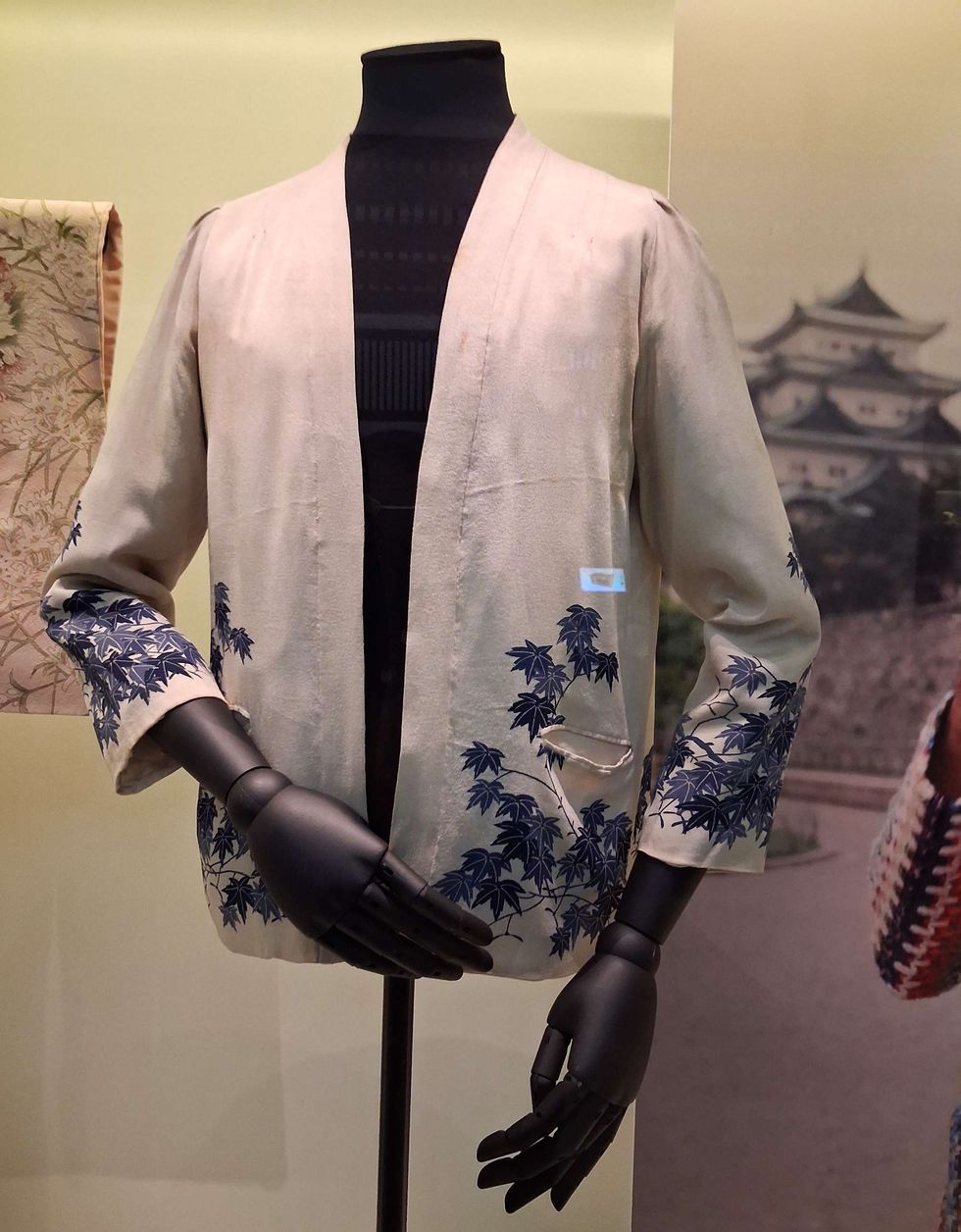 Japanese jacket (early 1970s)Amit Roy
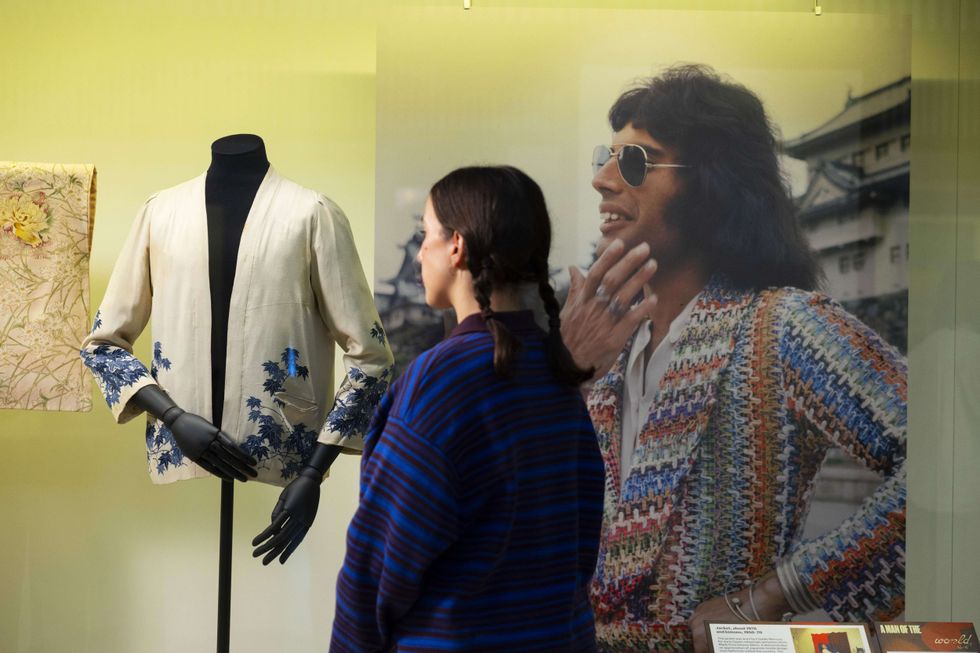 Japanese jacket (early 1970s) and kimono (1950-70) David Parry/ V&A
 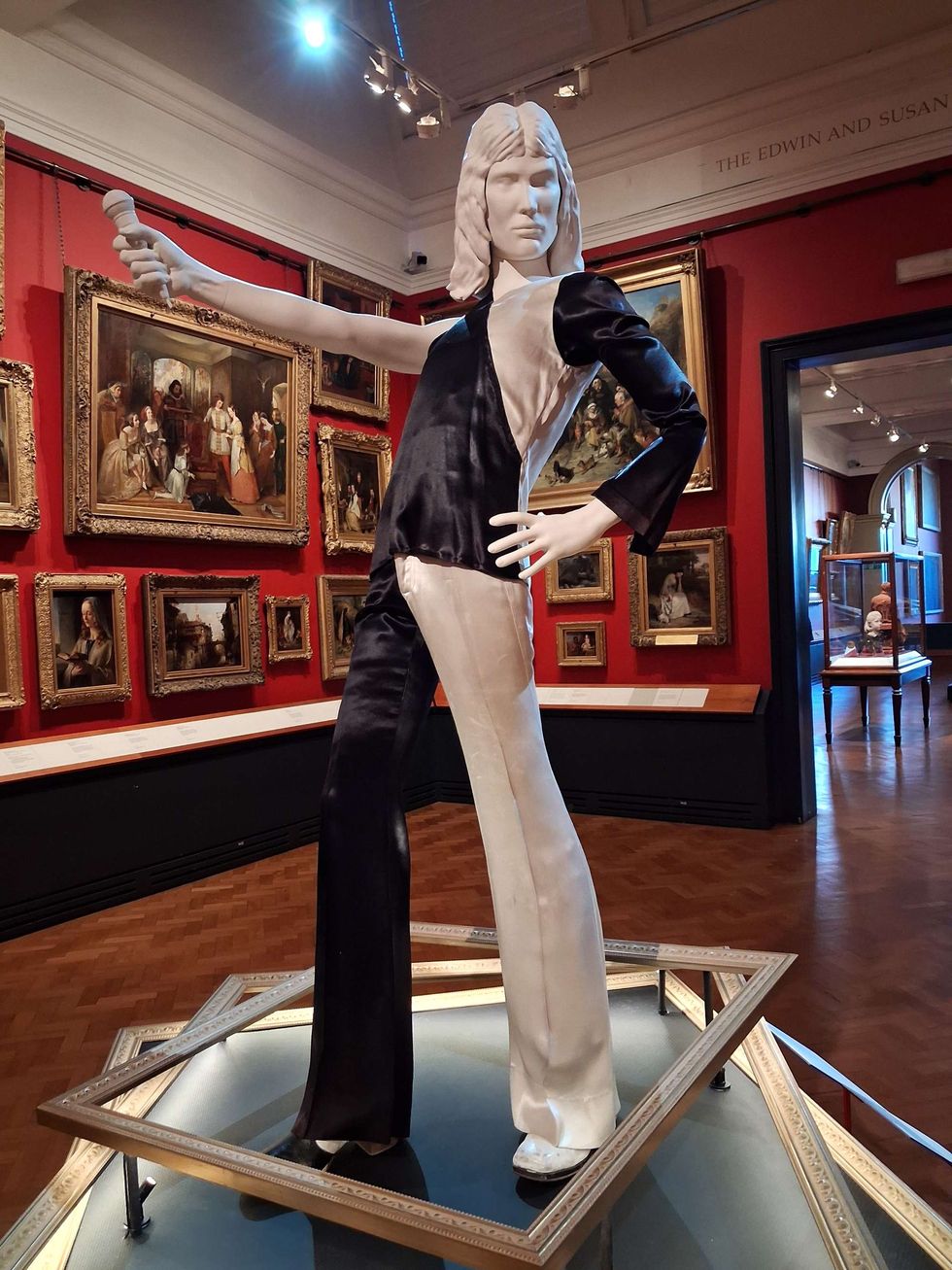 Ensemble worn for Imperial College gig in 1973Amit Roy
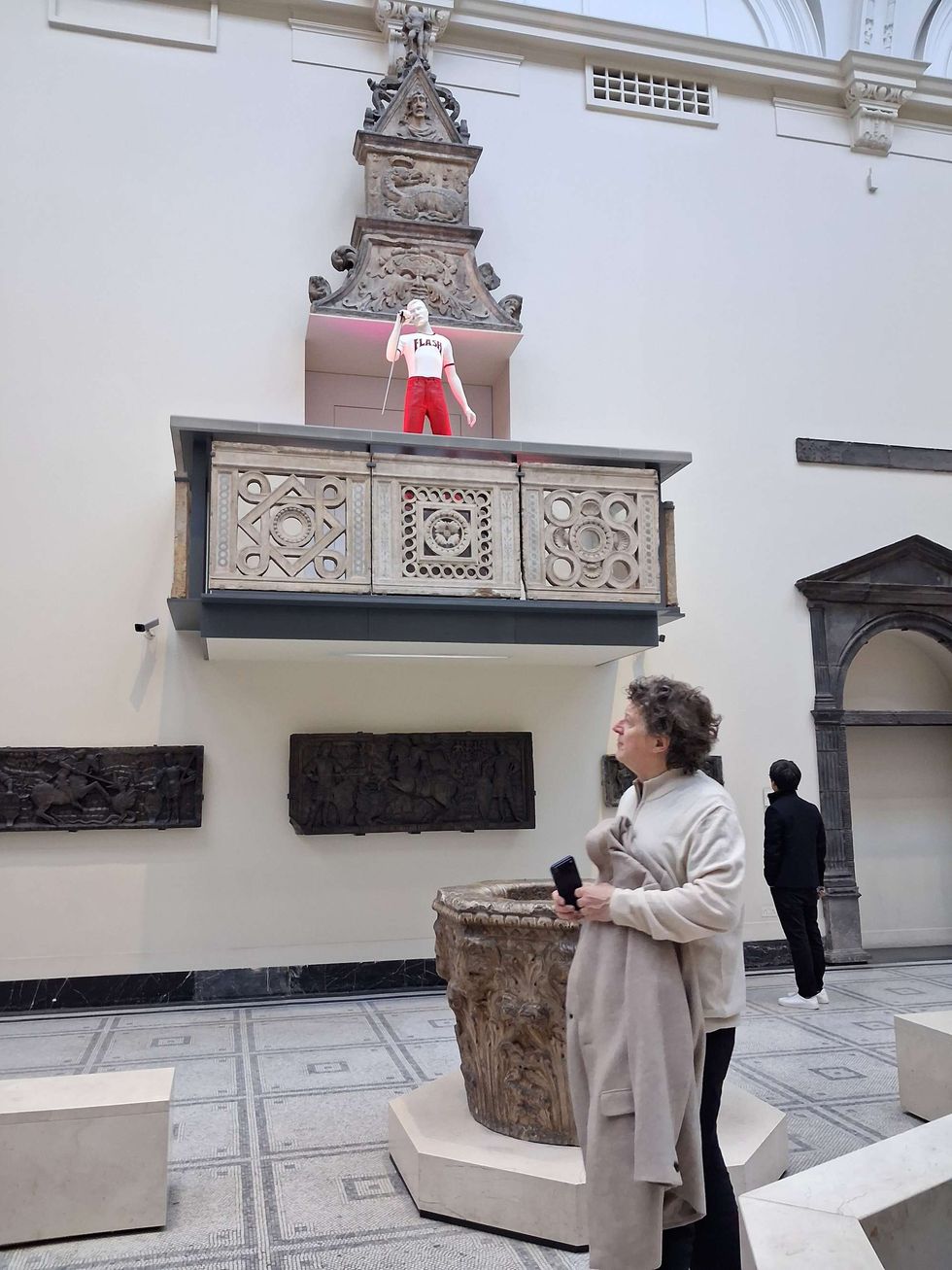 Flash ensemble and half mic (Flash Gordon 1980)Amit Roy
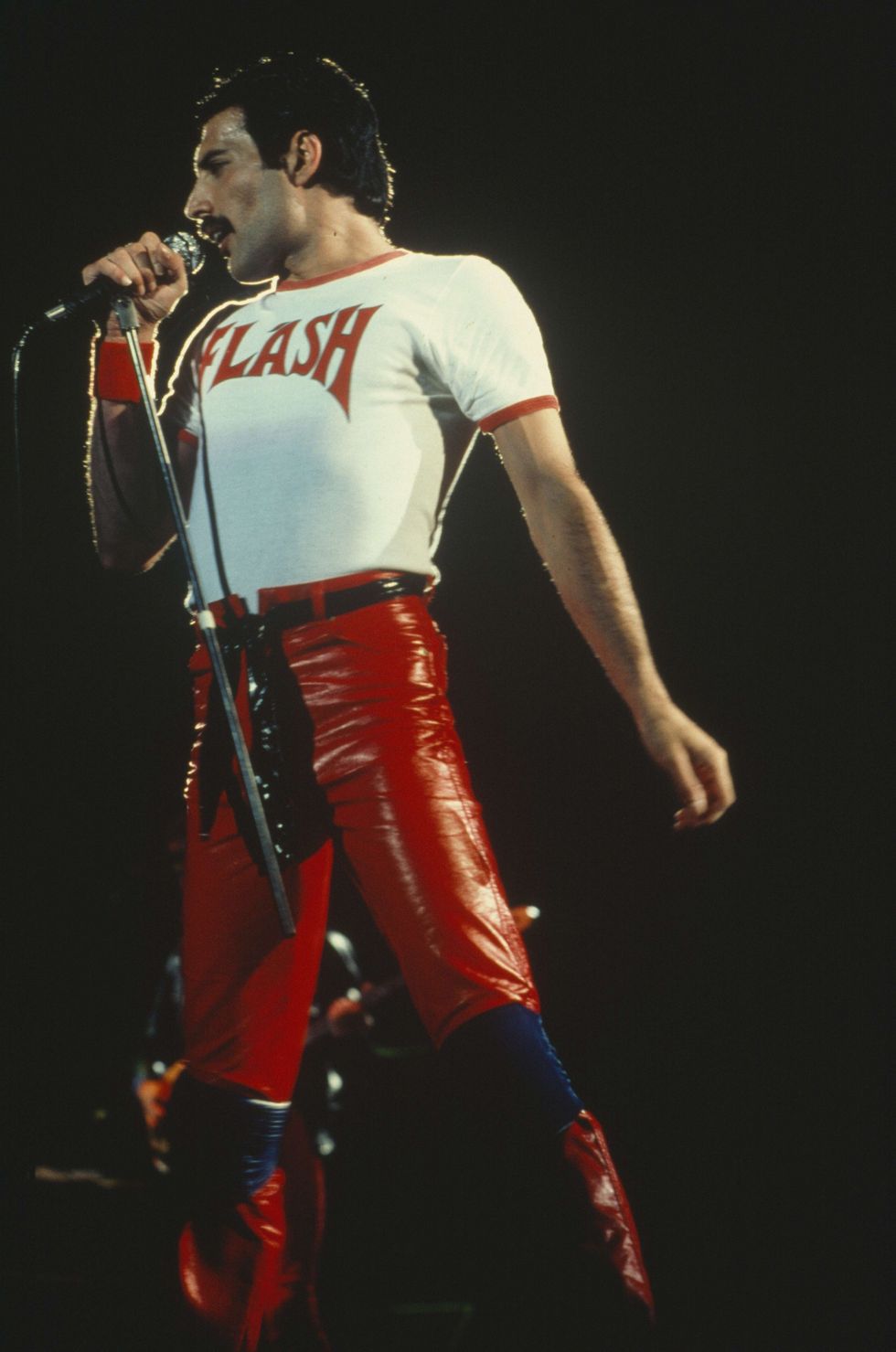 Freddie Mercury performs wearing a 'Flash' t-shirt at Sports Arena in San Diego, California, United States, on 5th July 1980David TanShinko Music/Getty Images
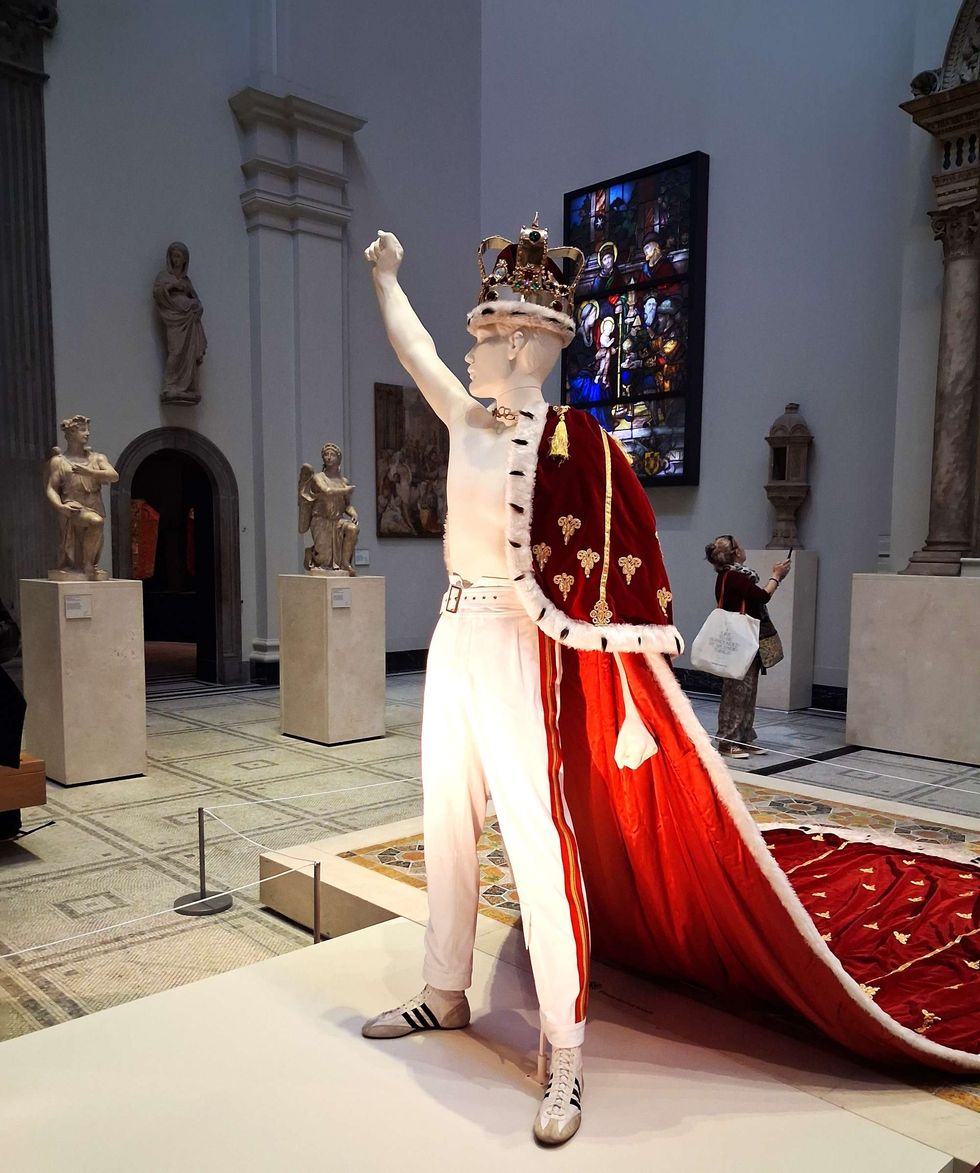 Cloal and crown ensembleAmit Roy
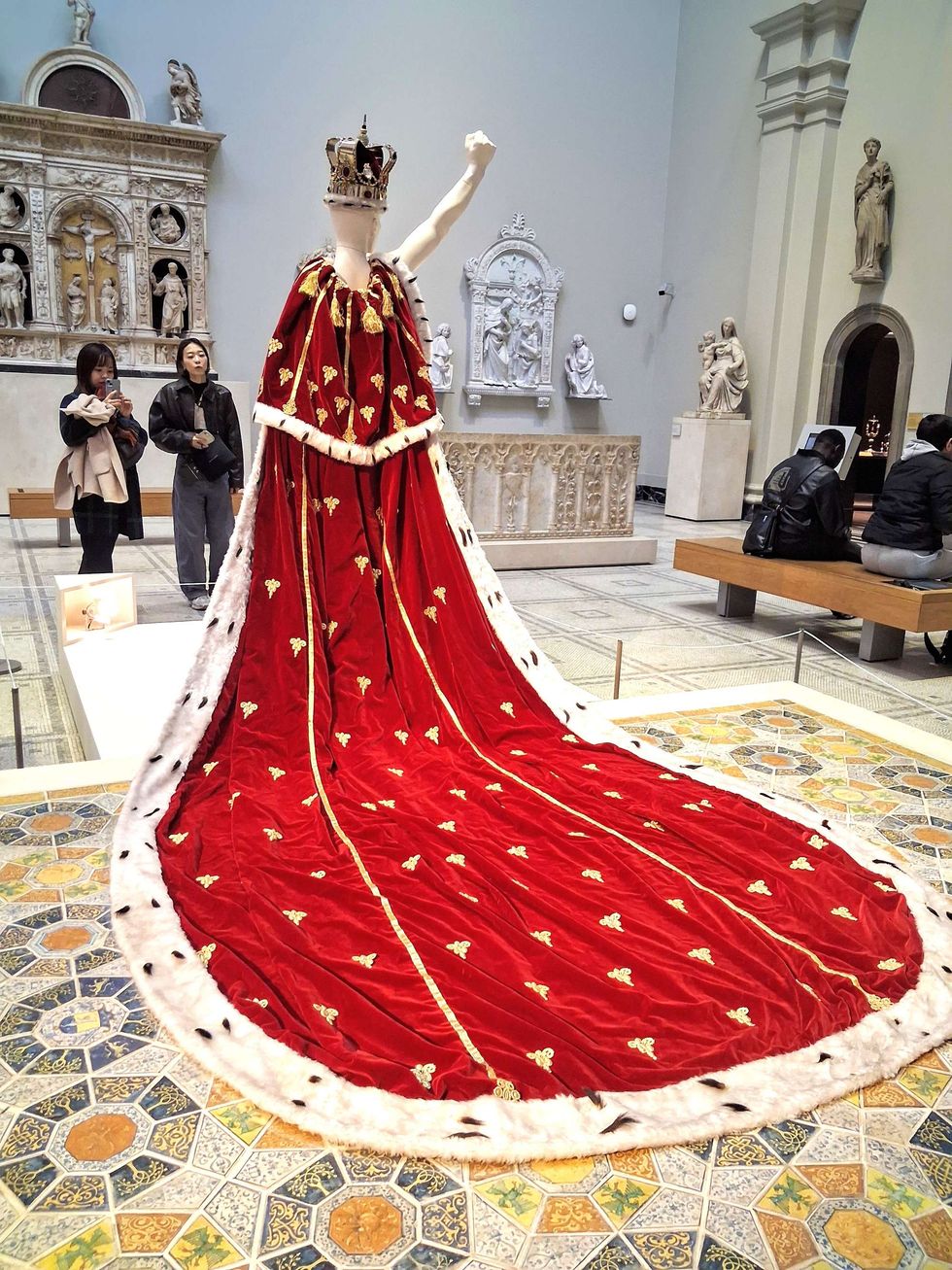 Cloak and crown ensemble (1986)Amit Roy
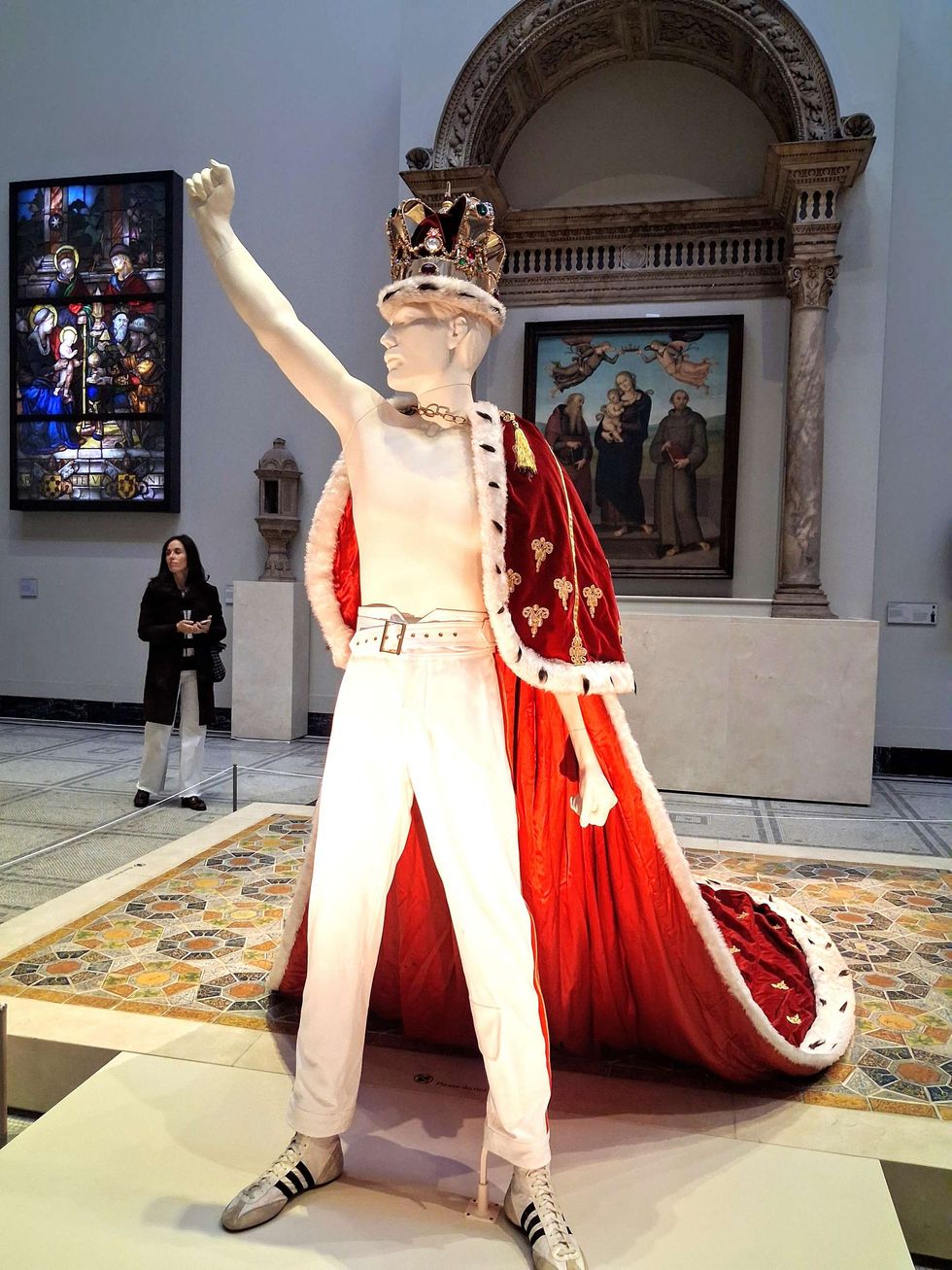 Cloak and crown ensemble (1986)Amit Roy
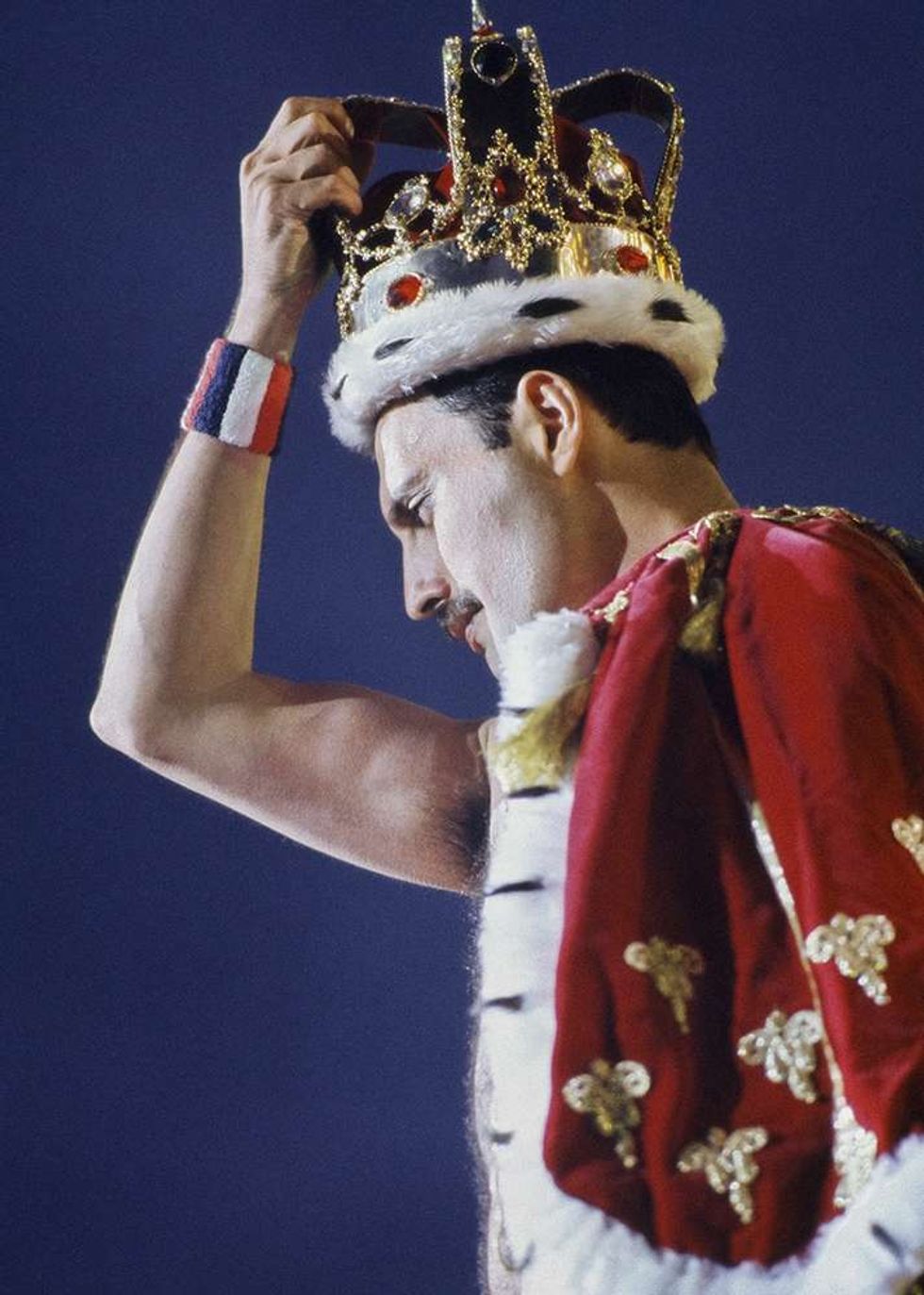 Freddie Mercury, Magic Tour (1986) Denis O’Regan