
- Six authors shortlisted for the Women’s Prize for Nonfiction 2026.
- Arundhati Roy and Lyse Doucet feature with memoir and reportage.
- Data shows men still dominate key nonfiction categories despite gains by women.
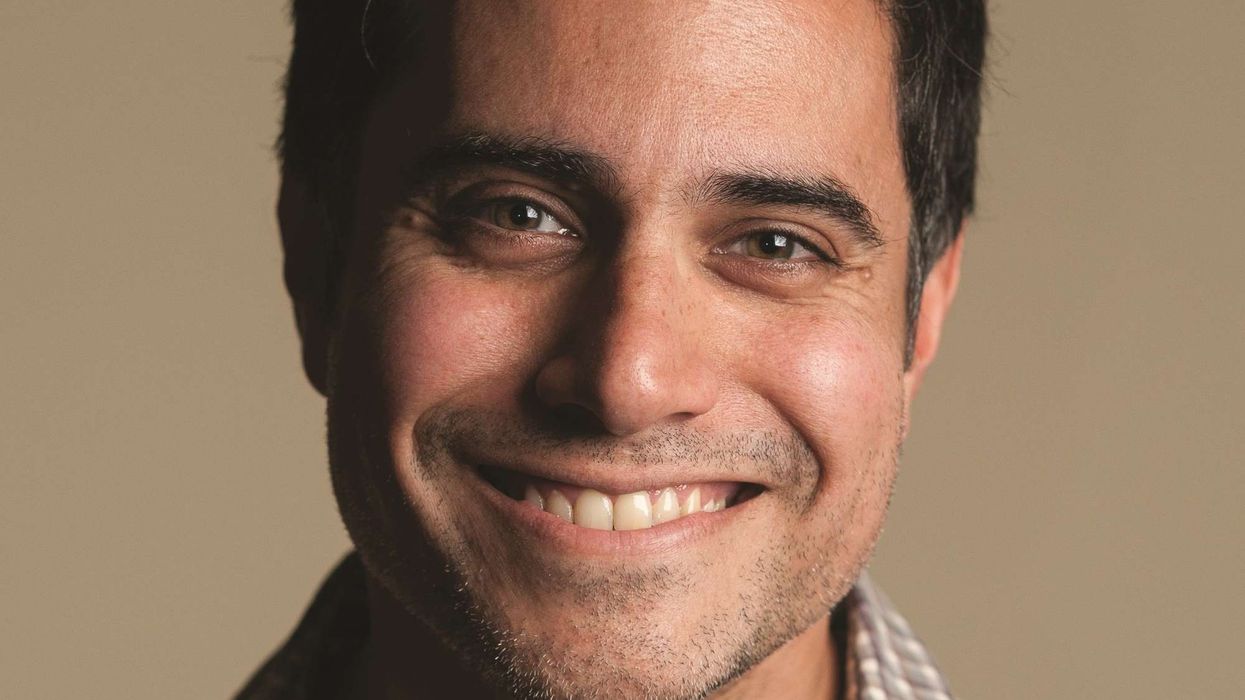
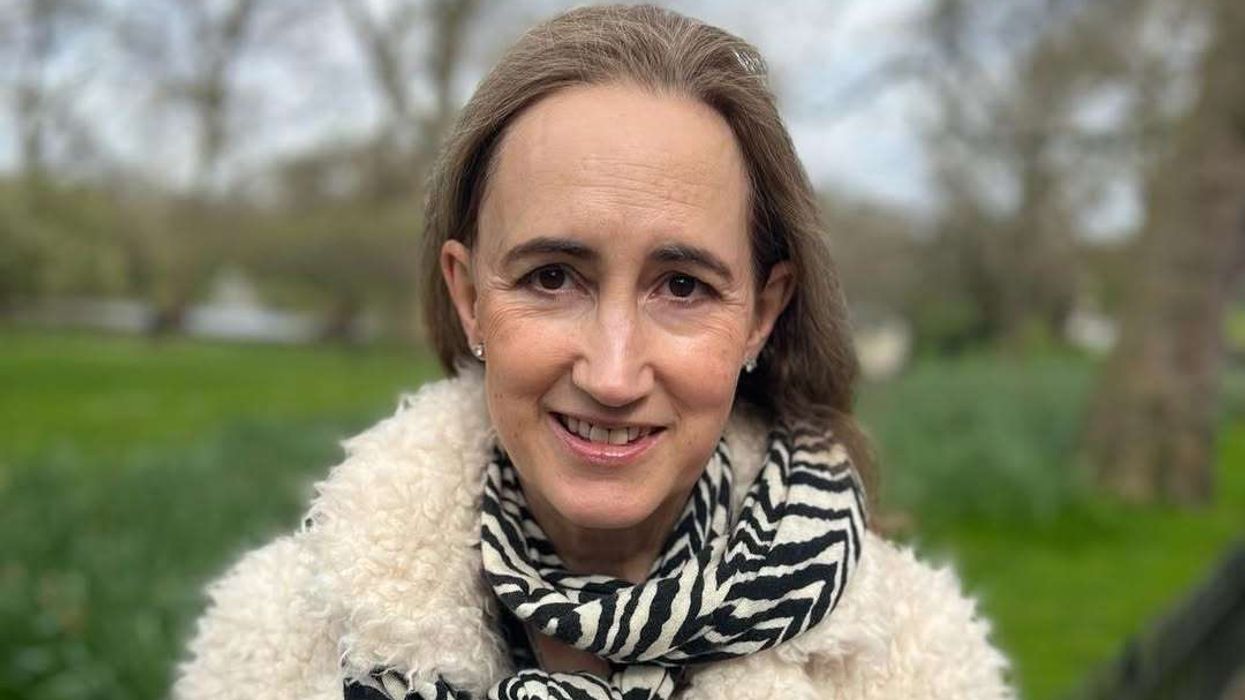
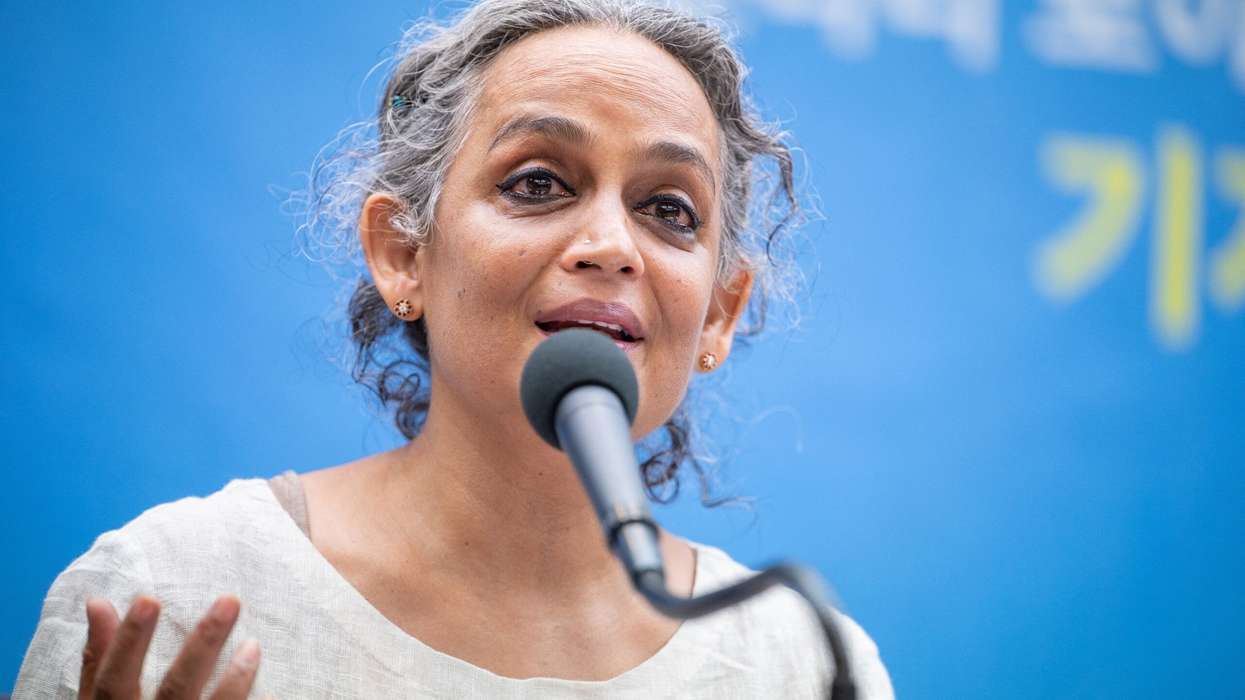
Arundhati Roy, Lyse Doucet and Judith Mackrell are among six writers shortlisted for the Women’s Prize for Nonfiction 2026, a £30,000 award set up to address the long-running gender gap in nonfiction publishing.
They are joined by Jane Rogoyska, Ece Temelkuran and Daisy Fancourt. The prize, launched in 2024, is still relatively new but is already positioning itself as a corrective to what organisers describe as an uneven playing field.
Roy, who won the Booker Prize in the past, is shortlisted for Mother Mary Comes to Me, a memoir exploring identity, motherhood and her development as a writer. Meanwhile, Doucet’s The Finest Hotel in Kabul traces Afghanistan’s modern history through the lens of a single hotel, blending reportage with personal observation.
Rogoyska’s Hotel Exile takes a similar approach, but shifts the setting to Paris during the second world war, focusing on the Hotel Lutetia and its role during the Nazi occupation. Mackrell’s Artists, Siblings, Visionaries looks at the lives of British artists Gwen and Augustus John, while Temelkuran’s Nation of Strangers explores themes of exile and belonging. Fancourt’s Art Cure rounds off the list with a study of how the arts intersect with health and wellbeing.
The bigger picture behind the prize
Alongside the shortlist, organisers released fresh data pointing to persistent gender imbalance in nonfiction. Women are gaining ground in some areas — their share in popular science has reportedly risen from 11 per cent in 2023 to 22 per cent in 2025, and in philosophy from 5 per cent to 10 per cent.
But the broader picture remains uneven. Men continue to dominate categories such as business and management at 93 per cent, sport at 90 per cent and politics at 82 per cent.
Thangam Debbonaire, chair of judges, said the shortlist offers “a timely and timeless interrogation of our world”, as quoted in a news report. She added that the books act as “an urgent antidote to mis- and disinformation”, reportedly highlighting their research depth and relevance.
The prize itself was created after research found that only 35.5 per cent of winners across major UK nonfiction awards over a decade were women — a statistic that continues to frame its purpose.
Last year’s winner was Rachel Clarke for The Story of a Heart, while Naomi Klein won the inaugural award with Doppelganger.
The 2026 winner will be announced on June 11, alongside the Women’s Prize for Fiction, with the recipient taking home £30,000 and a limited-edition artwork known as the Charlotte.