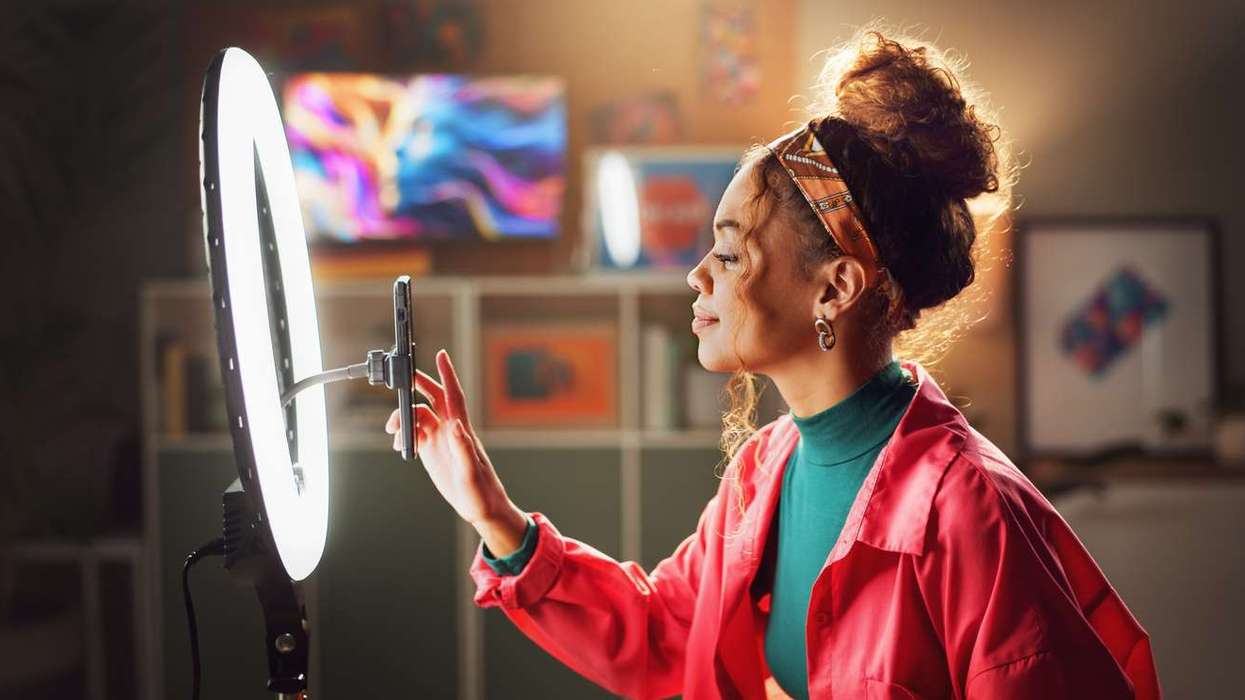

If you're a travel content creator juggling sunrise reels and sunset vlogs, a food blogger racing against melting cheese, or a daily vlogger balancing your corporate life and then trying to stay consistent on YouTube and Instagram, this story probably feels like an answer to those teeny-tiny issues you face in your creative space.
You love creating. You don't love editing.
By the end of 2025, the creator economy crossed a major milestone. Industry estimates suggest over 200 million people worldwide identify as content creators, from the biggest of the biggest, like travel vloggers, to even the smallest of the smallest people with small businesses trying their best to bring in the trend for their products. The videos are longer for YouTube, whereas they are shorter for Instagram, and keeping up with those pages—oof!
Yet despite those cameras you invested in and smarter phones, one problem kept showing up in creator conversations: editing was slowing everyone down.
You shoot a beautiful cafe reel while travelling. You record a food plating shot that looks perfect. You vlog an entire day. And then...the files sit untouched. Not because you're lazy, but because opening heavy software, waiting for timelines to load, creating the storyboard, fixing aspect ratios, exporting, re-exporting, and resizing for three platforms feels exhausting.
 Industry estimates suggest over 200 million people worldwide identify as content creators, from the biggest of the biggest, like travel vloggers, to even the smallest of the smallest people with small businesses trying their best to bring in the trend for their products.iStock
This is where many creators quietly changed how they work.
If you are creating for social media, speed matters more than ever, especially keeping up with trends, which change almost every day. Algorithms reward consistency. Audiences expect subtitles, clean audio, vertical framing, and quick cuts. But you don't always need cinematic transitions or colour grading worthy of a film festival. Sometimes you just need the edit done—NOW.
That's why more creators began relying on browser-based editing workflows. Instead of downloading software or switching devices, wishing if this can be done under ONE umbrella, where the editing is faster. A one-stop solution for everything with minimal effort is what creators are asking for as their wish.
From food creators especially, timing is everything. A recipe video doesn't wait. Being able to cut, crop, add text, adjust brightness, and export can be the difference between posting today or abandoning the draft altogether. Travel creators face the same issue: editing on the go, often without laptops that can handle heavy software. Who wants to travel the whole day and burn midnight oil with tired eyes to edit those videos?
Many creators now keep lightweight online tools bookmarked for exactly these moments. Some platforms fit naturally into this routine, not as a replacement for professional editing software, but as a practical solution for everyday content fixes, trimming clips, resizing for Instagram or YouTube Shorts, adding subtitles for silent viewers, or quickly merging shots into a story.
This shift isn't about lowering quality. It's about removing friction.
Creators began openly talking about 'editing fatigue,' that invisible wall where things pile up because post-production feels longer than filming itself. What helped wasn't working harder but simplifying. When editing becomes lighter, publishing feels easier, and consistency follows.
That’s why more creators began relying on browser-based editing workflows. Instead of downloading software or switching devices, you open a tab, upload your clip, make the change, and move on. Whether you’re resizing a horizontal travel clip into a vertical Reel, trimming dead air from a vlog, or compressing a video before uploading on hotel Wi-Fi, the appeal is obvious.
For food creators especially, timing is everything. A recipe video doesn’t wait. Being able to cut, crop, add text, adjust brightness, and export quickly can be the difference between posting today or abandoning the draft altogether. Travel creators face the same issue, editing on the go, often without laptops that can handle heavy software. Many creators now keep lightweight online tools bookmarked for exactly these moments.
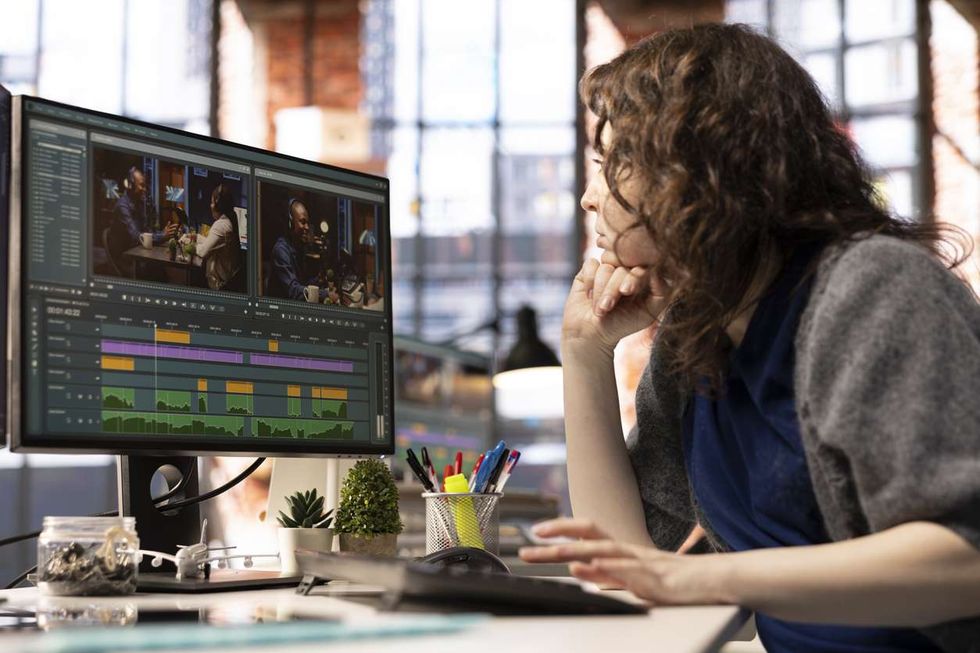 Long-form YouTube documentaries, sensitive client projects, or advanced effects still belong in desktop software. iStock
Editing fatigue taking all your time
Creators began openly talking about “editing fatigue”—that invisible wall where ideas pile up because post-production feels longer than filming itself. What helped wasn’t working harder, but simplifying. When editing becomes lighter, publishing feels easier. When publishing feels easier, consistency follows.
Another reason browser-based editing gained traction is how content consumption has changed. Most people now watch videos without sound. Subtitles aren’t optional. Text overlays, quick captions, and meme-style edits perform better across platforms. Being able to add or edit captions quickly, without building an entire timeline, became a priority for growth-focused creators.
Of course, these tools aren’t meant for everything. Long-form YouTube documentaries, sensitive client projects, or advanced effects still belong in desktop software. But for the bulk of social content like reels, Shorts, vlogs, memes, explainers, and daily uploads, creators are choosing speed over perfection.
If you’ve ever thought, “I’ll edit it later” and never did, you’re not alone. The quiet truth of the creator economy in 2026 is this: the creators who grow aren’t always the most talented editors. They’re the ones who remove barriers between idea and upload.
And sometimes, that starts with choosing simpler ways to get your content out into the world before motivation disappears and the algorithm moves on.