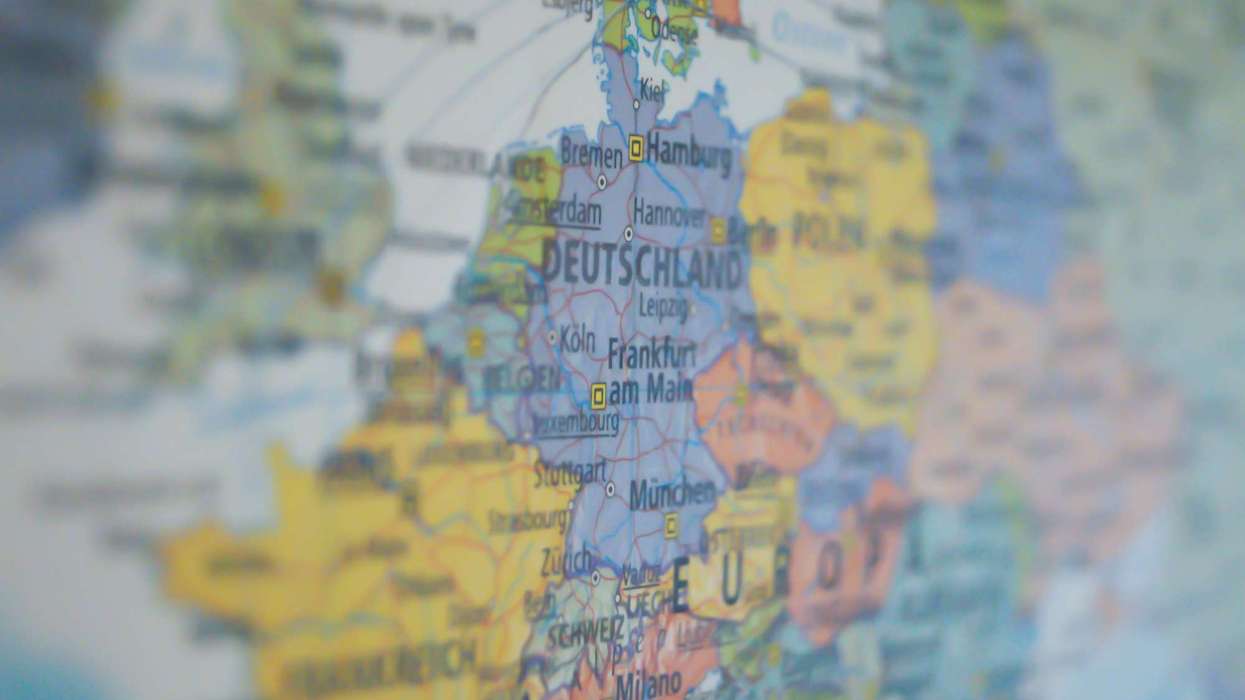

The way people learn about unfamiliar countries has shifted dramatically over the past two decades. Where once books, newspapers, and television documentaries shaped international understanding, today much of that knowledge begins with a search engine. A single query can open the door to geography, culture, economics, and social systems, often within minutes.
Search behaviour offers insight not just into what people want to know, but how global curiosity works. The questions people ask, the terms they use, and the paths they follow online reveal how countries are perceived, compared, and sometimes misunderstood.
The Starting Point of Curiosity
When researching a country for the first time, most people begin with broad, factual questions. Where is it located? How large is the population? What languages are spoken there? These searches help orient the unfamiliar and provide a basic framework for understanding.
From there, searches often become more personalised. Someone considering travel may look for the climate or transport. Someone with family ties might search for social customs or news. Others may be motivated by work, education, or a general interest sparked by something they encountered online.
What is notable is that very few people begin with depth. Search engines reward immediacy and popularity, which means surface-level information tends to dominate early results.
The Influence of Media and Visibility
Media coverage strongly shapes what people search for. Countries that appear frequently in international news cycles tend to be associated with a limited set of themes. Over time, these themes become shortcuts in global perception.
For example, a nation might be widely known for its natural environment, political stance, or a particular industry, even if those elements represent only a fraction of its reality. Search trends reinforce these impressions, because people tend to search for what they already expect to find.
This creates a feedback loop in which visibility fuels curiosity, and curiosity reinforces visibility.
Practical Searches Versus Contextual Understanding
Another pattern in global search behaviour is the divide between practical and contextual searches. Practical searches focus on logistics: employment, housing, education systems, healthcare, and digital infrastructure. These queries are common among migrants, students, and professionals.
Contextual searches, on the other hand, explore how life functions on a day-to-day level. These include questions about social norms, communication styles, media consumption, and digital habits. While equally important for understanding a country, they are often less visible in search results.
As a result, people may feel informed while still missing key cultural nuances.
How Comparison Shapes Learning
Increasingly, people research countries by comparing them rather than in isolation. Instead of asking what one country is like, they ask how it differs from another. This is especially common among people navigating global systems, such as international education, remote work, or digital services.
Comparative searches might involve infrastructure, cost structures, or online access. In this context, someone researching digital ecosystems may encounter references to online casino providers when looking at Canada, where such platforms operate legally within a defined framework, as part of a broader comparison of how different countries structure online industries.
Here, the search is informational rather than participatory. It reflects how people gather reference points to understand how digital environments vary from one place to another.
The Role of Algorithms in Shaping Perception
What people learn through search is influenced heavily by algorithms. Popular topics rise, niche perspectives fall away, and well-optimised content often overshadows more nuanced reporting. Over time, this affects how countries are understood globally.
Algorithms favour clarity and repetition, not complexity. As a result, countries with diverse internal realities can appear one-dimensional online. This is particularly true for nations outside dominant media markets, where fewer local voices are amplified internationally.
For readers, this means that search results should be approached critically, with an awareness of what may be missing.
Diaspora Communities and Search Behaviour
Diaspora communities engage with search differently. Their queries are often ongoing rather than episodic, shaped by family ties, cultural maintenance, and transnational awareness. Searches may include news updates, social developments, or changes in digital access.
Publications like Eastern Eye serve audiences who navigate multiple cultural contexts simultaneously. For these readers, search behaviour is not about novelty, but continuity, staying informed about places that remain personally significant even from a distance.
This layered relationship with information highlights how search engines function not just as tools for discovery, but as bridges between lived experiences.
Moving Beyond Surface-Level Knowledge
Understanding a country requires more than knowing which topics dominate search results. It involves seeking out long-form journalism, local perspectives, and sources that are not designed solely for visibility.
Search behaviour can tell us what the world notices first, but not what matters most. To move beyond surface impressions, readers must actively question why certain topics appear prominently and others do not.
This is especially important in an era where digital information often substitutes for direct experience.
A More Intentional Approach to Learning
Learning about countries online is unavoidable in a connected world, but it does not have to be passive. By recognising patterns in search behaviour, readers can approach information more thoughtfully, distinguishing between popularity and relevance.
Curiosity, when paired with discernment, leads to deeper understanding. Search engines may open the door, but meaningful knowledge comes from choosing where to go next.
In that sense, how people search is only the beginning of how they come to know the world.
This article is paid content. It has been reviewed and edited by the Eastern Eye editorial team to meet our content standards.