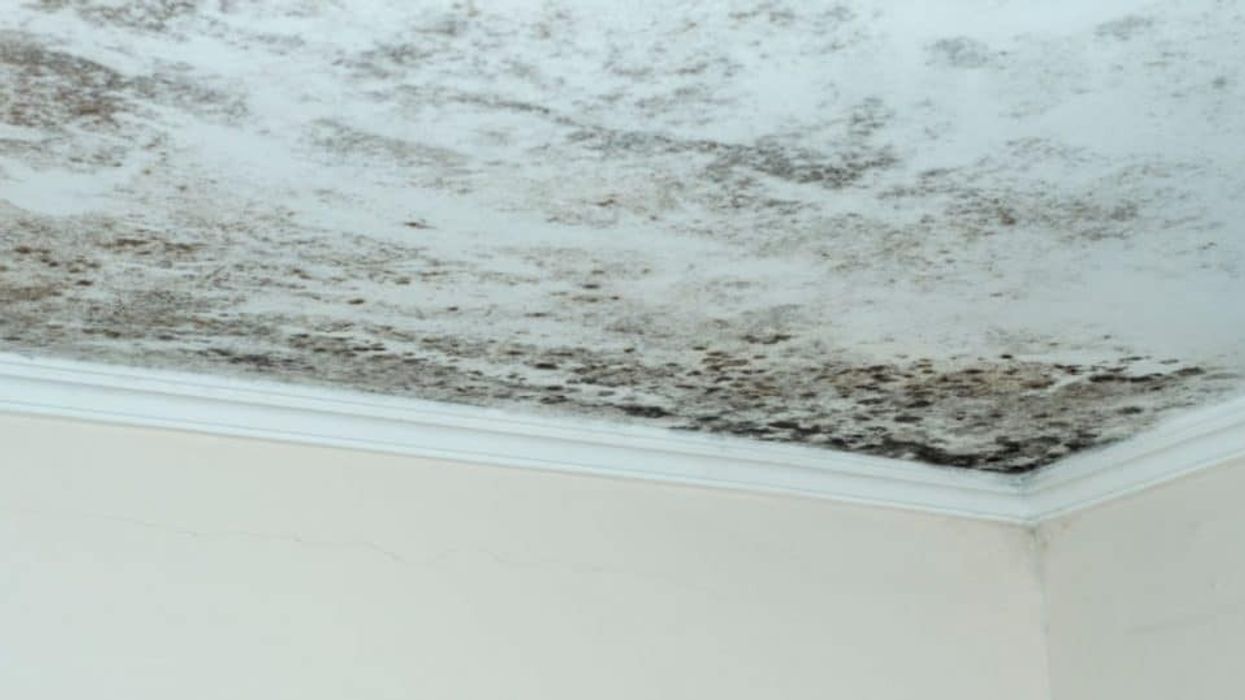

Have you ever noticed dark patches or a musty smell wafting from your bathroom ceiling? You’re not alone. Mold is a silent intruder in many homes, especially in humid areas like bathrooms, where ventilation is poor. It’s not just unsightly—it can also trigger health problems, particularly for young children, elders, and those with asthma or allergies.
In this guide, we’ll break down how to get mold off bathroom ceiling areas effectively and safely. We’ll also explore what causes mold on bathroom ceiling surfaces and how families—especially in multi-generational or apartment-style homes—can prevent it from coming back.
What Causes Mold on Bathroom Ceilings?
To understand how to tackle mold, we first need to understand why it appears.
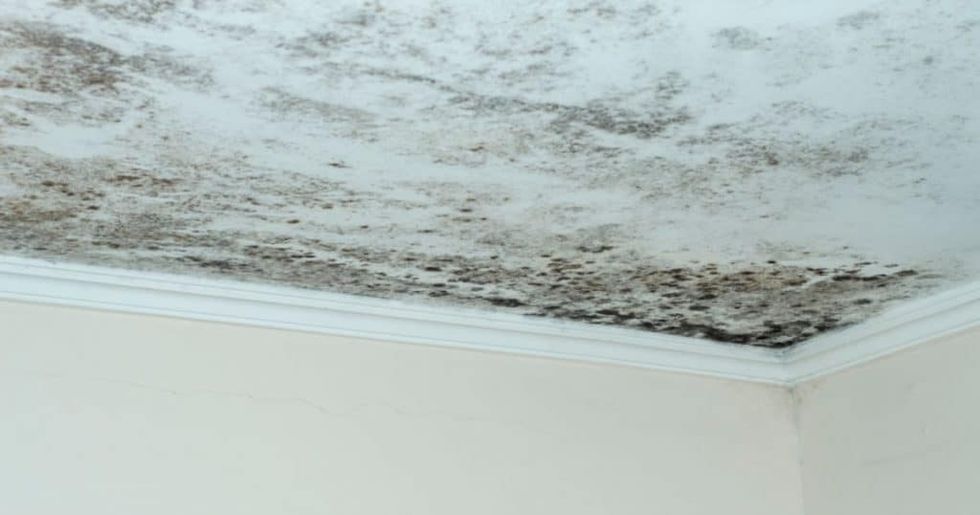
Mold spores are always around us, but they need the right conditions to grow. Bathrooms often check all the boxes:
- Excess humidity from hot showers or baths
- Poor airflow or no ventilation
- Ceiling moisture due to condensation
- Infrequent cleaning, especially in hard-to-reach places.
Fact: According to the World Health Organization (WHO), prolonged exposure to indoor mold can lead to respiratory infections, sinus issues, and worsen asthma symptoms.
How to Get Mold Off Bathroom Ceiling: Step-by-Step
You don’t need harsh chemicals to remove mold effectively. Many families prefer natural, affordable solutions.
Step 1: Gather Your Materials
- White vinegar or hydrogen peroxide
- Baking soda
- A spray bottle
- Scrub brush or old toothbrush
- Protective gear (gloves, goggles, face mask).
Step 2: Apply a Natural Cleaning Solution
Spray white vinegar directly onto the moldy area. Let it sit for 1 hour. For tough patches, sprinkle baking soda on top and scrub gently with a brush.
Step 3: Rinse and Dry Thoroughly
Wipe the area with warm water and a clean cloth. Make sure it dries fully—use a fan or open windows if possible.
Step 4: Repeat Weekly Until Gone
Even small mold spots can spread. Repeat the process weekly until the area stays clear for good.
Is Mold on the Ceiling Dangerous?
While not all molds are toxic, even common household types can cause:
- Allergic reactions (sneezing, skin rashes)
- Respiratory symptoms (coughing, wheezing)
- Long-term complications for people with weak immune systems.
South Asian households, where multiple generations often share space, should be particularly mindful—protecting young children and elders is key.
How to Prevent Mold From Coming Back
Knowing how to get mold off bathroom ceiling is just one part of the solution. Prevention is the real game-changer.
Improve Ventilation
The biggest culprit in mold formation is poor ventilation. Install or upgrade your bathroom’s airflow system. A ceiling extractor fan can help remove excess moisture and prevent ceiling condensation from forming.
Keep Humidity Levels Below 60%
Use a hygrometer to measure humidity. If it’s too high:
- Open windows after showers
- Run a dehumidifier
- Leave the door open when not in use.
Wipe Down Surfaces Daily
Ceilings may not be easy to reach, but routine cleaning—even with a mop or long-handled cloth—can make a difference.
Use Mold-Resistant Paint
If you’re renovating or repainting, choose paints with mold-inhibiting properties for extra protection.
Cultural Considerations: Mold in Multi-Generational Homes
Many families in the South Asian community live in homes where bathrooms are shared among multiple people. With daily hot showers, cooking steam from nearby kitchens, and limited airflow, mold can form quickly.
Sharing preventive responsibilities—like switching on fans, wiping surfaces, and airing out the room—can help keep everyone healthy.
Final Thoughts
Understanding how to get mold off bathroom ceiling areas is a practical life skill, especially for new homeowners or renters in humid environments. By tackling both the symptoms and the root causes—like poor airflow and ceiling moisture—you can create a safer, healthier home.
Prevention is always better than a cure, and with tools like a ceiling extractor fan, natural cleaning agents, and consistent habits, mold doesn’t stand a chance.