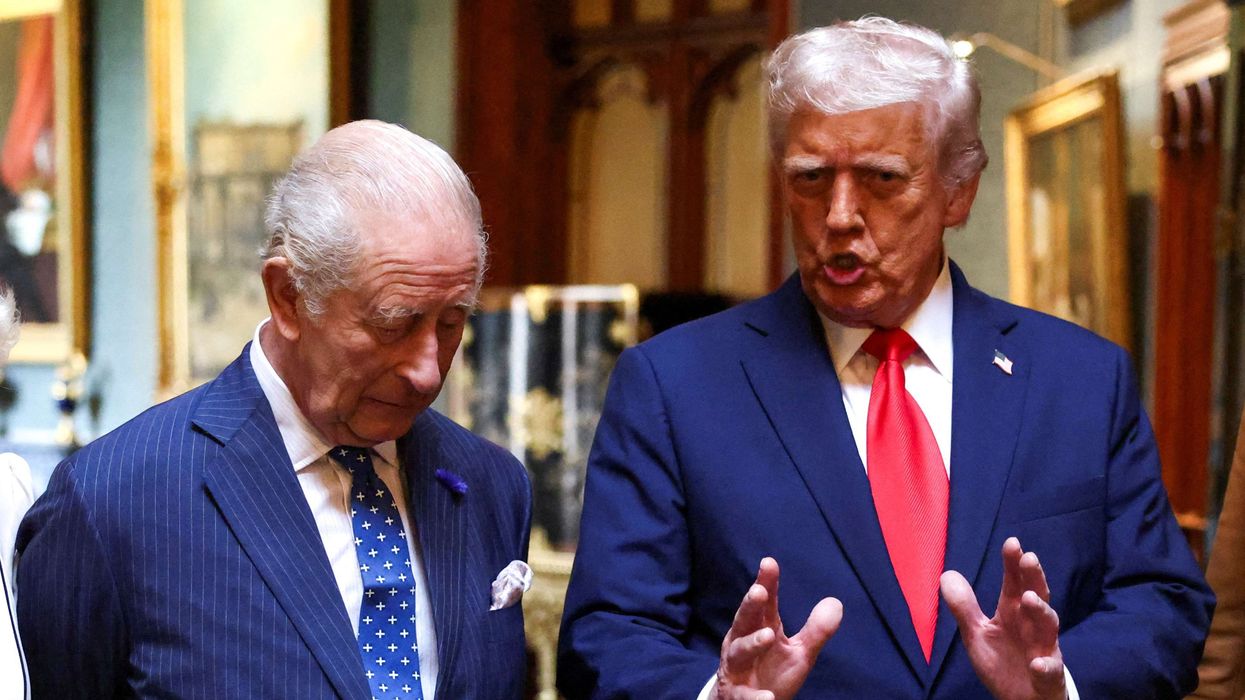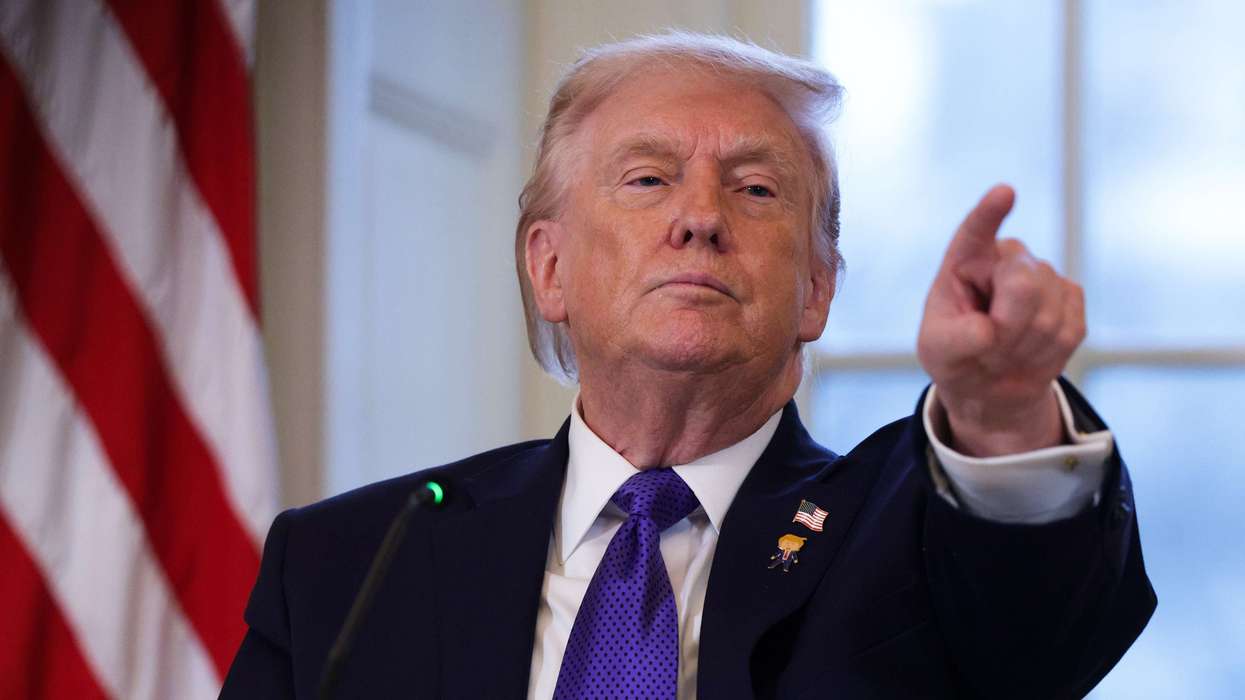

When I was at school in the 1960s and 70s, every playground had one child who appointed himself monitor without being asked. He believed he was keeping order, but tended to enforce rules selectively and change them when it suited him. On the global stage, that role has long been claimed by the United States – the self-described policeman of the world. I have to admit, I’ve never been entirely convinced by that self-portrait.
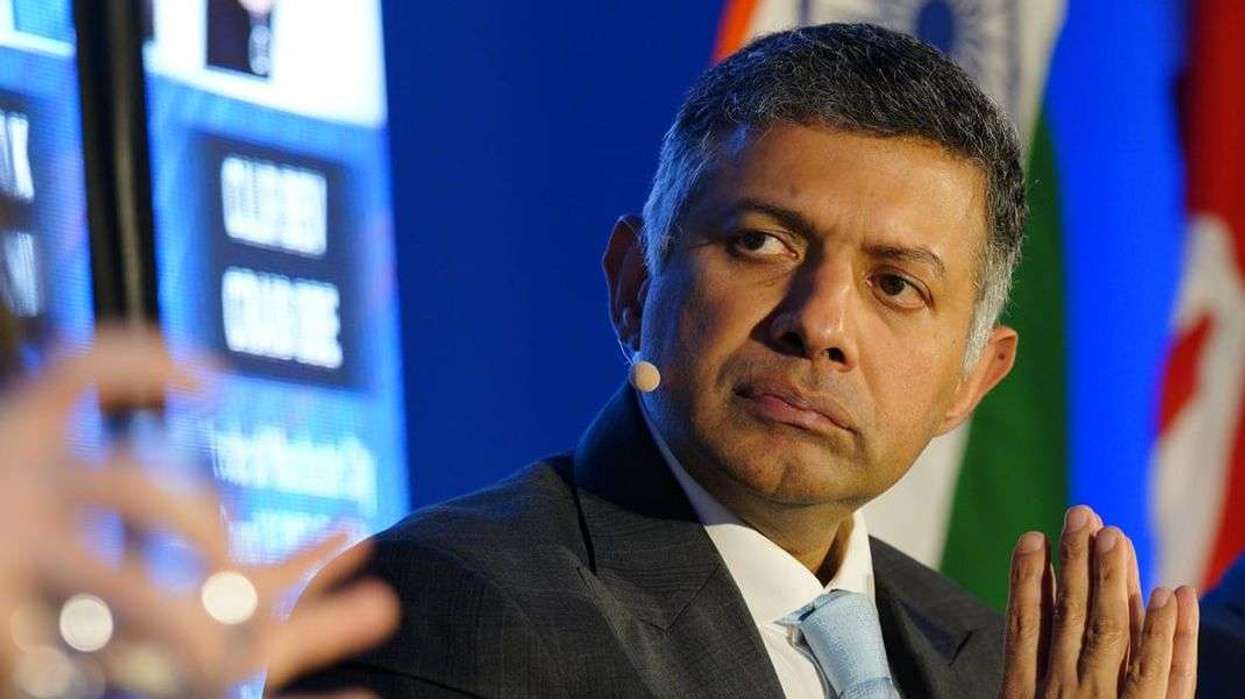
Perhaps that scepticism is shaped, in part, by my Indian ancestry. India’s historical experience of being ‘managed’ by an external power leaves a lasting awareness of how moral language can be used to justify control. Once you grow up with that history in mind, you tend to look more closely at the gap between rhetoric and reality in international affairs.
That gap has been visible for decades. Afghanistan was framed as a necessary intervention, yet after twenty years of war, the outcome raised serious questions about strategy, effectiveness and long-term responsibility. Iraq was justified on claims that later proved unfounded, launched without broad international consent, and left behind deep regional instability. In both cases, international law and multilateral institutions appeared secondary to unilateral decision-making.
These were not isolated episodes. Similar instincts can be seen more recently in approaches to Venezuela, Iran and even discussions around Greenland, where strong language and strategic assertion have often overshadowed diplomacy and consensus-building. Different administrations may use different tones, but the underlying assumption – that power confers authority – has remained fairly constant.
What has always troubled me is how frequently the United States speaks about a ‘rules-based international order’ while appearing to interpret those rules flexibly when its own interests are at stake. International law works best when it binds the powerful as well as the weak. When that balance is lost, trust erodes.
This perception is shared well beyond America’s traditional adversaries. China and Russia openly question U.S. credibility, while India – shaped by its own history and its increasing confidence on the worlds stage – takes a more independent view than it once might have. None of these countries see the U.S. as a neutral referee; rather, they see a powerful actor whose commitment to rules can appear selective.
From an Indian perspective, this is especially apparent in South Asia. The United States has long maintained close ties with Pakistan for strategic reasons, even as concerns are periodically raised about extremism and regional stability. At the same time, India – a secular democracy and home to one of the largest Muslim populations in the world – is often subjected to pointed public criticism. Whether one agrees with those critiques or not, the contrast can feel uneven and, at times, diplomatically clumsy.
This isn’t an argument for moral relativism or for abandoning criticism altogether. Rather, it’s a plea for consistency. International rules carry weight only when they are applied evenly and transparently.
Sometimes I think that early exposure to playground politics helps people understand international relations more clearly. Not because bullying is desirable – it isn’t – but because it teaches you how power operates in practice. You learn how rules can be bent, how authority is asserted, and how language about ‘fairness’ often masks self-interest. Those lessons translate remarkably well to global affairs.
Supporters of American intervention often argue that this approach reflects strength and leadership. Yet Afghanistan did not become stable, Iraq did not become peaceful, and confidence in international law did not grow stronger as a result. If anything, scepticism deepened.
On a playground, authority is respected when it is fair, predictable and legitimate. The same applies internationally. Leadership is not just about power; it’s about restraint, consistency and credibility.
America may continue to see itself as the world’s policeman. But any policeman who expects respect must also respect the rules he enforces. Without that, authority fades – not with a bang, but quietly, as others stop listening.
Some of us have been watching that process unfold for a long time – first in history books, then on the playground, and now on the world stage.