Britain has set up a trade working group with India to prepare for a future deal following Britain’s exit from the European Union, trade minister Liam Fox said on Thursday (September 8).
Britain cannot formally agree trade deals with other countries until it has left the EU, a process which will take at least two years from when it kicks off divorce talks. But the government has said it can do preparatory work.
“There is nothing to stop us having discussions and scoping out future agreements,” Fox told parliament.
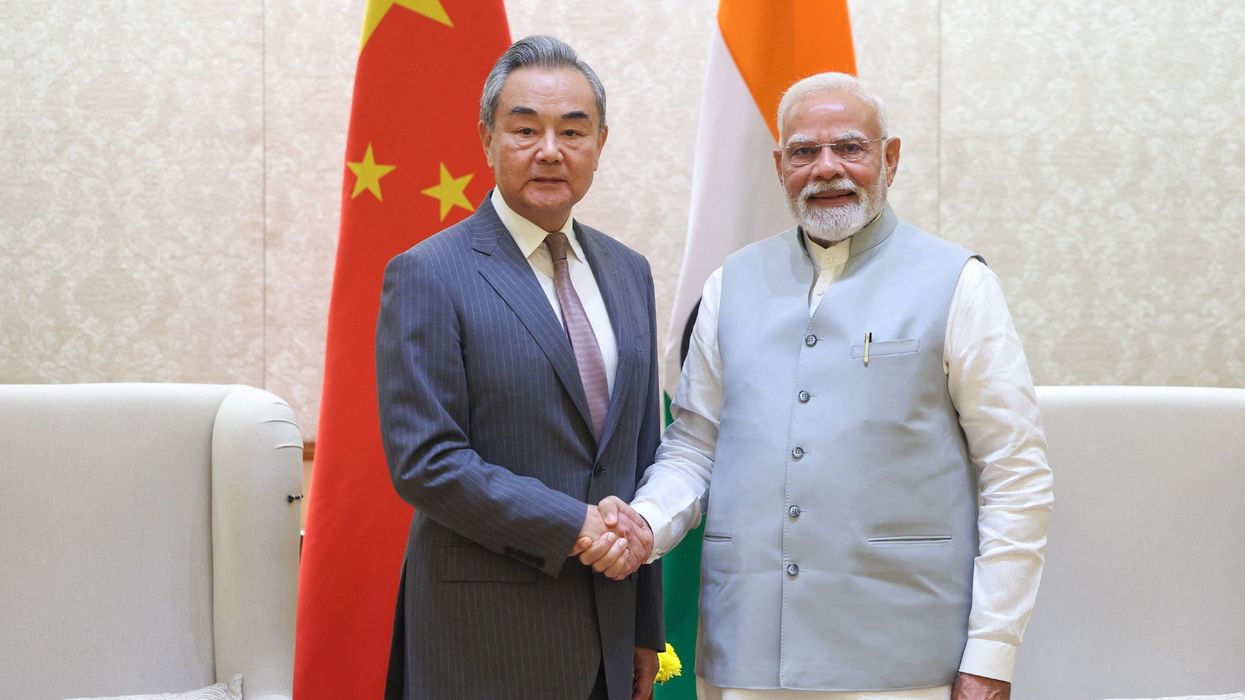
“We have now concluded a deal to set up a trade working group with India to look at how we will remove barriers to trade before we negotiate a free trade agreement on our exit from the European Union.”
Earlier this week, Britain said it had set up a similar group with Australia to “scope out the parameters” of a future deal and prepare for bilateral negotiations.
Fox said leaving the EU would give Britain greater freedom to strike its own trade agreements, including with some of the world’s largest and fastest-growing economies.
He also said that given the EU’s trade surplus with Britain, it would be in their interests to maintain “a very open free trading environment” with Britain following its exit from the bloc.
One of the first tasks for the trade department, which was created following Britain’s June 23 vote to leave the EU, is to boost the government’s trade expertise after decades relying on the EU to negotiate on its behalf.
In July, then business minister Sajid Javid said he wanted to have 300 experts in place this year, up from around 40.
Fox said on Wednesday the government’s trade policy team had already doubled in size since June 23.
“In the next two years we will be developing that team to build the world-class negotiating strengths needed to deliver the best outcomes for the UK,” he said, adding that it would also hire experts in specific sectors of the economy.
“In terms of negotiators we have already had strong expressions of interest from individuals, organisations and governments.”