I grew up Catholic, which meant trying to remember I had given up chocolate for Lent, to make the Easter Eggs more special. We occasionally had a bowl of soup at school, to donate our lunch money to an international development charity. That was officially called a ‘fast day’. It could hardly pretend to match the rigour with which many Muslims fast, from dawn to sunset, during their holy month of Ramadan.
I doubt I would have recognised the word “iftar” back then. Yet, the meal to break the fast has become familiar to more non-Muslims in recent years. Muslim families have often invited neighbours and friends to share a special moment.
“Typically, there was a lot of food”, my British Future colleague Avaes Mohammad recalls of his parents doing that. The conscious effort by mosques and interfaith allies to see hospitality and contact as promoting mutual understanding grew in Yorkshire, the north-west, London and beyond, after the July 7, 2005 terrorist attacks.
From 2013, "the Big Iftar” promoted that idea at scale, including to unusual allies.
I attended some of the more atypical Iftars. “We have never had a meal like this in the history of the Ministry of Defence”, the chief of the defence staff declared in 2014 at its first iftar. Defence secretary Michael Fallon spoke well about why this was an important year, the centenary of Khudadad Khan’s Victoria Cross earned in the First World War trenches, to increase recognition of more than a century of Muslim contribution to the armed forces. There was a power in hearing the Muslim call to prayer ring out across the Long Room at Lords, overlooking cricket’s hallowed turf. The English Cricket Board’s chief executive, who had been fasting for the day, did not resile from how that groundbreaking event arose from the pain of cricket’s racism scandal. Yet Azeem Rafiq’s presence at this event made it a powerful moment of reconciliation. The first Iftar on Leicester's Belgrave Road broke new ground this year, too.
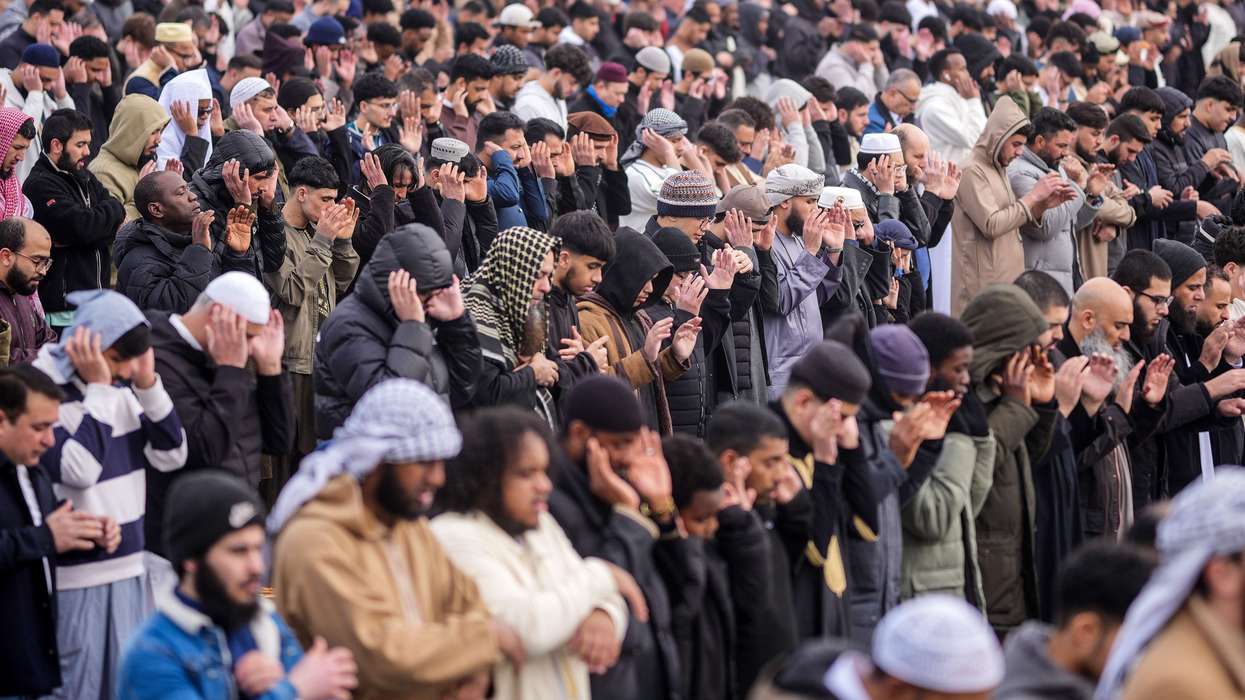
There was no novelty about the Open Iftar in Trafalgar Square last week. Shadow justice secretary Nick Timothy found the London mayor, Sir Sadiq Khan, attending prayer during the Open Iftar as an act of “domination” and “division”. Yet Sir Sadiq has been mayor for a decade this spring - a mayor who is Muslim, was sworn in at Southwark Cathedral, and who can be found in the square at Hanukkah, as he is for the major Christian, Hindu and Sikh festivals.
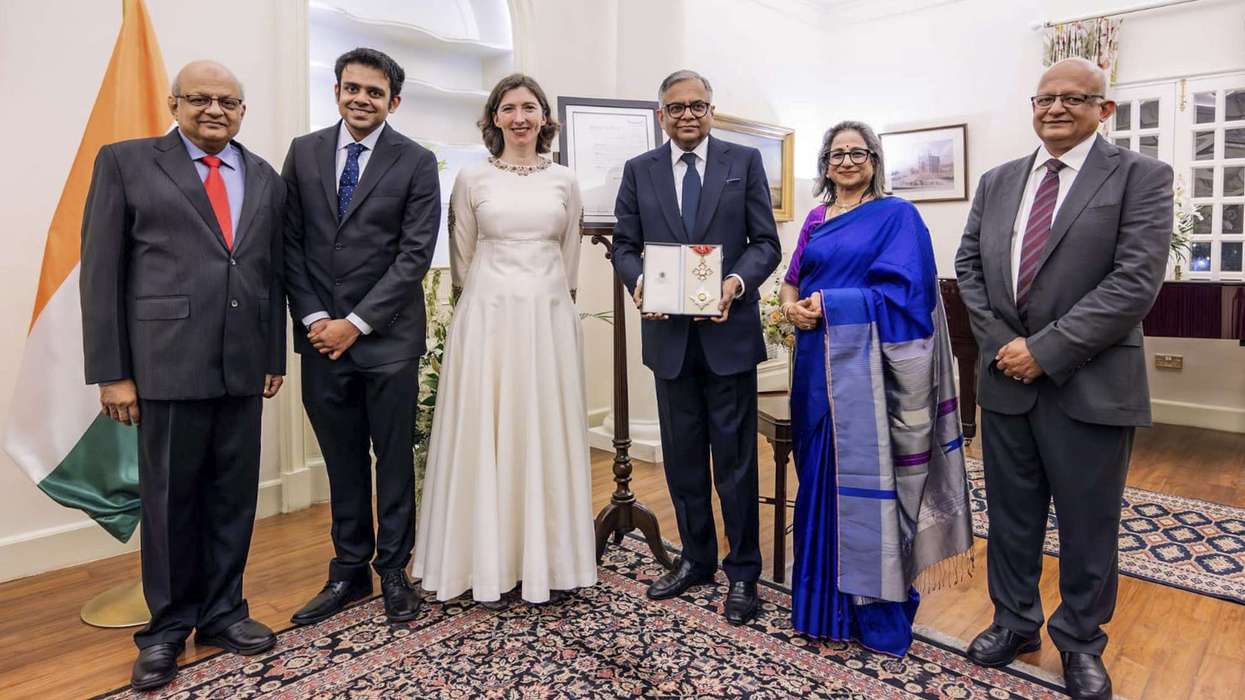
We have had a Hindu prime minister read from the Bible at the coronation of the King, and lighting Diwali candles in Downing Street. This symbolic exchange of faithful civilities appeared to have captured a consensus. Those of all faiths and none - Sir Keir Starmer is a rare openly atheist prime minister - can certainly all reach the top of British public life.
Most have been willing to actively champion both the freedom of religious expression, and the right to believe and not believe, as reflecting a British value and practice of mutual respect.
Has that consensus broken down? Vocal Jewish and Christian defences of the Open Iftar sought to protect it. Timothy was loudly backed by Reform UK - on the grounds that Christianity must be privileged. Reform’s Daniel Kruger even declared the public prayer in Trafalgar Square “incompatible with the constitution” - an unwritten rule he has inferred from the Established Church, despite the lawful gathering being organised with permission. Kruger could just about tolerate “small groups of Hindus or Buddhists or Muslims” praying there, though saw these numbers as “an abuse of liberalism”, seeing the growth of Islam as an inherent threat.
Conservative leader Kemi Badenoch rejected Starmer’s challenge to disavow Timothy’s intervention, expressing discomfort at men and women praying separately. The Conservatives were split and often sceptical about Timothy’s freelance intervention. Former West Midlands mayor Andy Street said the visibility of iftars was what made them work as moments of connection. Shadow communities secretary James Cleverly did not agree with his colleague’s characterisation of the prayer, while defending Timothy’s right to express a view.
Timothy’s intervention reflects a desire to challenge the non-statutory definition of anti-Muslim hostility. He may welcome that 30 MPs and peers sought, unsuccessfully, to ask the Parliamentary Commissioner for Standards to intervene.
Those London Conservatives hoping to persuade Cleverly to be their mayoral candidate next time fear a new high-profile controversy - on the eve of Eid - may reinforce the reputational risks of the campaigns of Zac Goldsmith in 2016 and Susan Hall in 2024, when seeking the trust to govern in the capital.
In polarised times, faith and even flags feel like they may be on the ballot paper at the next general election. These may sometimes reflect public arguments that we need to have in a contested democratic society, but it will put those across all faiths and none seeking to bridge our divides under more pressure.