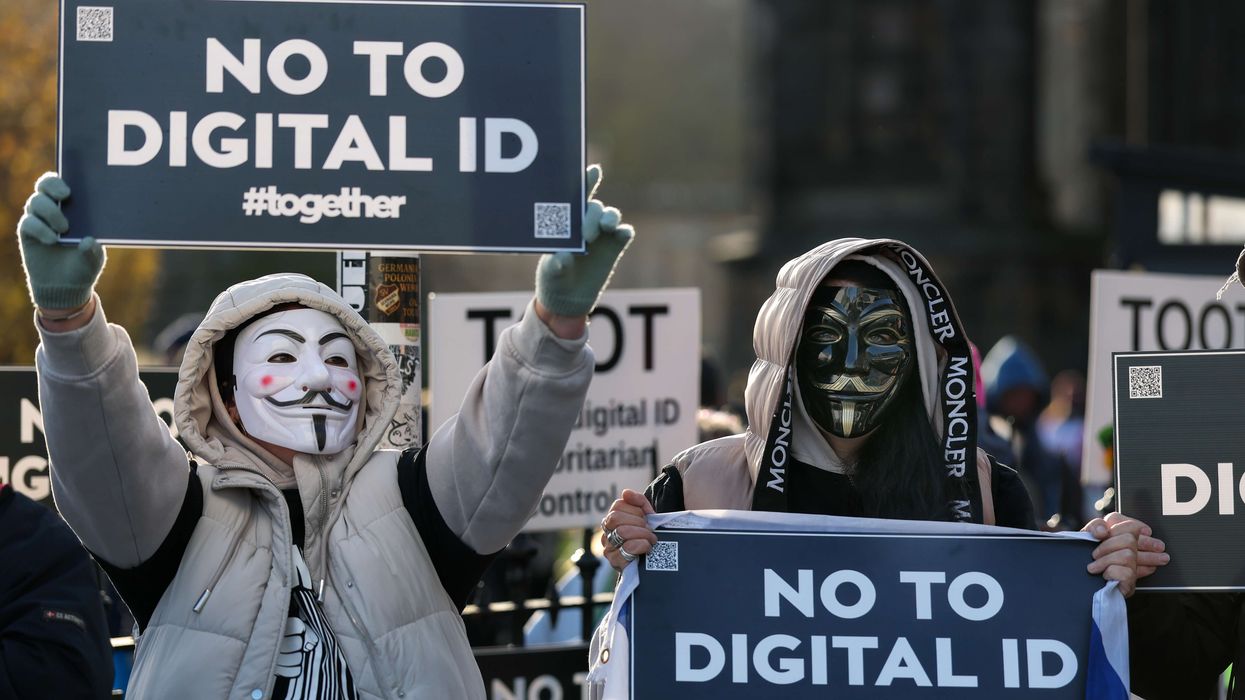

THE UK government is set to drop plans to make it mandatory for workers to hold a digital identity document, according to reports on Tuesday, in what could be another policy U-turn by the Labour government.
Prime minister Keir Starmer announced in September last year that every employee would be required to have a digital ID as part of efforts to tackle illegal migration and reduce the threat posed by the Reform UK party.
Under the plan, the digital ID would be stored on mobile phones and would become a mandatory part of the checks employers must carry out when hiring staff.
The proposal drew criticism from political opponents. Some said it would not deter illegal migration, while others warned it could infringe on civil liberties.
The Times reported that the government abandoned the plan over concerns it could undermine public trust in the scheme. The newspaper said that when digital IDs are introduced in 2029, they will be optional rather than mandatory.
Other forms of documentation, including electronic visas or passports, would still be accepted, the report said.
“We are committed to mandatory digital right to work checks,” a government spokesperson said. “We have always been clear that details on the digital ID scheme will be set out following a full public consultation, which will launch shortly.”
The spokesperson said current checks rely on a “hodgepodge” of paper-based systems and that there is no record of whether checks were ever carried out, leaving the system open to fraud and abuse.
Dropping plans for a mandatory digital ID would mark another policy climbdown for Starmer.
In December, the government scaled back a plan to raise more tax from farmers. This followed earlier reversals on cuts to welfare spending and a scaling back of proposals to reduce subsidies on energy bills for the elderly.