
- Average asking prices slipped by just £12 to £368,019.
- Supply has reached its highest level for this time of year in more than a decade.
- Higher transaction costs continue to weigh on overseas buyers.
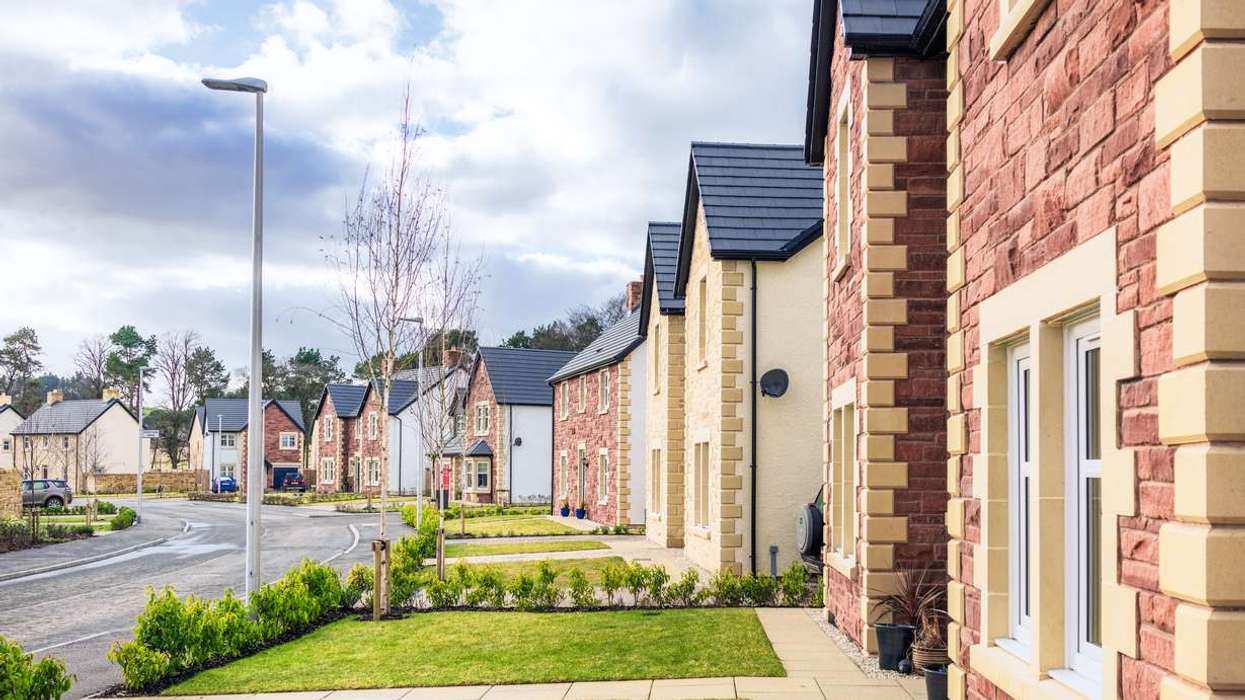
UK house prices appeared to take a pause in February, with new data suggesting the property market may be entering a more stable phase after a strong start to the year. According to Rightmove, asking prices — often seen as an early signal of market direction — were broadly unchanged, hinting that sellers may be holding steady while buyers regain some negotiating power.
The average asking price of a newly listed home dipped by just £12 to £368,019, a marginal move that still leaves prices higher than at the end of last year. Despite the standstill, the platform said January recorded the strongest start to a year for asking prices since 2020, reportedly noting the earlier surge continues to shape overall trends, as quoted in a news report.
Analysts suggest the pause comes as supply increases and demand softens slightly, creating what could be a short window of stability for both domestic and international buyers.
More choice shifts the balance
More homeowners appear to be putting properties on the market, pushing the number of homes for sale to its highest level for this time of year in over a decade. Rightmove reportedly said the number of homes available is at an 11-year high, giving buyers more choice and greater negotiating power, as quoted in a news report.
Mortgage rates easing from last year’s peaks have also helped shift the balance slightly towards buyers. Wage growth has outpaced property price rises over the past three years, improving affordability in relative terms and potentially making 2026 a more favourable year to buy, the report suggested.
Competition among sellers remains intense, however. The platform reportedly said competition is still at an eleven-year high while buying activity is lower than at the same point in 2025, as quoted in a news report. That slowdown follows a particularly busy period early last year when buyers rushed to complete purchases ahead of stamp duty changes.
Stability comes with hidden costs
While steady prices may appear encouraging, the overall cost of buying — particularly for overseas investors — remains shaped by taxes and financing hurdles as much as by the headline price.
Non-resident buyers in England face additional stamp duty surcharges, and those who already own property elsewhere may also pay higher-rate charges. Stamp duty is paid shortly after completion, meaning buyers need cash upfront alongside deposits and legal fees, which can significantly raise the total cost of a purchase.
Overseas buyers often encounter stricter lending criteria, higher deposit requirements and fewer mortgage options. Currency fluctuations add another layer of uncertainty, especially for euro-based investors.
For instance, a European buyer purchasing a £400,000 property as an investment could face a much higher overall bill than a domestic first-time buyer once surcharges, legal fees and currency costs are included. This can erode much of the perceived advantage of stable asking prices.
Rightmove reportedly said sellers appear to be taking a cautious approach by holding onto gains made earlier in the year rather than pushing prices higher in a market that remains sensitive to affordability pressures, as quoted in a news report.
For domestic buyers, the mix of higher supply, steadier prices and improving borrowing conditions may offer more opportunities than in recent years. For overseas investors, however, the true cost of entry still appears closely tied to taxes and financing constraints rather than price trends alone.