
The British government is looking at bringing in the military to help keep public services running if key workers, including in the state-run NHS, take strike action, the chairman of the governing Conservative Party said on Sunday (4).
Britain is already grappling with industrial action in a range of sectors, but now faces strikes by thousands of nurses in England and ambulance workers in England and Wales who plan to walk out later this month over pay and conditions.
The government has repeatedly called on workers to halt strike action, saying it could not afford pay rises to cover inflation and that, even if it could meet their demands, such increases would further fuel inflation.
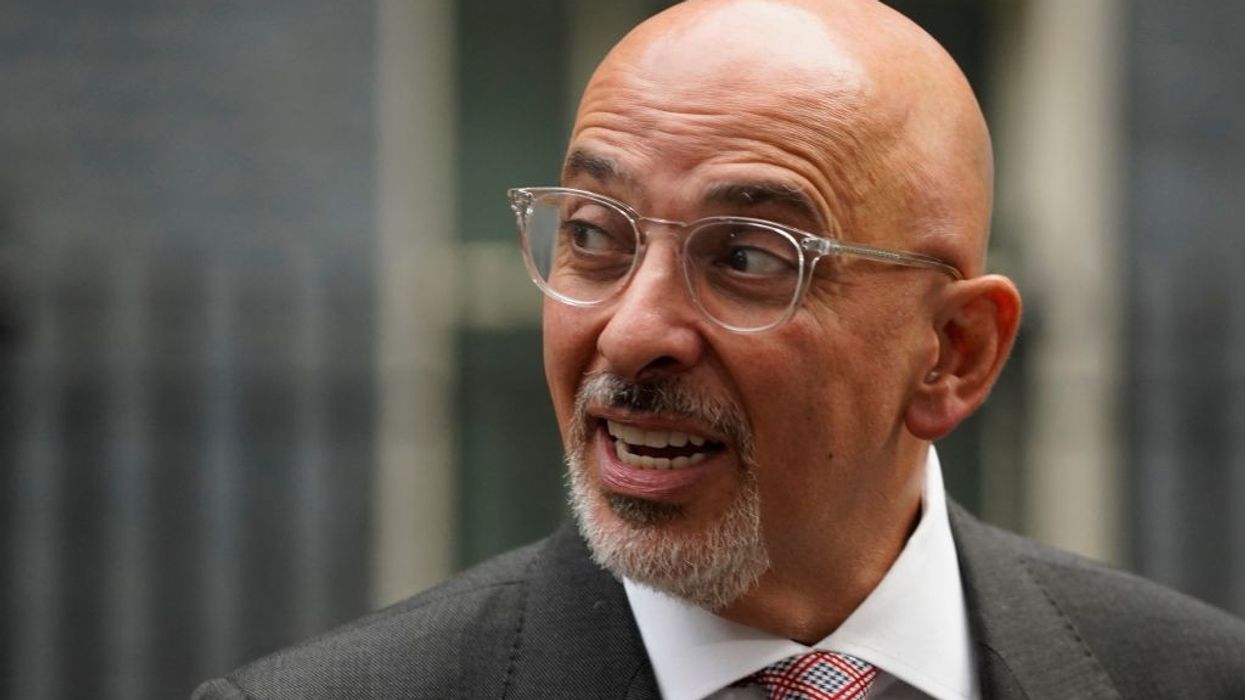
"Our message to the unions is to say 'this is not a time to strike, this is a time to try and negotiate'. But in the absence of that, it is important for the government... to have contingency plans in place," Nadhim Zahawi told Sky News.
"We're looking at the military, we're looking at a specialist response force... a surge capacity," he said, adding that the military could be brought in to drive ambulances.
Prime Minister Rishi Sunak, in power for just over a month, faces a raft of problems, including what could prove to be a lengthy recession in the run-up to an election that opinion polls suggest the Conservatives will lose.
The Sunday Times newspaper reported that Sunak could revive plans to curb the right to strike for public sector workers, including NHS staff, teachers and firefighters, while the Sunday Telegraph said pharmacists could be drafted in to help patients if health workers strike later this month.
Zahawi again blamed Russian President Vladimir Putin's invasion of Ukraine for fuelling energy price rises and inflation, calling on public sector workers to "come together".
"There is a minimum safety level of delivery in place already, but the NHS will look at all contingency planning," he said.
(Reuters)