
Highlights
- Beef price inflation hits 27 per cent while pork remains fraction of the cost at £20/kg vs £80/kg.
- Waitrose reports 16 per cent rise in pork mince sales as families adapt recipes.
- Chicken and pork mince volumes surge 65.6 per cent and 36.6 per cent respectively as cheaper protein alternatives.
The cost difference is substantial. Pork fillet costs approximately £20 per kilogram, while beef sells for £80 per kilogram or more, according to Matthew Penfold, senior buyer at Waitrose. He describes pork as making a "massive comeback but in a premium way".
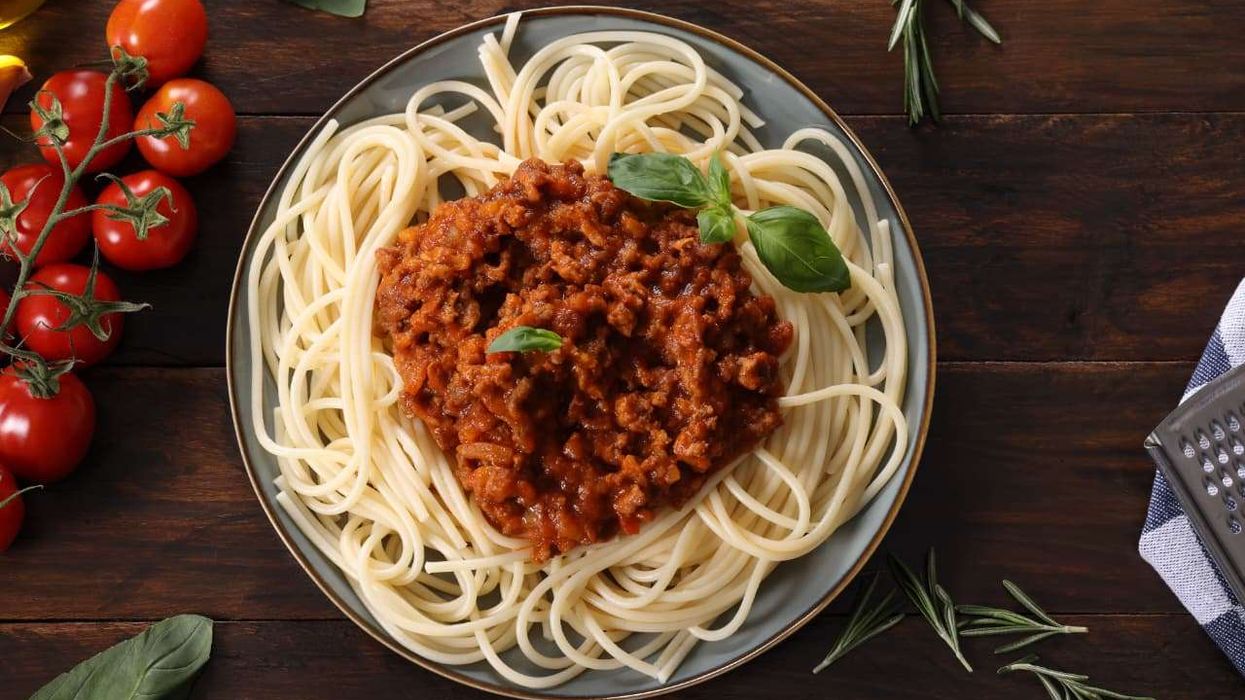
The supermarket has recorded notable changes in shopping patterns, with recipe searches for "lasagne with pork mince" doubling on its website and "pulled pork nachos" searches rising 45 per cent. Sales of pork mince have increased 16 per cent compared to last year as home cooks modify family favourites.
Cost consciousness is also driving a baked potato renaissance, with Waitrose reporting sales of large potatoes up by more than a third. However, traditional toppings like beans and cheese are being replaced by trendy alternatives including kimchi and chicken shawarma with tahini.
Data from the Agriculture and Horticulture Development Board (AHDB) reinforces the broader shift. In the 12 weeks to November (2) the average price for a kilogram of beef mince rose 37 per cent year-on-year, while the quantity sold fell nearly 11per cent.
Consumer adaptations rise
Consumers are adjusting their shopping strategies by purchasing smaller 250g packs, which save an average of £1.77 compared to 500g packs, and opting for frozen alternatives.
The AHDB noted that consumers are seeking cheaper proteins such as chicken, pork sausages and fish. Pork mince sales volumes surged 36.6 per cent year-on-year, and chicken mince increased by 65.6 per cent.
Katharina Erfort from supply chain experts Inverto explained the pricing disparity, "Pigs need far less feed than cattle – around four times less for every kilo of meat". Additionally, pigs require less space and reach full size in approximately six months.
Higher feed and labour costs, combined with reduced beef cattle raising in the UK, have impacted overall supply, contributing to the sustained price increases reshaping British shopping habits.