
- Government reviewing EV sales quotas under ZEV mandate
- UK car production drops sharply, raising industry concerns
- Debate grows over pace of transition to electric vehicles
The UK government is taking a second look at its electric vehicle targets, with ministers reviewing the zero emission vehicle (ZEV) mandate — one of its key net zero policies.
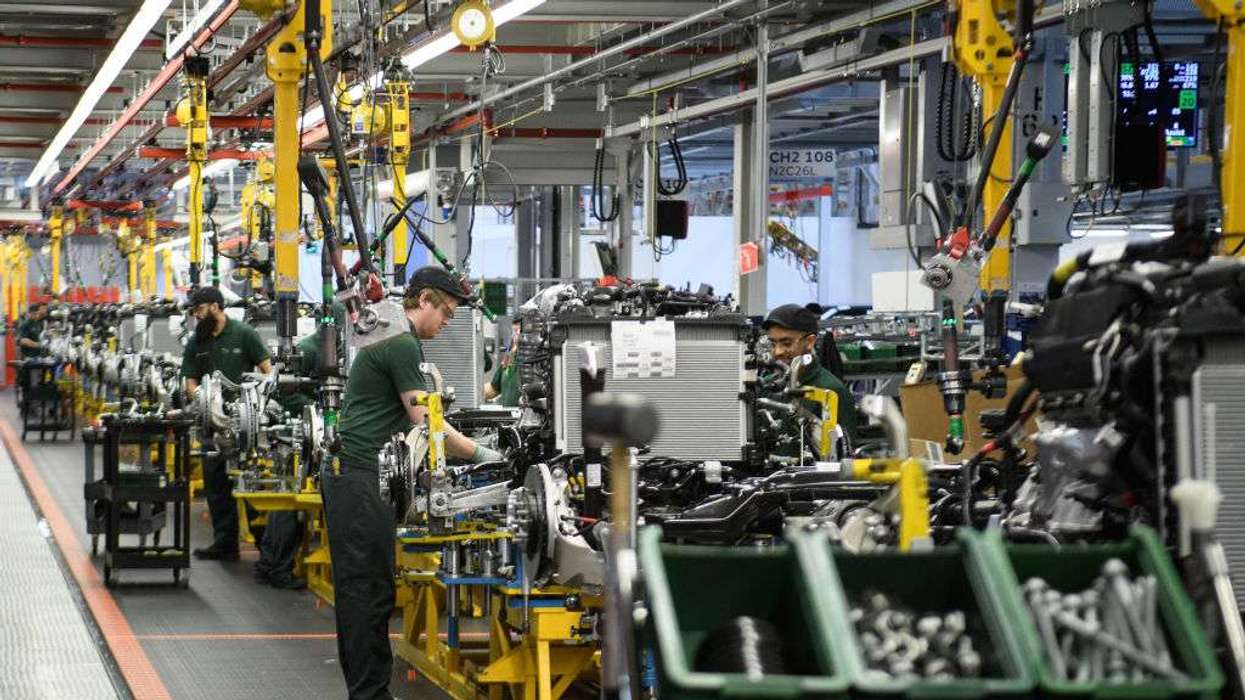
The move comes at a time when UK car production has fallen to its lowest level since 1952, raising concerns about how realistic current targets are for manufacturers. The review could potentially lead to changes in annual EV sales quotas, although no final decision has been made.
Introduced after Labour came to power in 2024, the policy requires carmakers to sell a rising share of zero-emission vehicles each year, with the broader aim of ending new petrol and diesel car sales by 2030. Targets are set to increase steadily, from 22 per cent in 2024 to 28 per cent in 2025 and 33 per cent in 2026, before reaching 100 per cent by 2035.
Pressure builds as production slows
The review appears to be driven by mounting pressure from the automotive sector. Recent figures show car production fell by 17 per cent in February compared with the same period in 2025.
Even output of electric and hybrid vehicles has dipped slightly, falling 3 per cent to 26,629 units — suggesting the slowdown is not limited to traditional petrol and diesel models.
Despite this, the government maintains that progress is being made. A spokesperson said the system remains flexible and discussions are underway as part of a planned review expected by early 2027. They added that electric vehicles are becoming more affordable and that one in four new cars sold last year was zero emission, as quoted in a news report.
Political divide over the pace of change
The review has also sparked political debate. Critics argue that the policy is placing too much strain on manufacturers and consumers, particularly at a time of economic uncertainty.
Richard Holden said the government should rethink its approach, reportedly calling for a shift towards innovation and consumer choice rather than strict targets.
The policy itself has been closely associated with Ed Miliband, making any changes politically sensitive, especially if they are seen as a step back from net zero commitments.
At the same time, the government remains focused on long-term ambitions, aiming to increase UK vehicle production to 1.3 million units a year by 2035 — nearly double current levels.
For now, the outcome of the review remains uncertain. But with production slowing and targets tightening, the balance between environmental goals and industrial reality is becoming harder to manage.