
- Energy bills forecast to rise to £1,972 from July.
- Gas prices surge after Middle East supply disruption.
- Petrol, diesel and mortgage costs also climbing.
Household energy bills in Great Britain could rise sharply from July, with forecasts suggesting the average annual cost may climb to £1,972 as the Iran conflict continues to disrupt global energy markets.
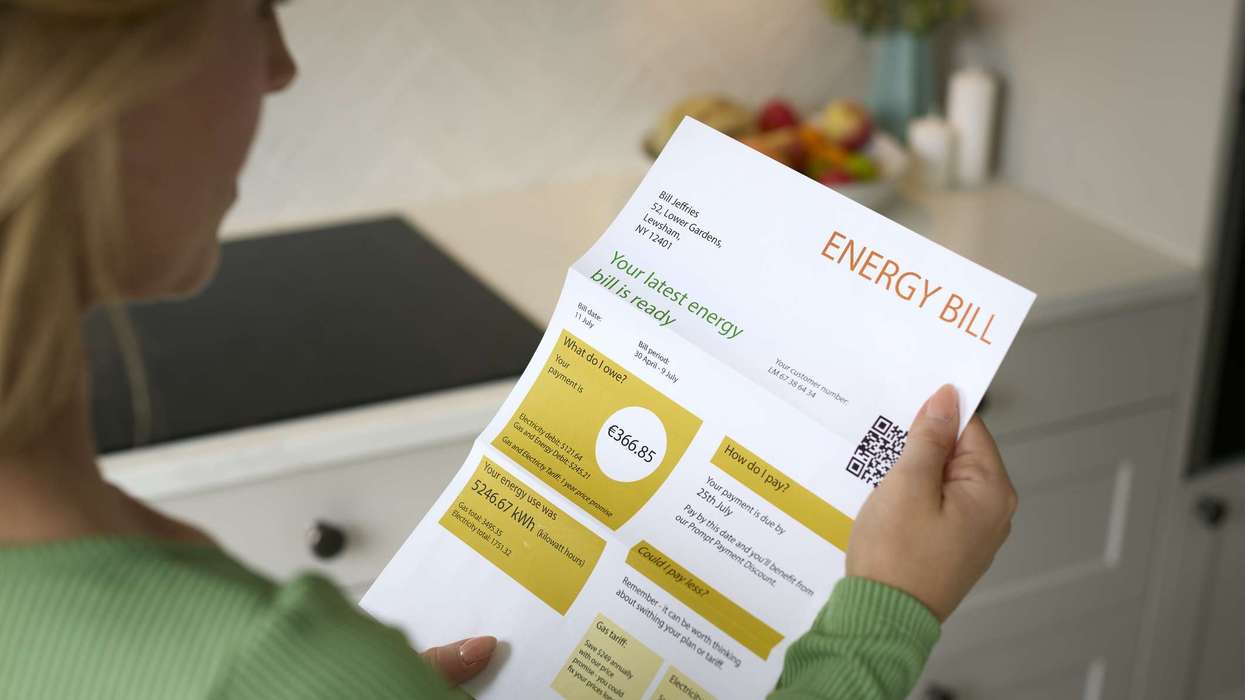
New estimates from Cornwall Insight indicate a potential increase of more than £330 a year compared with current levels under the UK energy price cap. The rise in energy bills follows a spike in gas prices, driven by escalating tensions in the Middle East and concerns over supply disruptions.
The forecast has moved quickly. Just two weeks earlier, analysts had predicted bills could reach around £1,800. The latest revision reflects how rapidly global energy markets have reacted to the ongoing conflict.
Gas shocks ripple through household bills
The projected increase is linked to a sharp rise in European gas prices. Markets surged after reports of damage to key infrastructure in the Gulf, including facilities linked to liquefied natural gas exports.
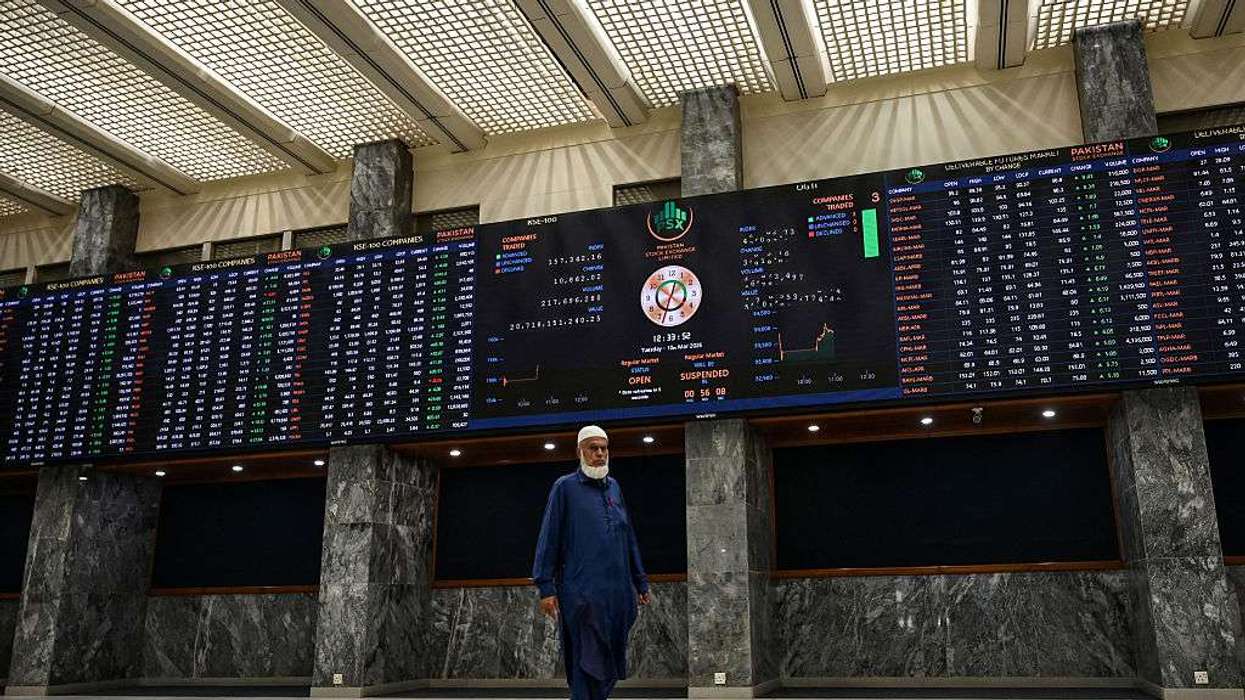
Gas prices in Europe jumped by about 30 per cent at one stage, with supply routes through the Strait of Hormuz also affected. Although prices eased slightly later, they remain roughly double the levels seen before the conflict began.
For the UK, wholesale gas prices for next month settled around 153p per therm, down from a peak of 180p, but still significantly elevated.
This feeds directly into household bills, as the Ofgem price cap — which sets limits on what suppliers can charge — adjusts based on wholesale costs. The current cap for April to June stands at £1,641, but that is expected to rise when the next review takes effect from July.
Pressure builds beyond energy bills
The impact is not limited to home energy costs. Motorists are already seeing higher prices at the pump. Petrol has risen by nearly 9 per cent in recent weeks to about 144.51p per litre, while diesel is up 17 per cent at 166.24p per litre.
Global oil prices have also climbed, with Brent crude trading around £86 ($109) a barrel after briefly hitting higher levels. That remains roughly 50 per cent above prices before the conflict.
At the same time, borrowing costs are edging up. The average two-year fixed mortgage rate has increased from 4.83 per cent at the start of March to 5.35 per cent, according to Moneyfacts. For a typical £250,000 mortgage over 25 years, that could mean about £900 more a year in repayments.
If interest rates rise further, as markets expect, mortgage costs could increase by an additional £1,000 to £1,500 annually.
The International Energy Agency has suggested governments may need to consider measures to reduce energy demand if pressures continue. Proposed steps include encouraging remote working, promoting public transport and even lowering speed limits to cut fuel use.
With energy markets still reacting to geopolitical risks, the outlook for household costs remains uncertain. Much will depend on how long supply disruptions persist and whether prices stabilise in the coming months.